Fickle February....
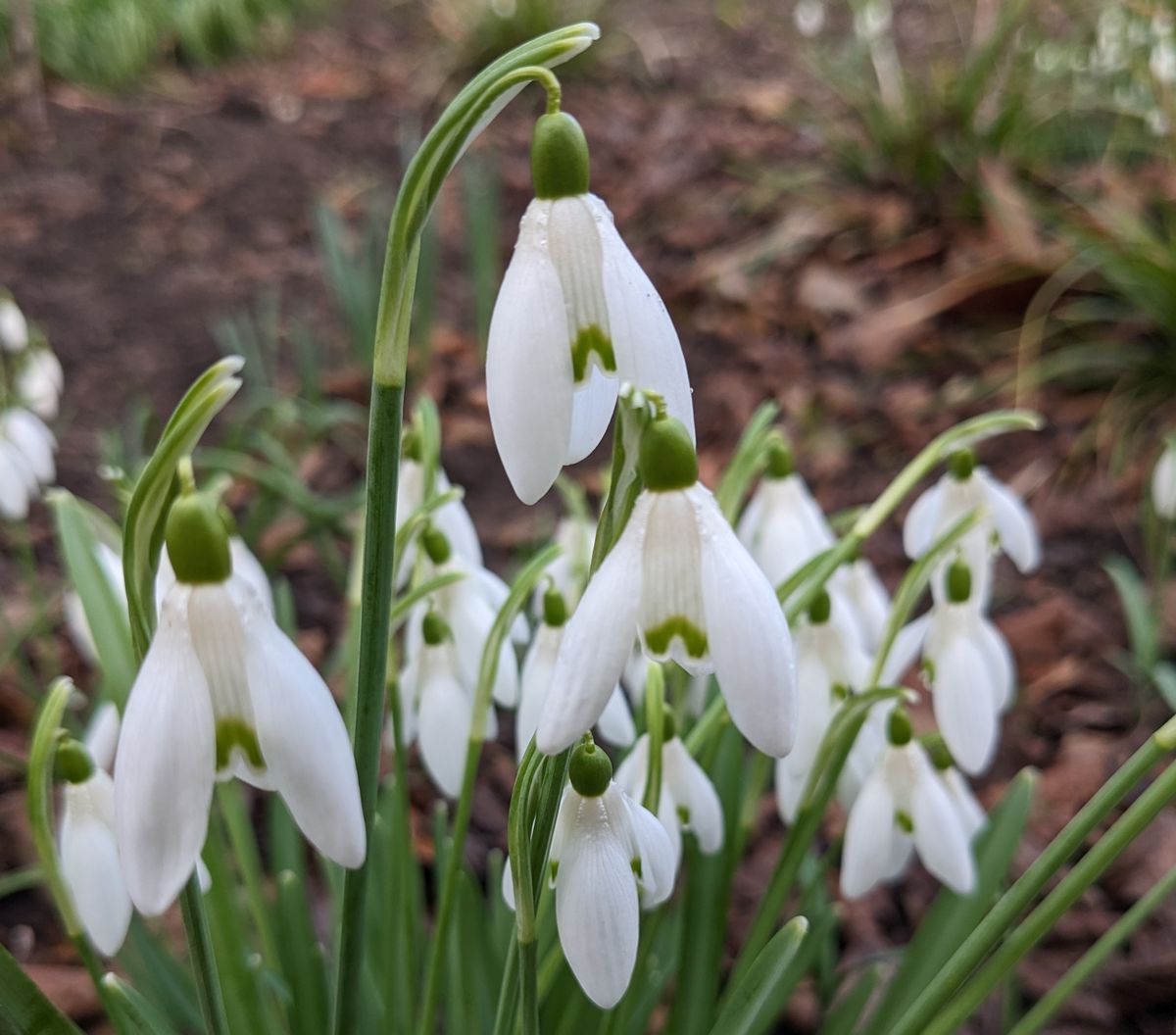
The second week of February is marked in my mental gardening diary as the most fickle week of the year. Some years it brings the sharpest frost of the winter, forcing even the sturdiest of snowdrops into submission, nose down on the cold soil. In other years a gentle southerly wind tempts me to garden in a t-shirt, albeit briefly.
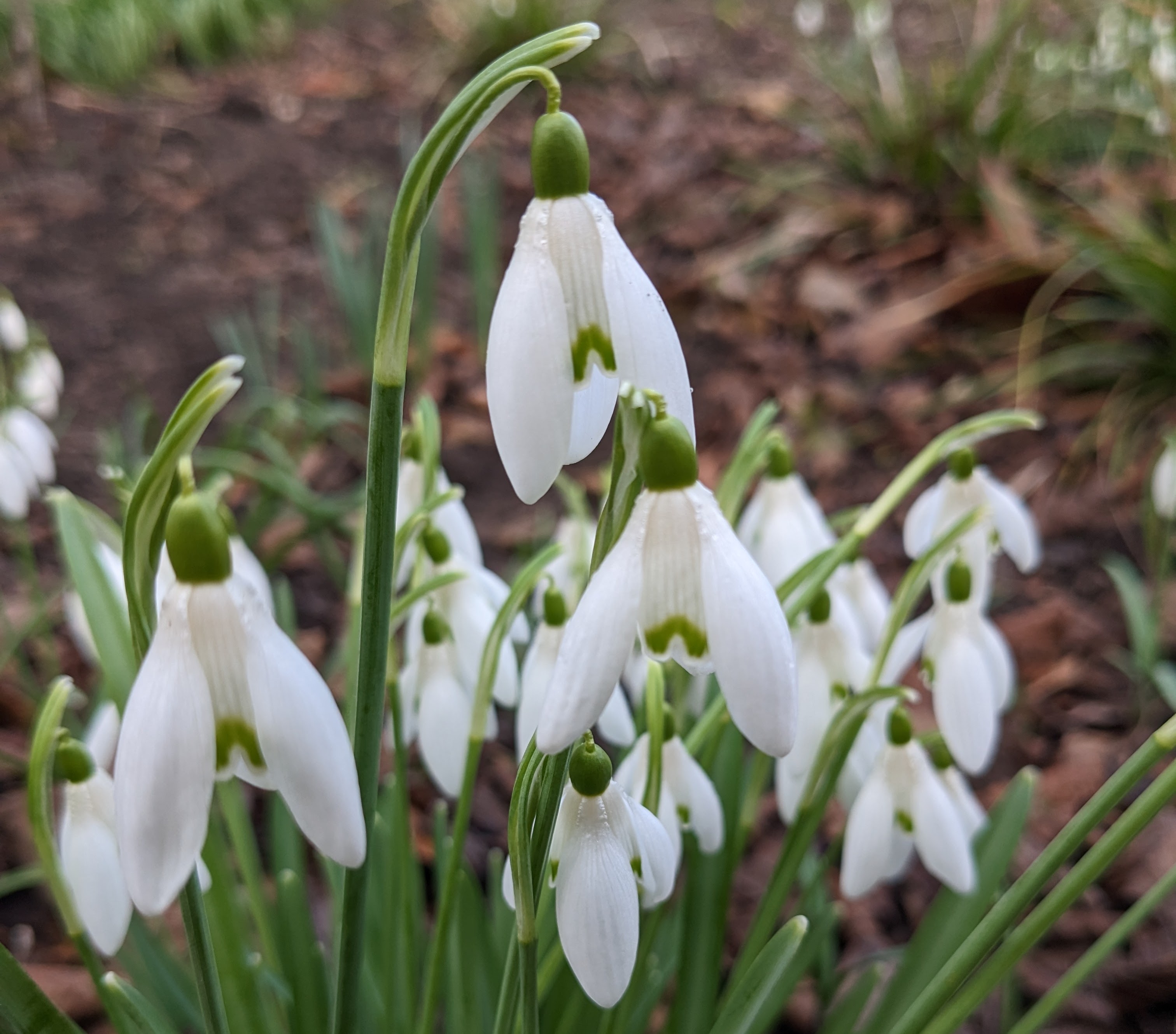
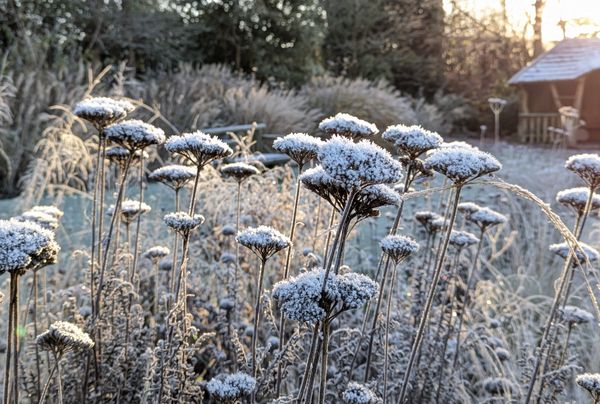
This year, we had alternating cold and heat in this predictably capricious week. Subzero overnight temperatures froze our water pipes and encrusted the lawns in frost. But by mid-morning the grass frost had vanished and the nursery irrigation system could be coaxed into spitting out little dowels of ice before running freely.
Flowers that had spent the night prostrate in the hard frost slowly picked up their heads to enjoy the weak but welcome sunshine.
With the low sun blindingly white in a cloudless sky, I peeled off my gloves and sprinted indoors to shove damp towels into the tumble dryer. This would normally be a ruinously expensive act of frivolity, but the sun, via my solar panels, offered up a couple of hours of free electric gluttony which I took full advantage of.
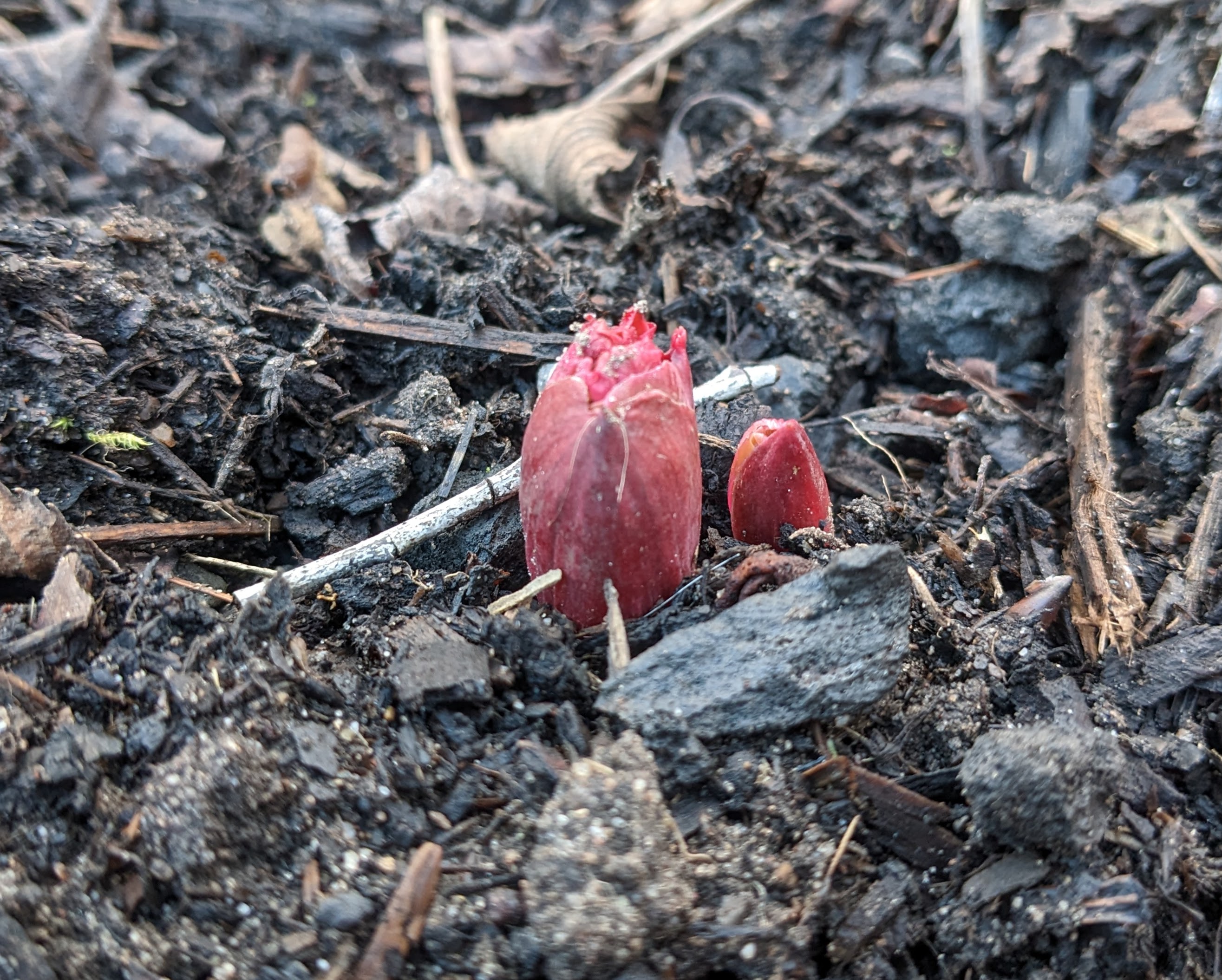
Around the entrance to the gardens and near the house, we cut back the borders completely in late autumn, leaving the soil bare. Emerging bulbs and herbaceous shoots do look smart, set off against the dark soil, and early visitors seem to appreciate the reassuring tidiness. But oh boy it’s dull. Glancing back through photos I realise that I have taken almost no pictures of these stripped borders - there is literally nothing to see.
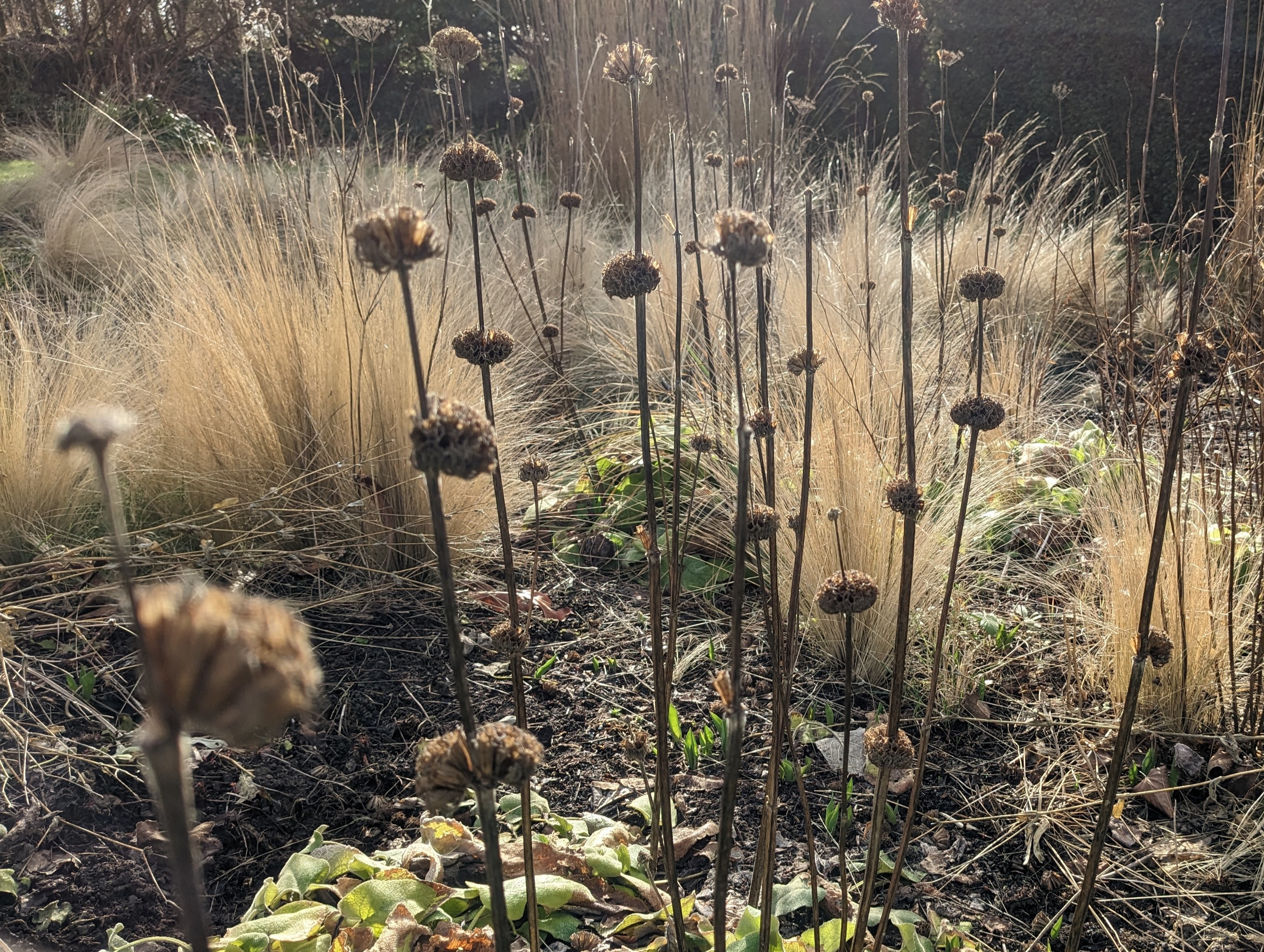
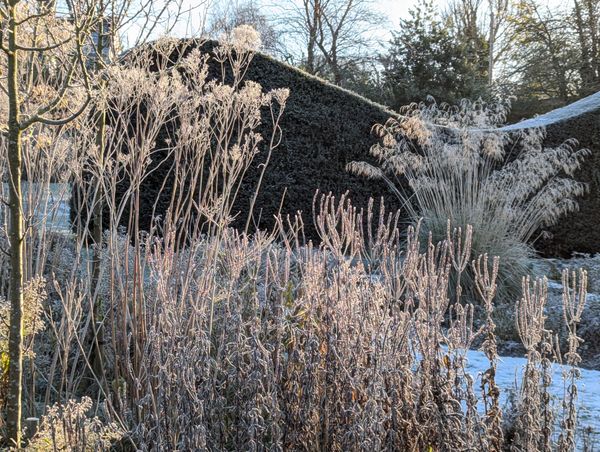
At the top of the garden the planting is much looser, with drifts of grasses and perennials that I’ve allowed to self-seed and mingle over time. Here, prim orderliness seems out of place and I leave the plants standing well into February. When we finally cut back I adopt a ‘chop and drop’ approach, shearing through the stems several times from top to bottom. I don’t plan this task ahead, I know that the task will call me when the moment is right, and this week, in the silvery February sunshine, the call came loud and clear. I took a last few pictures of the still-standing perennials and grasses and then stepped in with the shears.
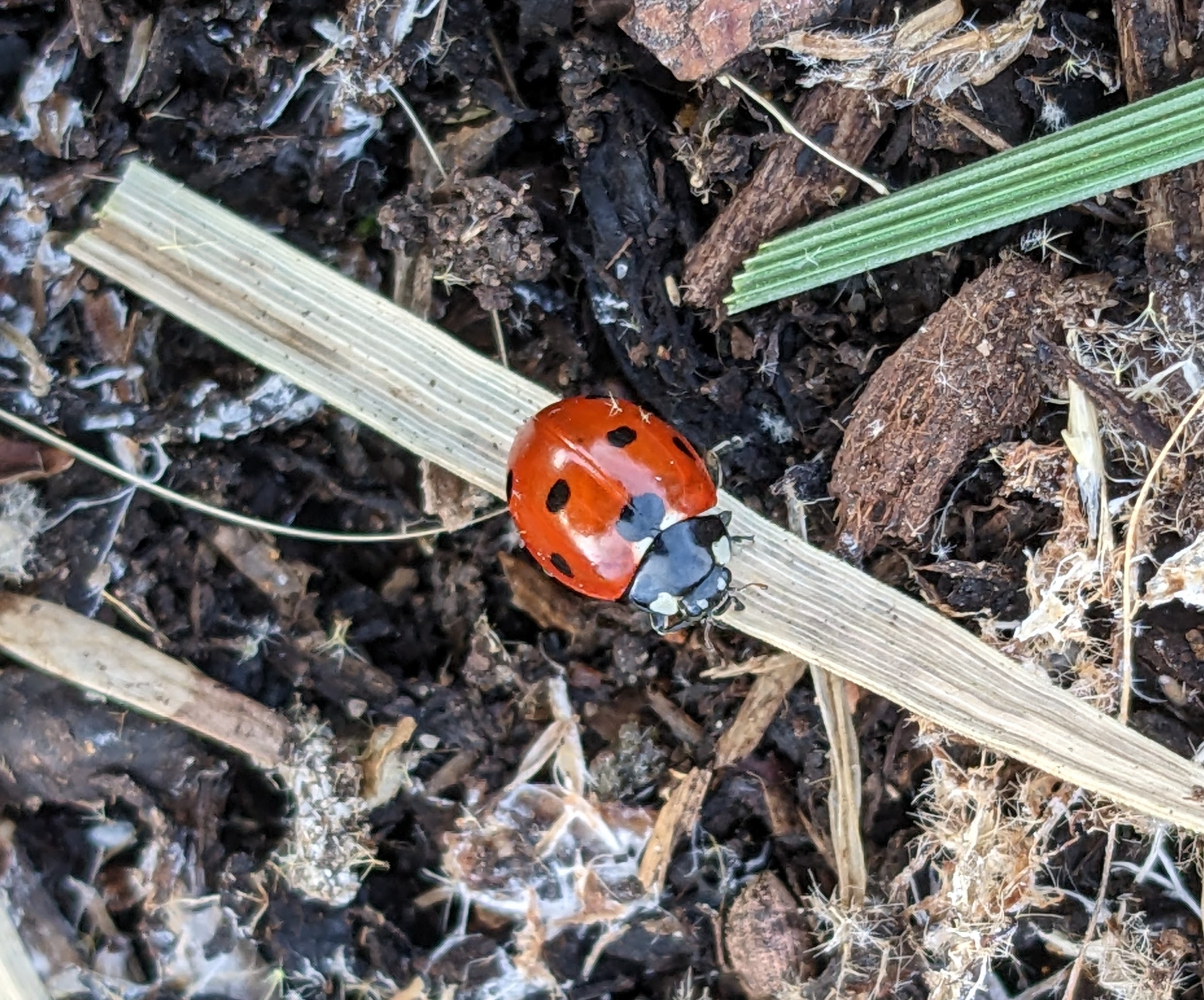
At first, it feels tempting to heap the cut-down stems into the barrow and take them away, but a glimpse of a ladybird, and then another, brings home the realisation that this is not merely dead material but a living world. Chopping up the stems and then piling them back roughly on the border seems to run counter to everything we think that ‘proper’ gardening is, but like so counter-intuitive things, it’s best thing to do, for the soil, the plants and for everything that lives amongst them.
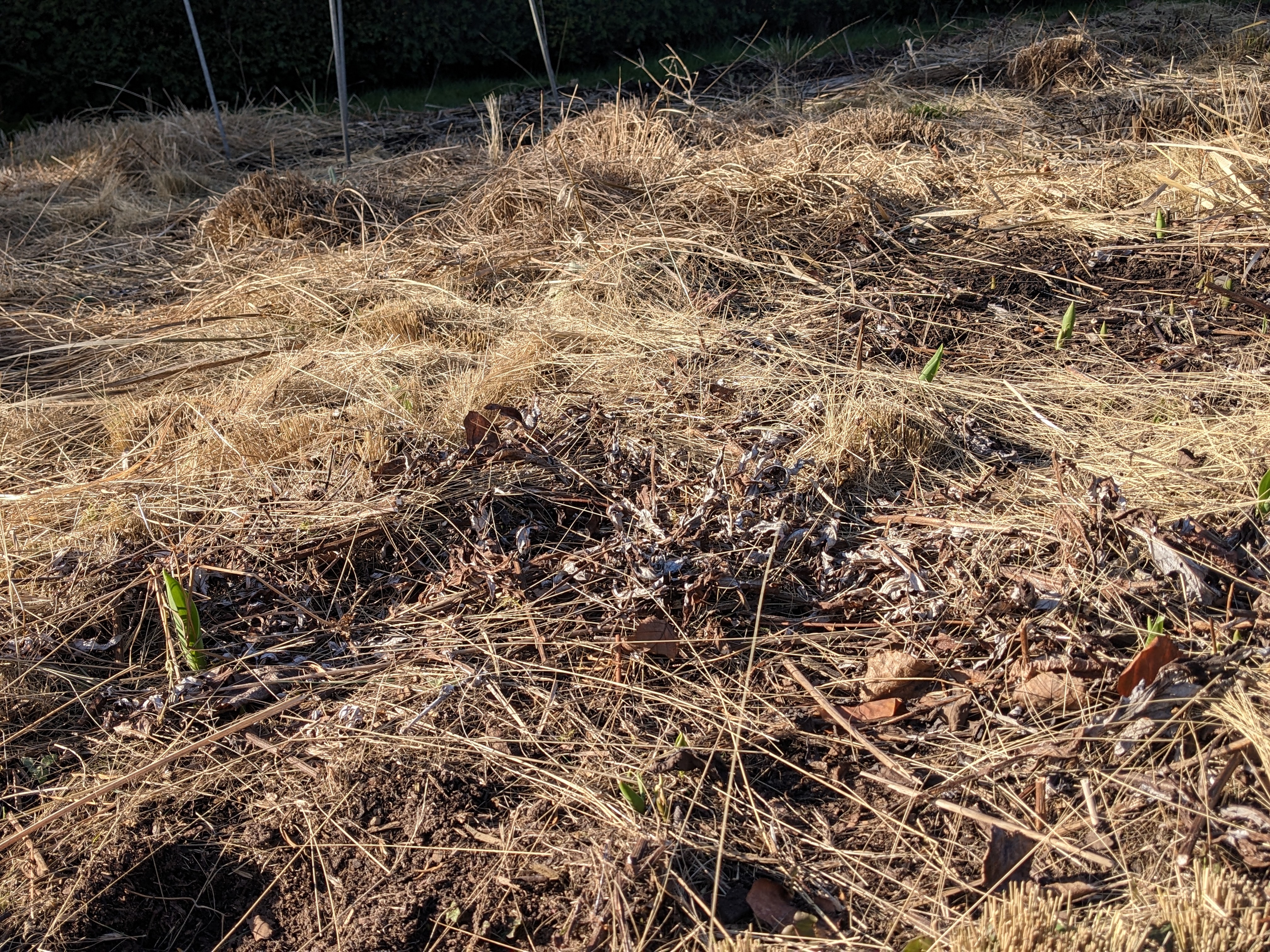
The result takes some getting used to. By any conventional standard it looks untidy, at least at first sight. But we’ve noticed that once we drop the clippings onto the soil they begin to decompose quickly as soil bacteria gets to work on the fresh material, especially as spring temperatures rise. I will leave these clippings untouched for a couple of weeks. As new growth emerges underneath I’ll scrape the clippings back to expose the fresh shoots, leaving the chopped up debris still blanketing the soil around them. We’ll mulch as usual on top of this chopped up material which will speed up decomposition even more.
Finally, just before we open to the public in early April I’ll go through the borders, remove any remaining unsightly larger pieces and tickle the mulch over to leave it looking neat.
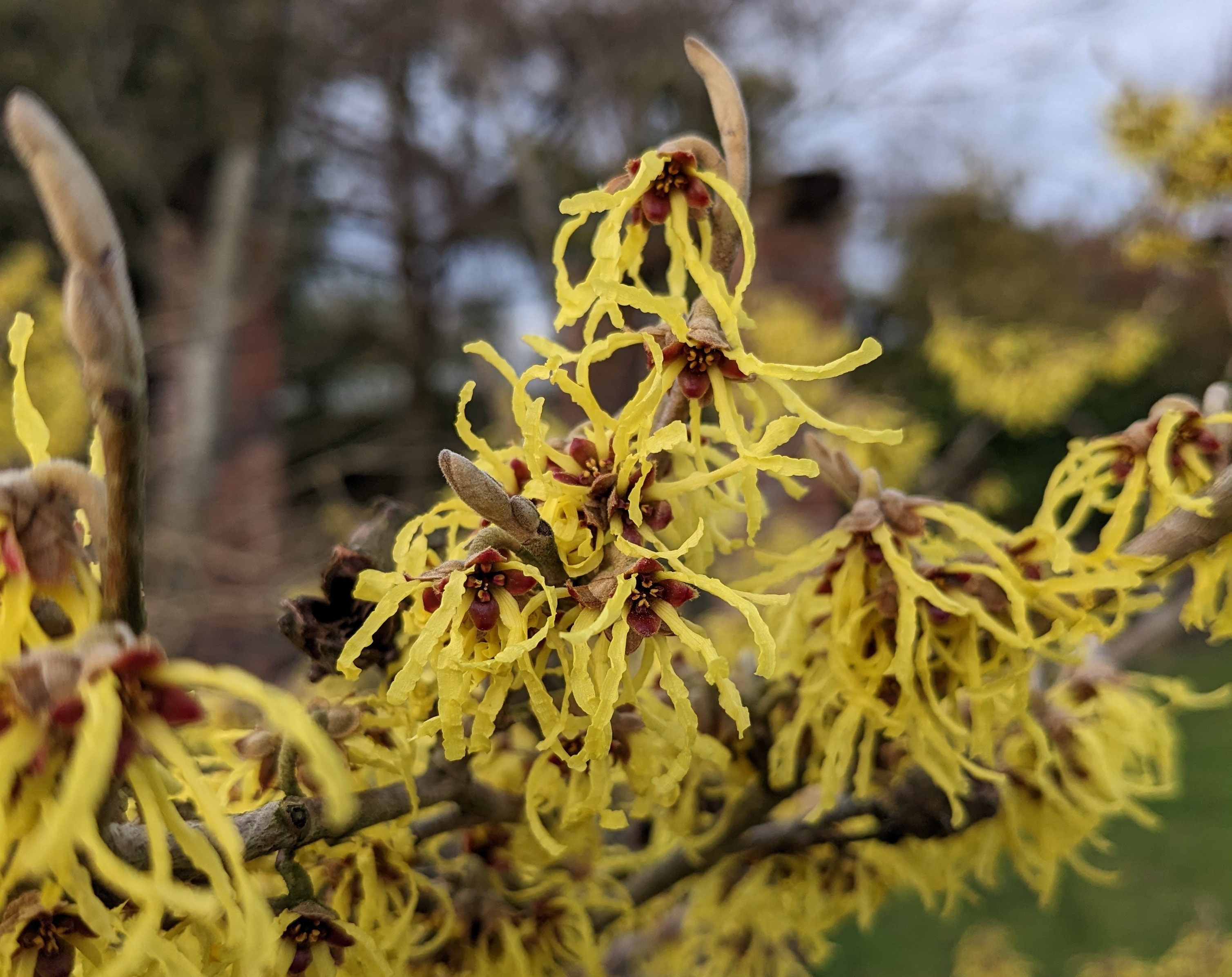
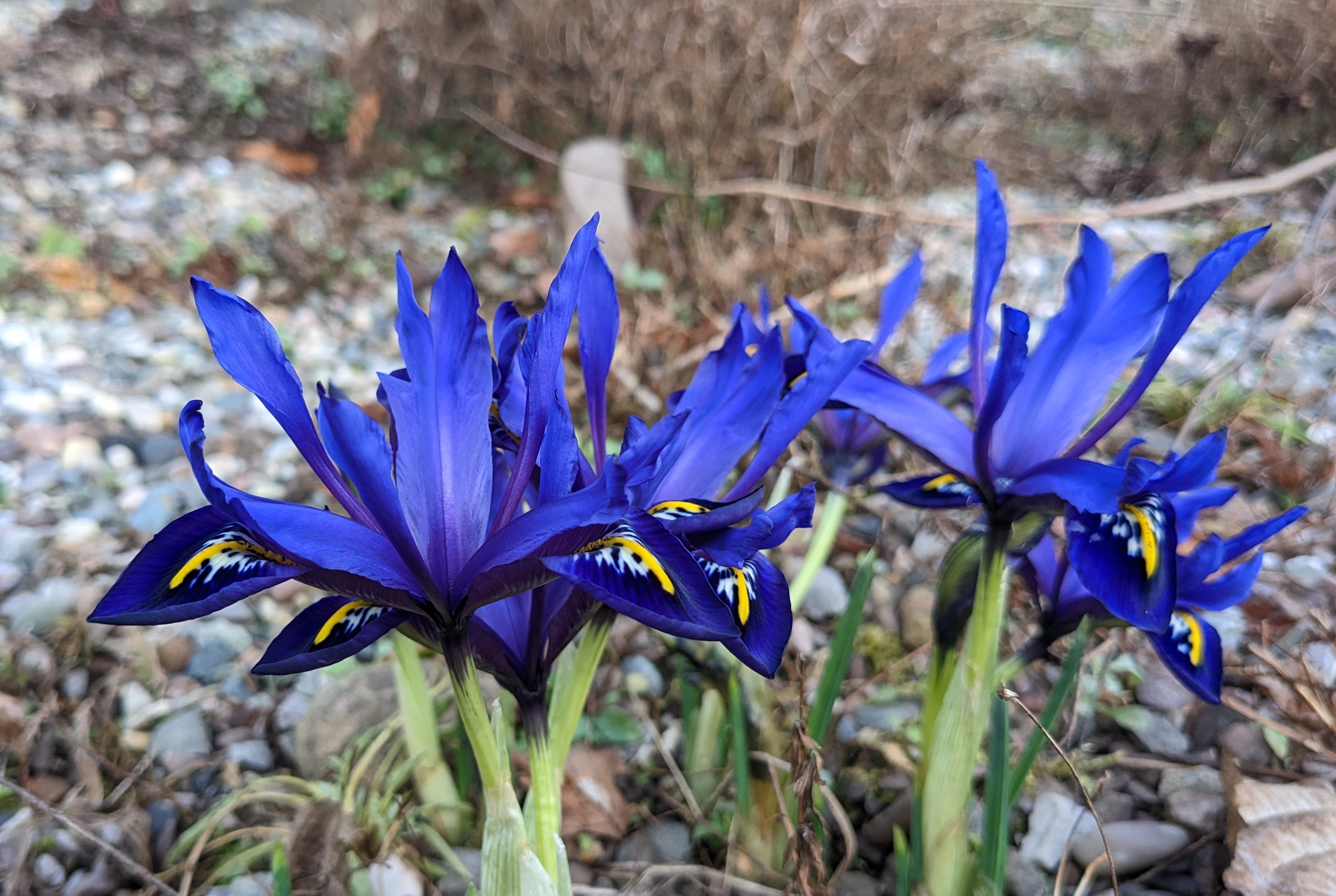
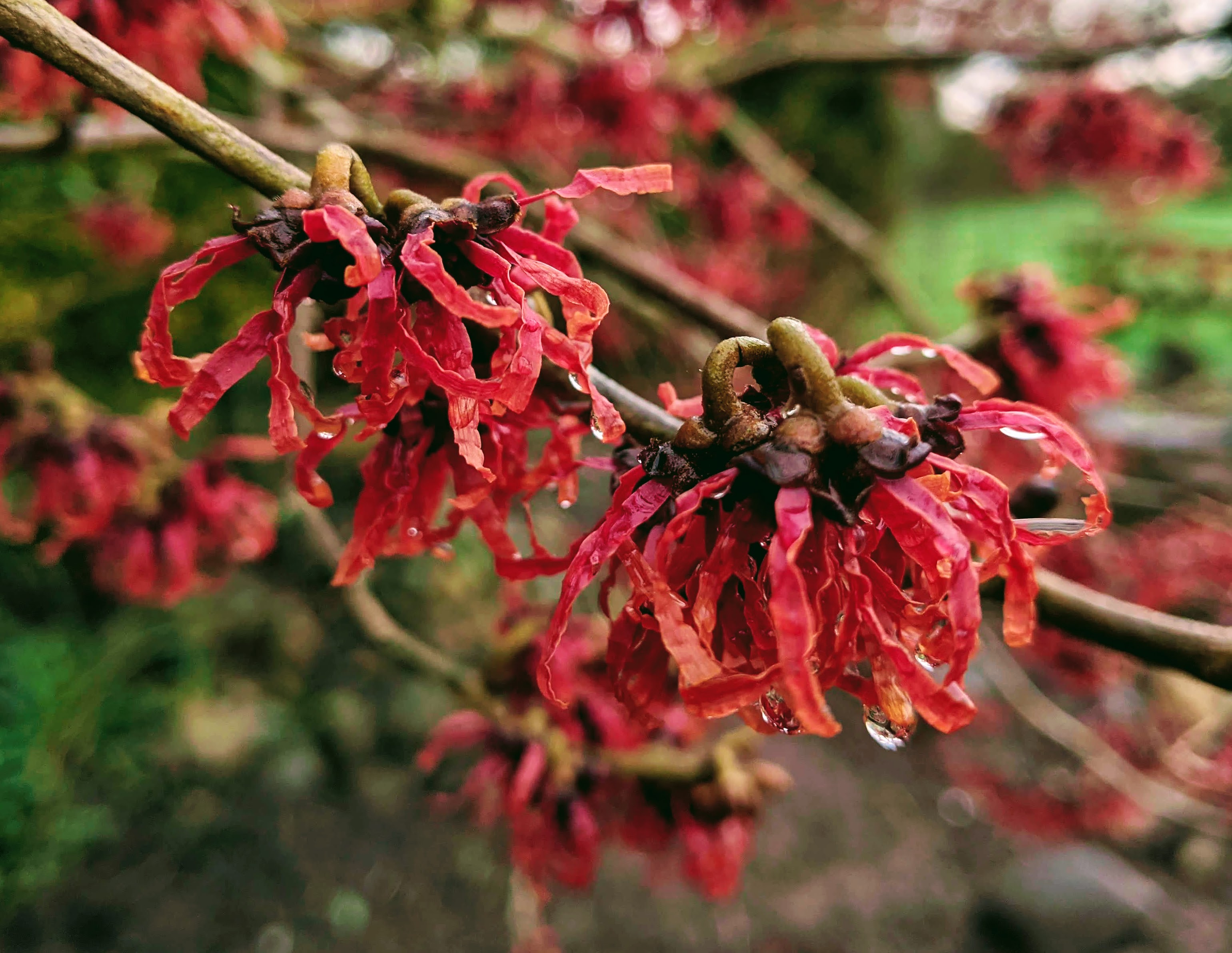
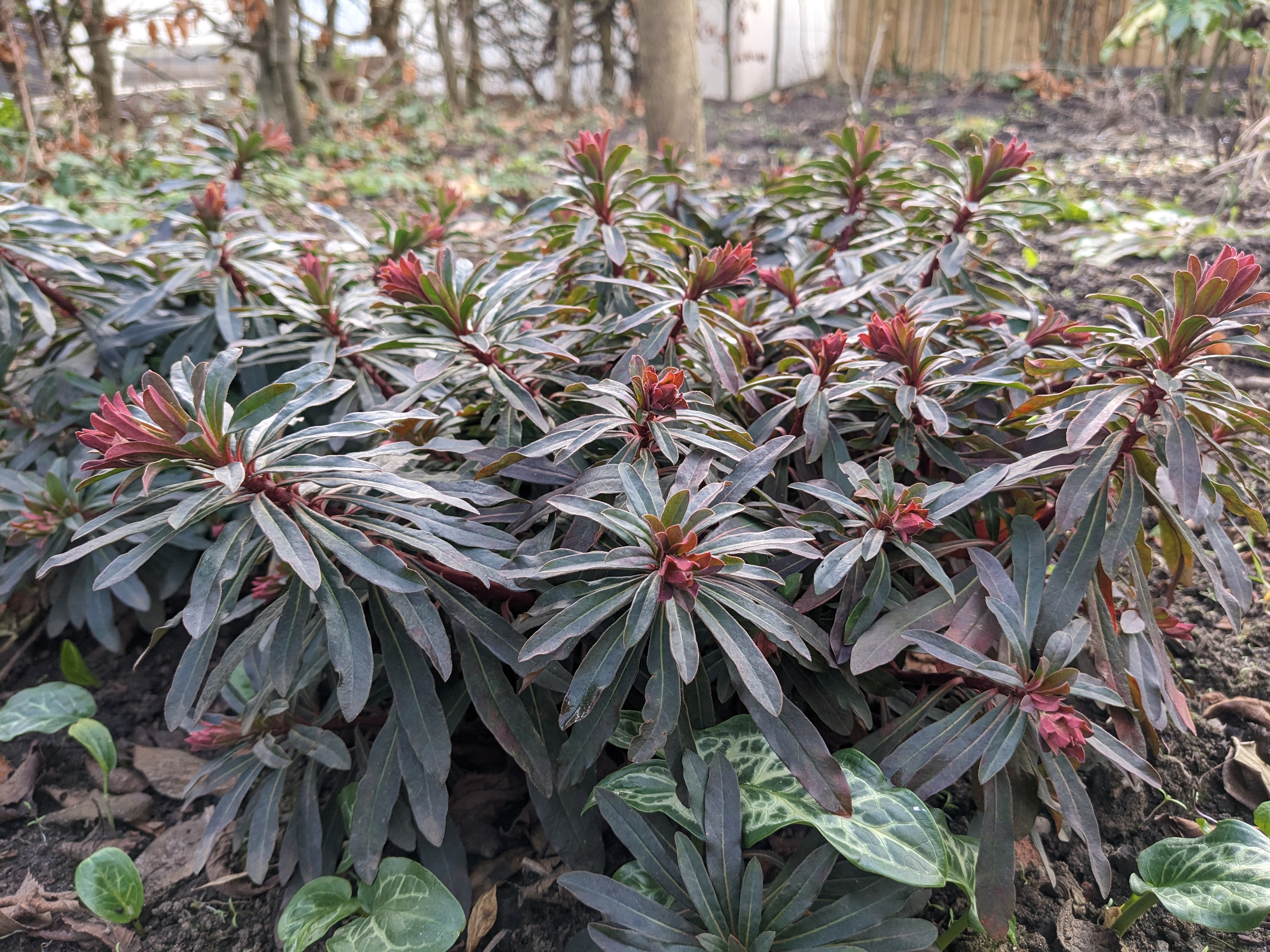
But that’s all to come. It’s easy to wish February’s fickle weather away and long for the gentle pleasure of a warm spring day. These days will come soon enough. For now I’m making a point of enjoying those plants which, seemingly miraculously, choose to flower in this challenging month. Witch hazels, Iris reticulata, bronze-leaved Euphorbias and snowdrops of course, are all at their very best right now. It would be such a shame not to enjoy them now, wouldn’t it?