Rip it up and start again...
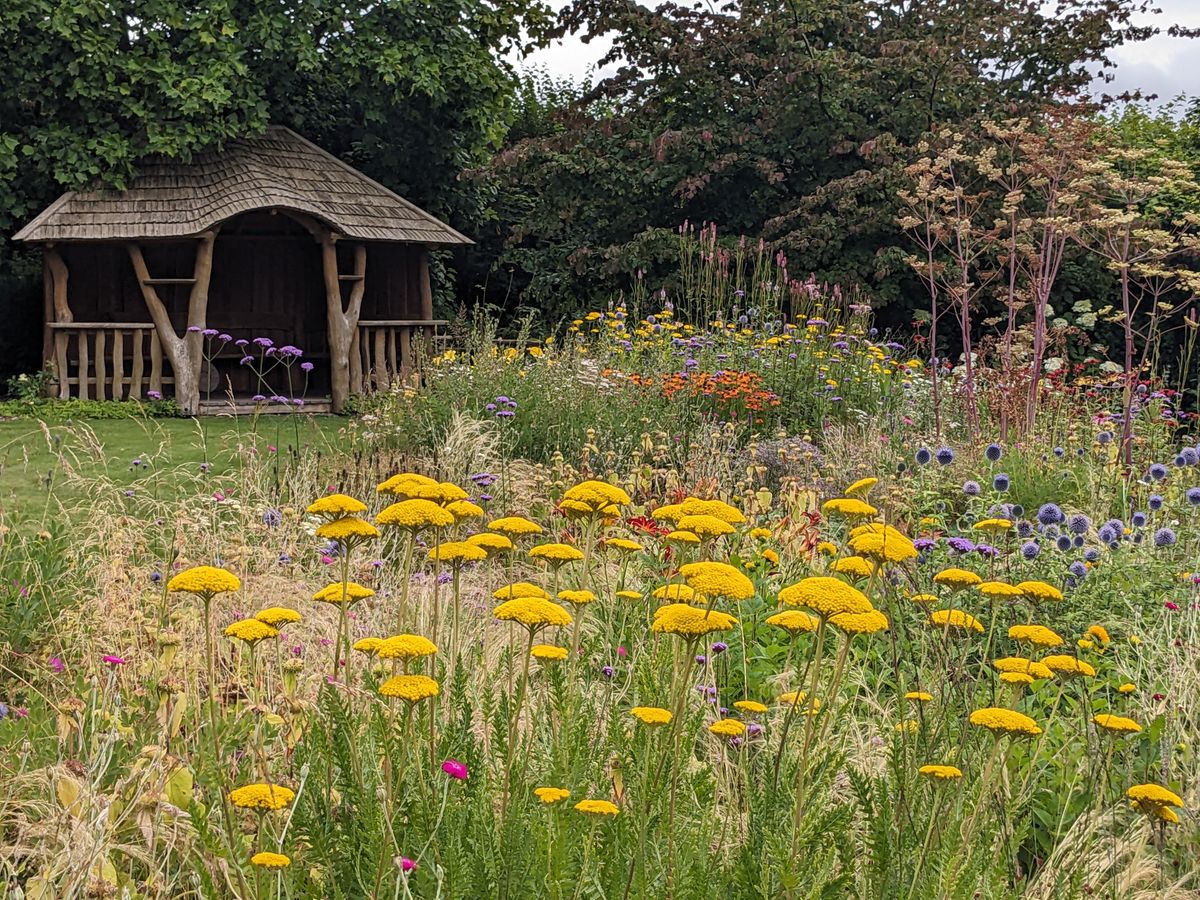
Years ago at a National Garden Scheme event I got chatting to another garden owner about re-vamping tired borders. I explained that I was trying to carve out some pockets of space in an overcrowded bed, to add in some earlier colour. She shook her head slowly. ‘You won’t be happy with it, just dig everything out and start again.’
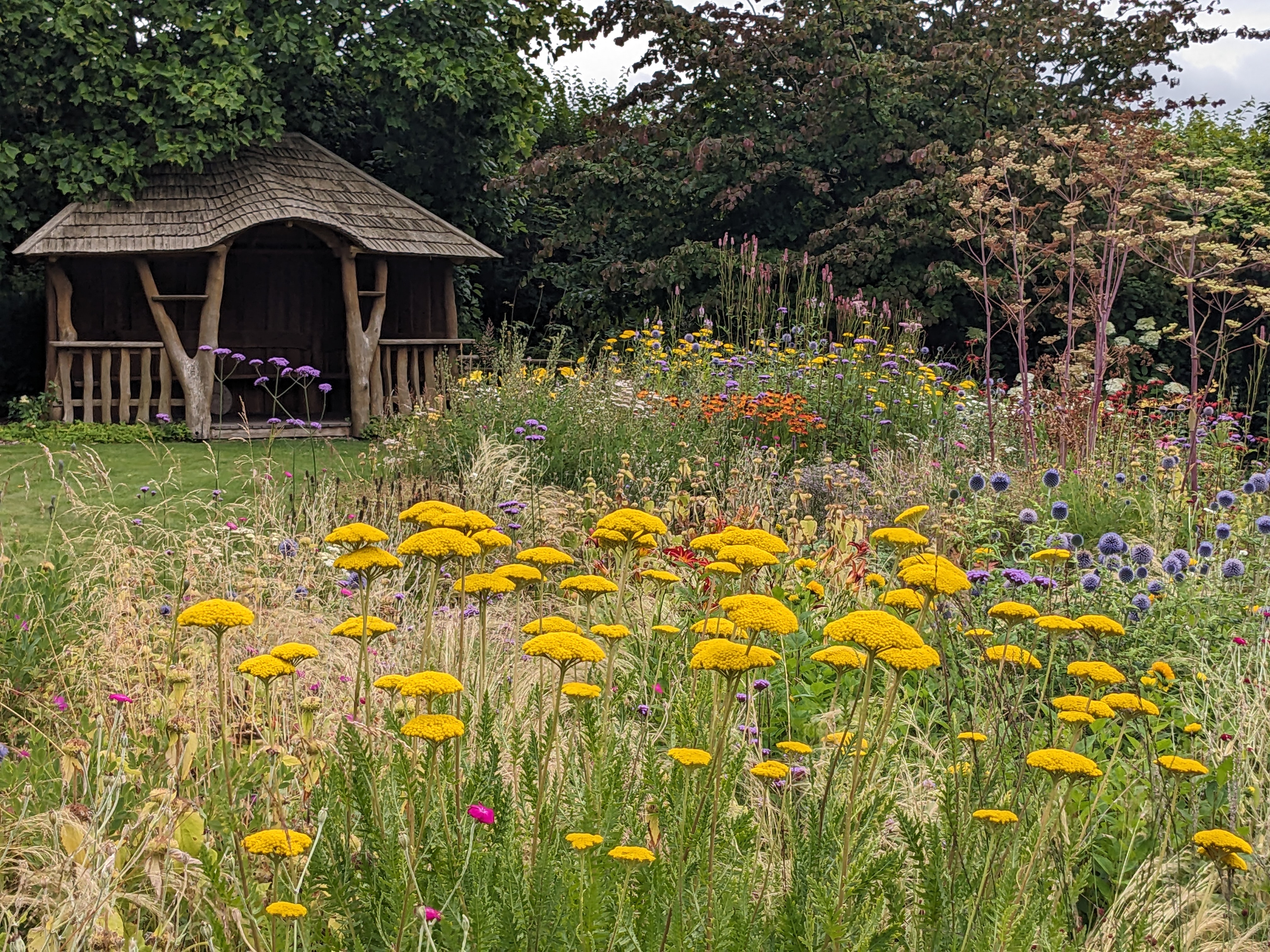
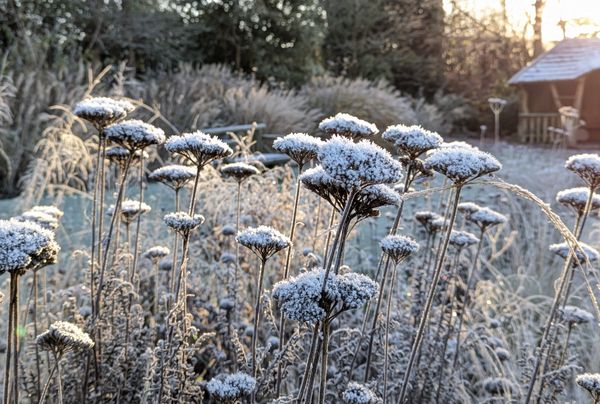
Reader, she had a point. All the while a planting still has good ‘form’, like the vista above, then it’s fine to ‘edit’ it, as I call it. Maybe I’ll reduce an over-dominant clump, or remove a few excessive self-seeders. But there is a tipping point beyond which only digging out and starting again really works. How do you know if that point has been reached? Cropping that area out of photos is a good clue.
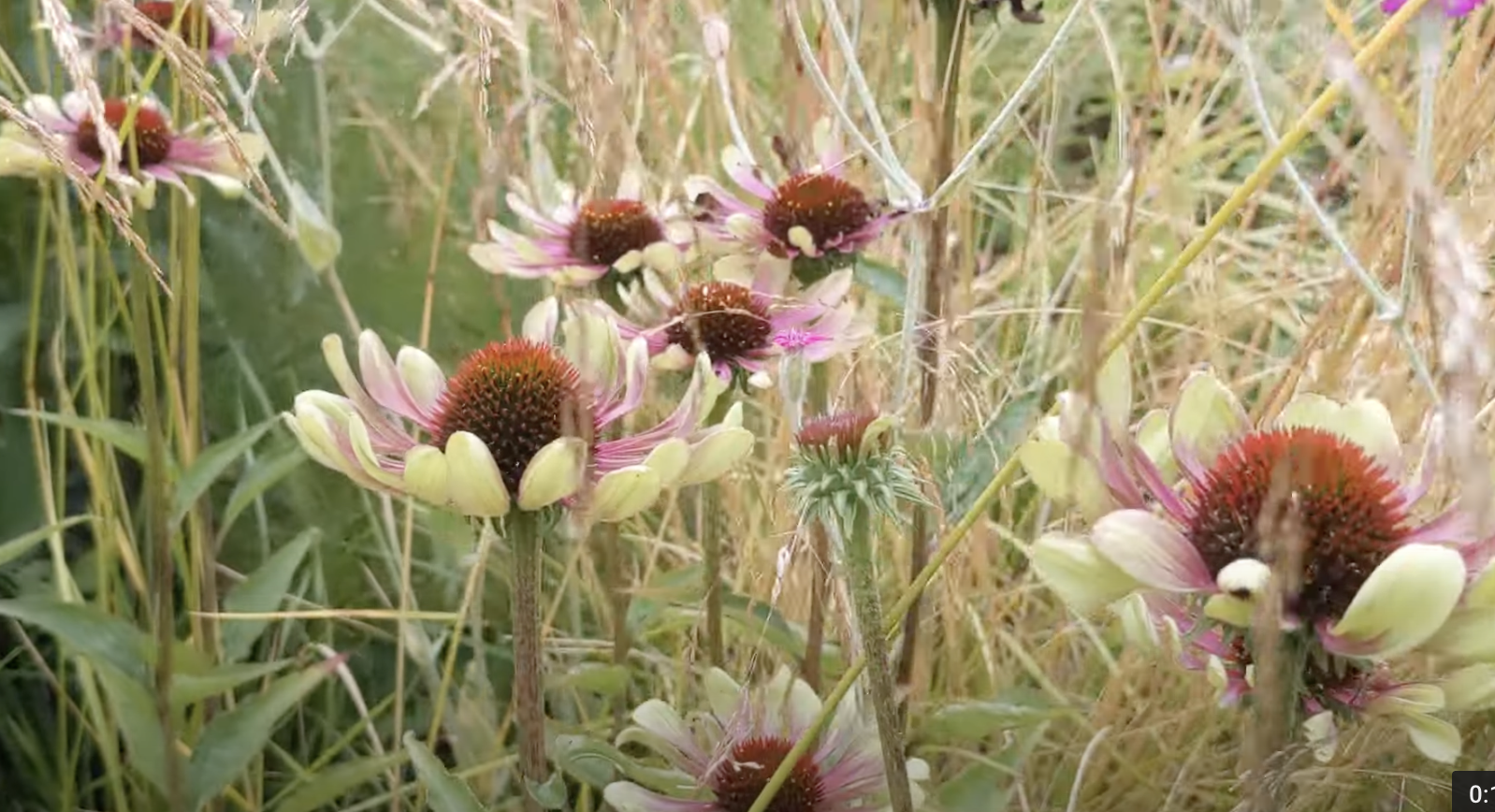
We love to let our plants nestle into one another, like this Echinacea ‘Green Twister’ with Deschampsia cespitosa, above. This permissive, intermingling approach means our borders look relaxed, but never disorderly, we hope. It’s a fine line though, and we never have quite enough maintenance time, so there can be a long lag between merely cropping a weak area out of photos and realising it has gone beyond recovery. And then there’s a much longer delay, often years, before we find the time and energy to clear it out and start again.
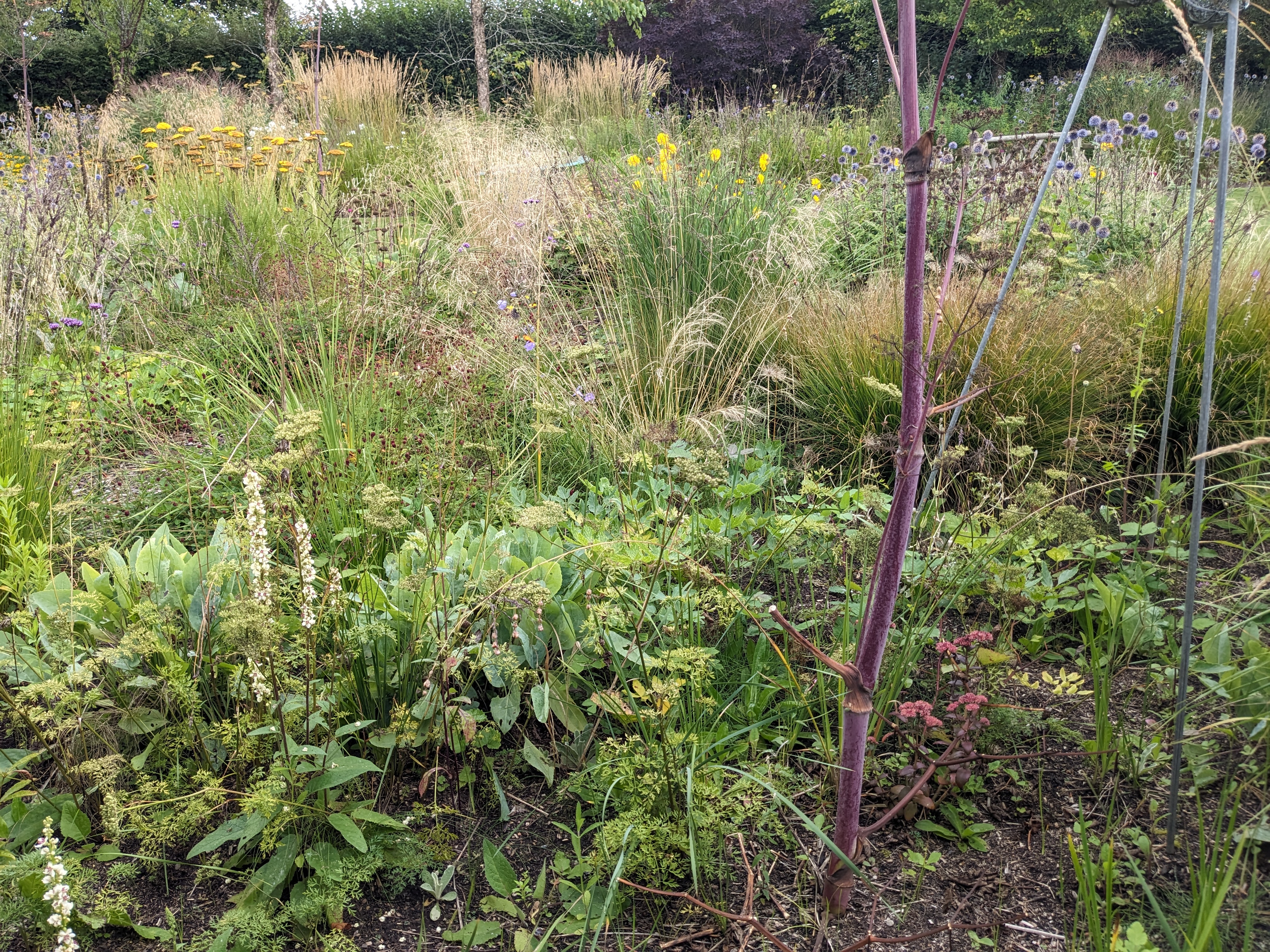
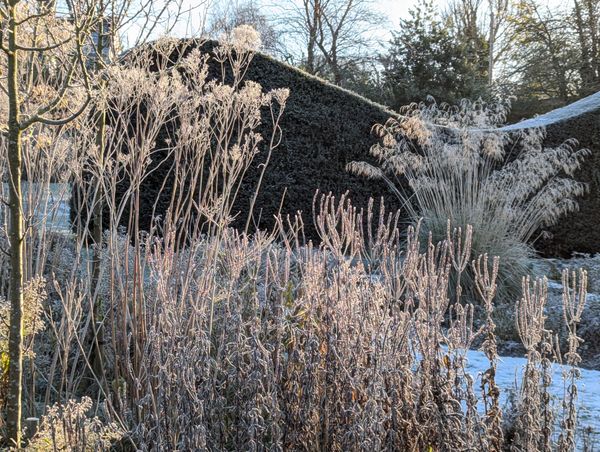
The area pictured above has completely lost it. It’s actually just to the right of the top photo - the tall pink stems of Peucedanum verticillare in the foreground above are the same ones on the far right of the top picture. I’ve cropped this area out - it’s just visual mush. Still visible are the glaucous leaves of the Rudbeckia maxima that I planted originally, now congested and not flowering, and the ferny fronds of a lovely self-seeding umbellifer, Cenolophium denudatum. Amongst them, Verbascums, a sedum I didn’t plant, lots of Dierama seedlings, a reed of some sort, several grasses and lots of weeds.
We’ll dig it all out, split and replant the Rudbeckia, re-group the Cenolophium, move the Dierama seedlings, remove everything else and then see what gaps we need to fill with fresh planting. But not yet.
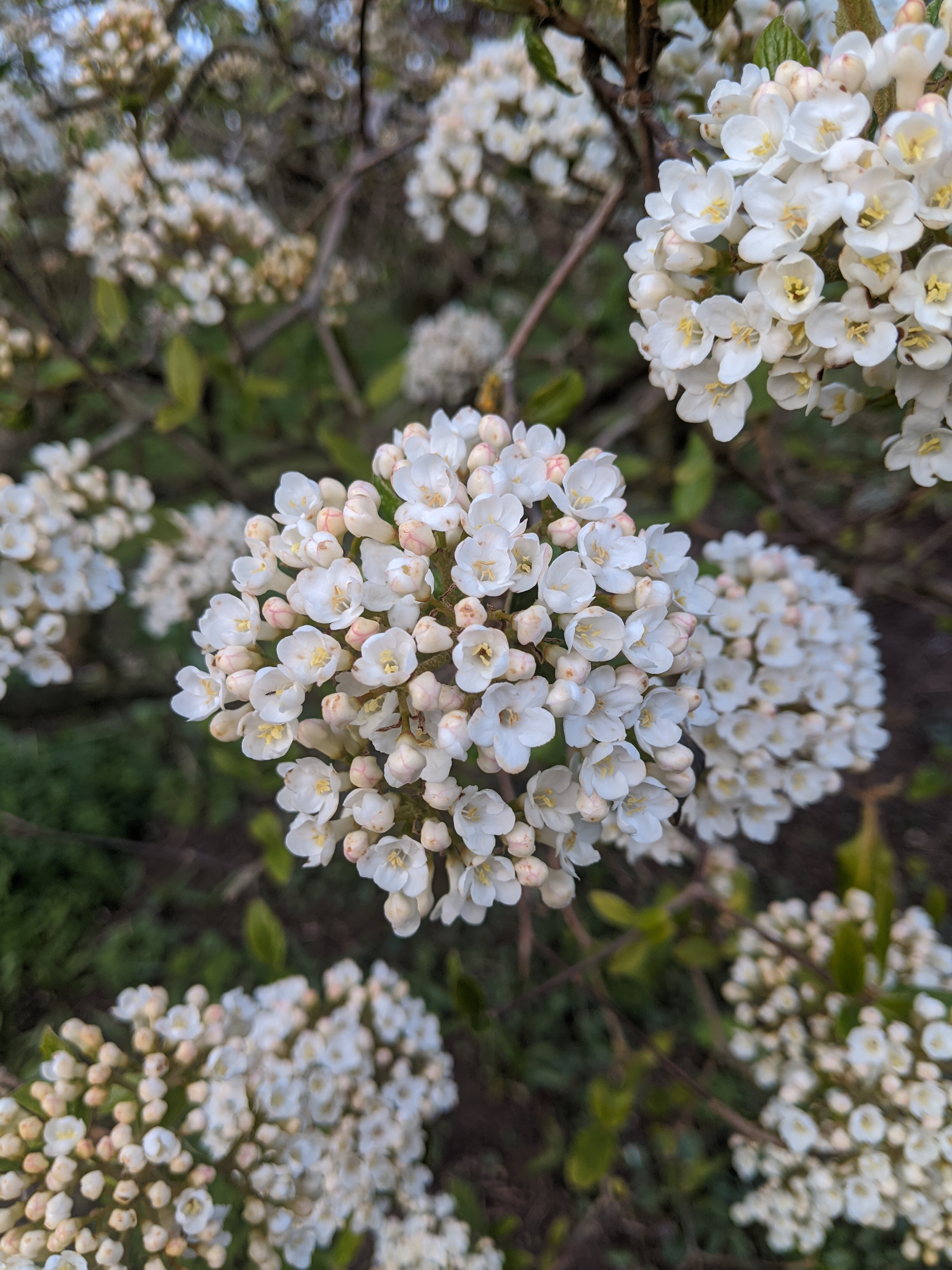
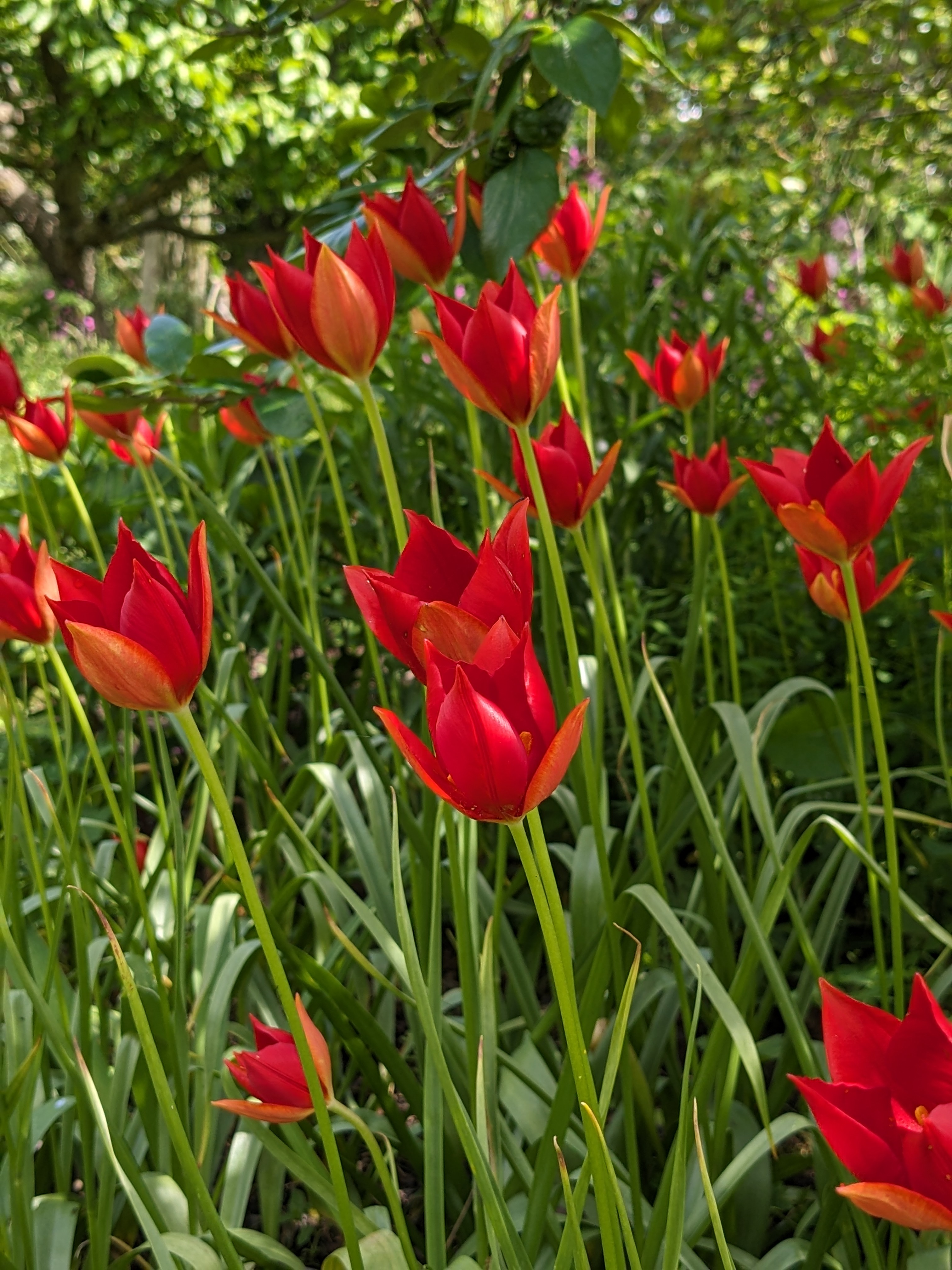
First, we need to finish clearing a large bed that we started emptying last year and abandoned in March. At one end is a glorious Viburnum carlesii underplanted with Aster divaricata and Tulipa sprengeri. We’ve left them in, along with a fine crab apple. At the other end is an elderly Lonicera syringantha shrub, which is sweetly scented in early April and a scrappy looking thing for the rest of the year. It also had a hawthorn self-seeded into its centre and a bramble running under it.
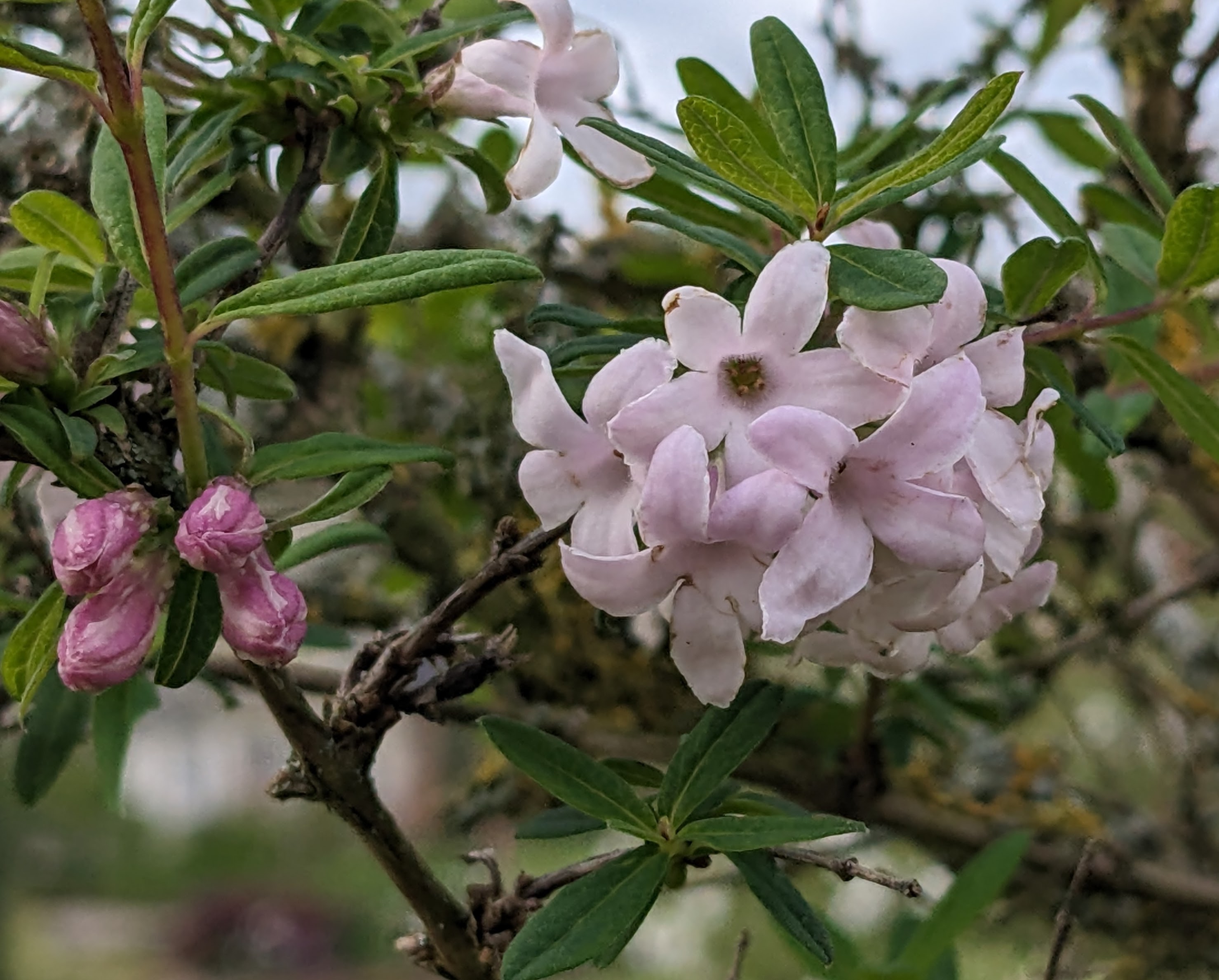
So Chris and I agreed it needed to come out. It’s been in at least 30 years and was reluctant to relinquish its spot. But over the years we’ve defeated mightier foes together and we have our ways. We’re both in our 60’s now and we don’t rush at it. First, we prune it to about waist high. We gather up trenching spades, trowels and loppers and start to dig steadily, working our way round and under it, one section at a time. Chris’s knees aren’t great, so she stands up and digs. I don’t like bending double so I kneel down, burrowing underneath with a trowel to expose and sever roots one at a time.
We stop when we feel like it, fetch a brew and admire our excavations, giving the shrub a tug to see whether it’s moving yet. We joke about hiring a horse to tug it out in one go, then get back to it, tunnelling and sawing and pulling at it. Eventually it starts to give, Chris heaves on it, rocking it back while I climb into the hole and attack the roots with a pruning saw. There is no reprieve from two focussed, ageing women armed with sharp tools and near unlimited patience.
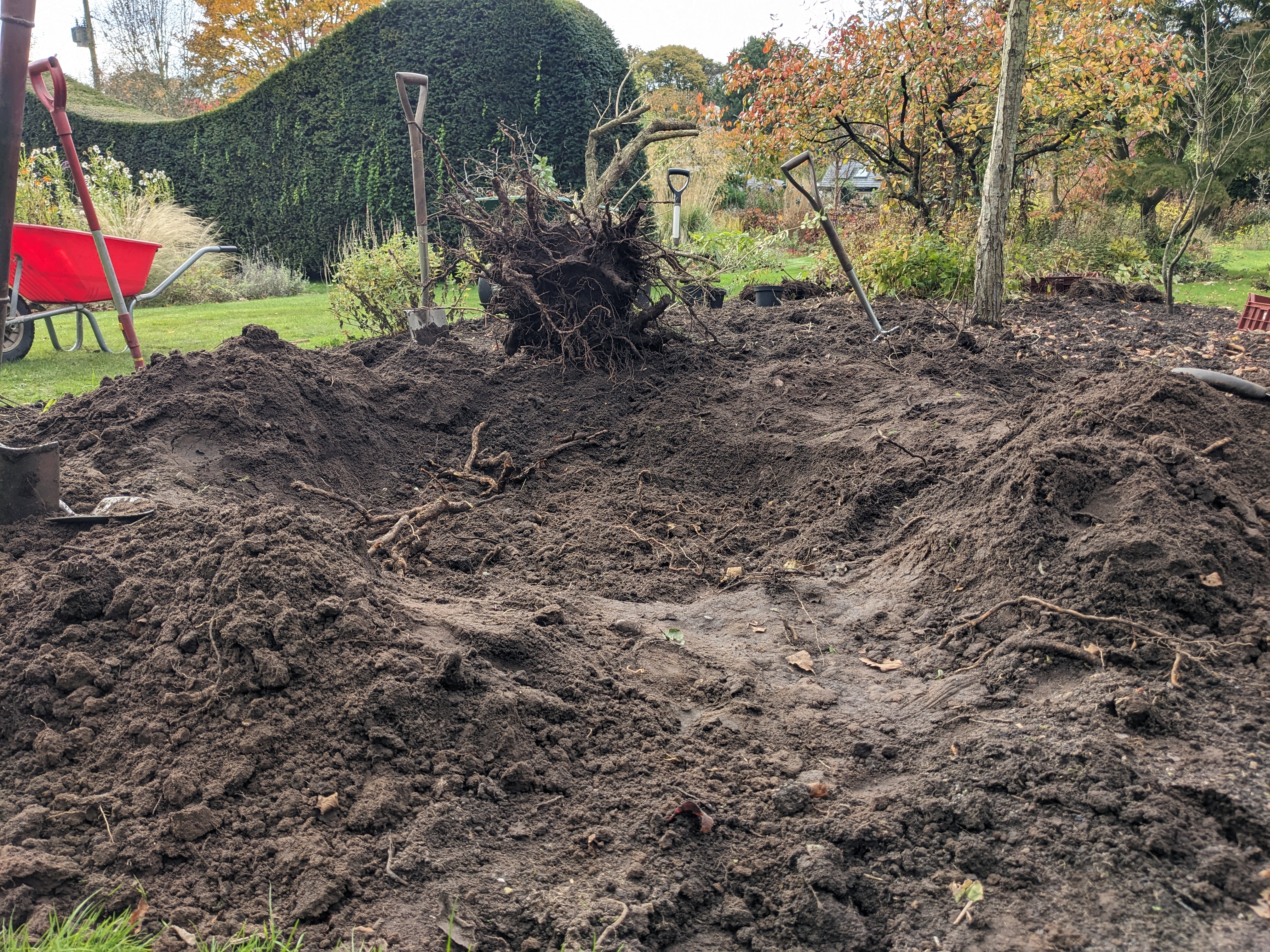
After an hour or so of steady work, we cut through the last root and lift it out together, smiling and satisfied. Neither of us are out of breath. Years of gardening mean we have the measure of our limits of strength and stamina and can work pretty much all day, at our own pace. And we like each other’s company too, whether we’re chatting or not. Sometimes we do and sometimes we don’t, it doesn’t matter. It helps hugely. These big tasks are demoralising on your own, a cinch with a companion.
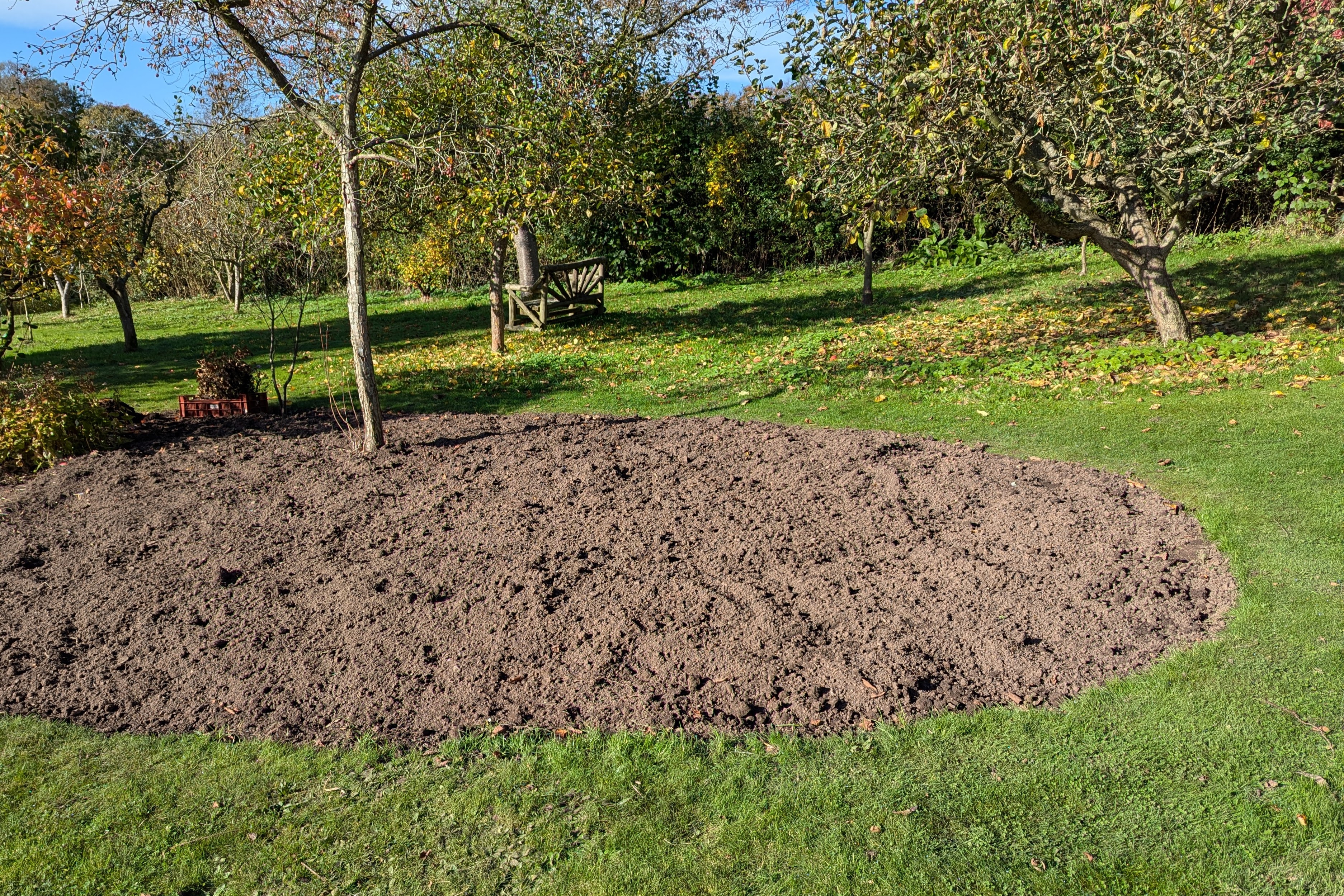
We take our time over lunch and then return to dig it over, spending the last hour musing on replanting schemes. We’ve got some ideas, but there’s no rush, we’ll think about it for a few weeks before deciding.
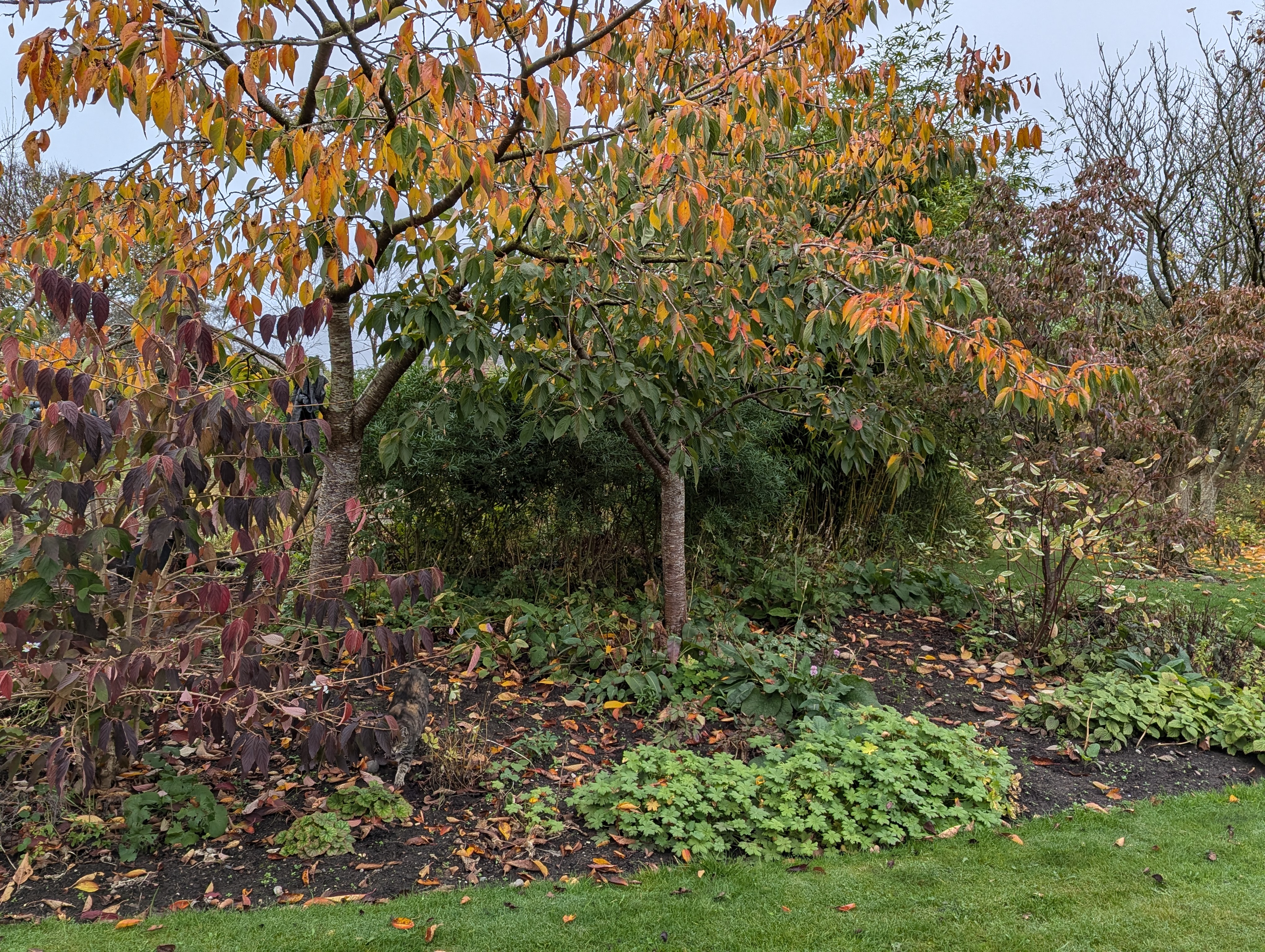
That was last Thursday. This Thursday we moved on to another border from which we’ve been trying to clear ground elder for a couple of years. One huge, impenetrable mat of roots remains, under the four Choisya ternata ‘Aztec Pearl’ that I planted 10 years ago to form a scented screen for the seat beyond. But as well as being riddled with ground elder, they’re growing up into the Prunus ‘Shirotae’, above them, marring their shape. And I don’t want to prune them into blobs. Also, I’d quite like to be able to glimpse through the cherries to the pond beyond it. So no prizes for guessing what next Thursday’s task is…
It’s November 1st today, the start of my least favourite month - dank, soggy and darkening by the day. I try to give myself a project, or goal each November to make the most of the necessity of being indoors so much.
You may have come across ‘NaNoWriMo’ - National Novel Writing Month. The idea is to set yourself a word count and write every day. I’m not writing a novel, but I am writing a book (or supposed to be). My aim is 1,000 words a day in November which will break the back of it.
Yes, I know the joke about the two men who meet up for lunch. ‘What are you up to these days, Bernard?’ ‘Well, I’m writing a book.’ ‘Ah yes, neither am I’.
Very apt.
If you’ve enjoyed reading this you can subscribe to get future editions delivered into your inbox, or forward to a friend you think might enjoy it. I aim to publish them weekly, but it’s more like monthly once the nursery and gardens are open. ‘Everything under the sun’ is free and always will be.