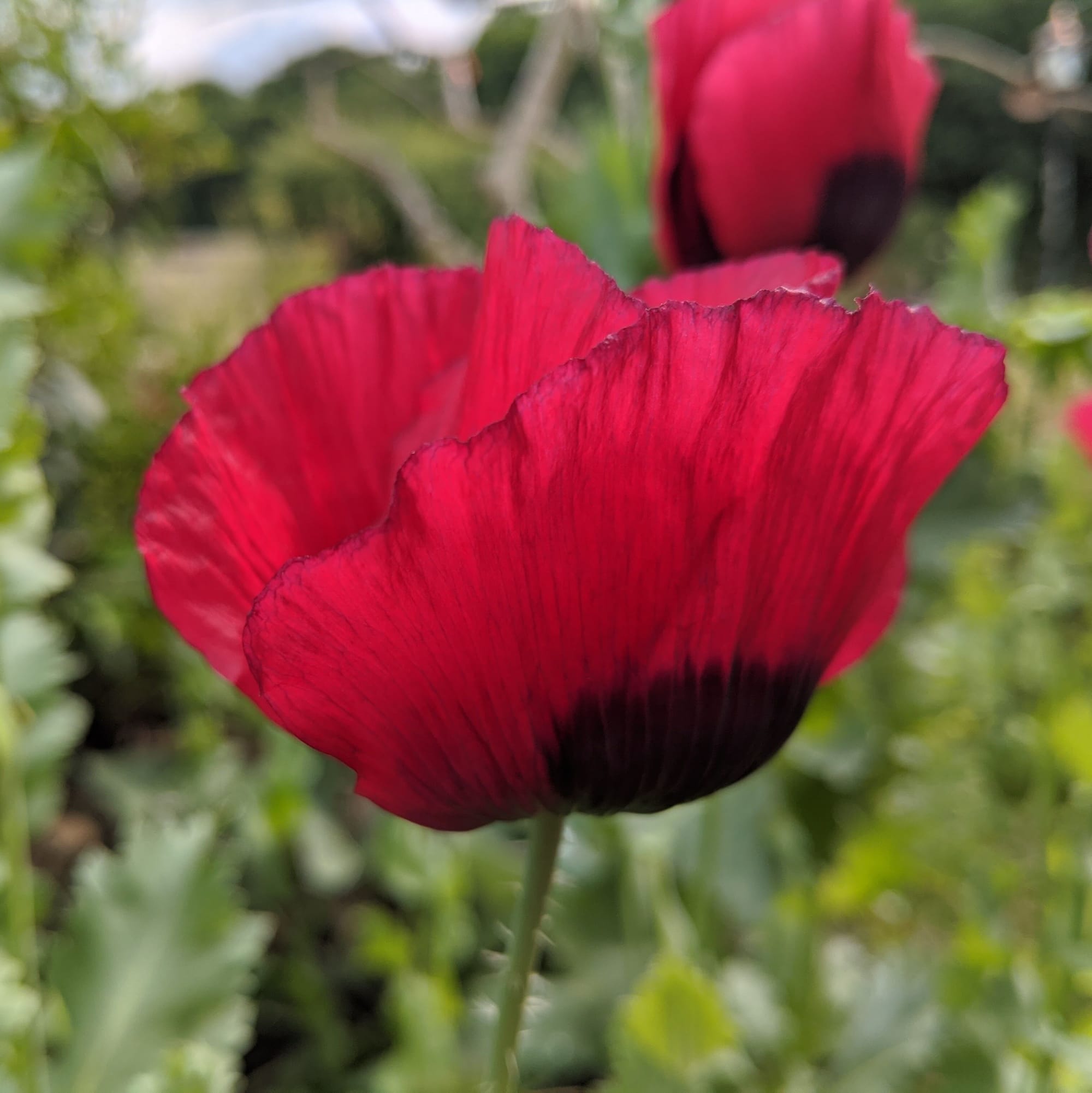
Sweet, gentle October.
...and so the show goes on...
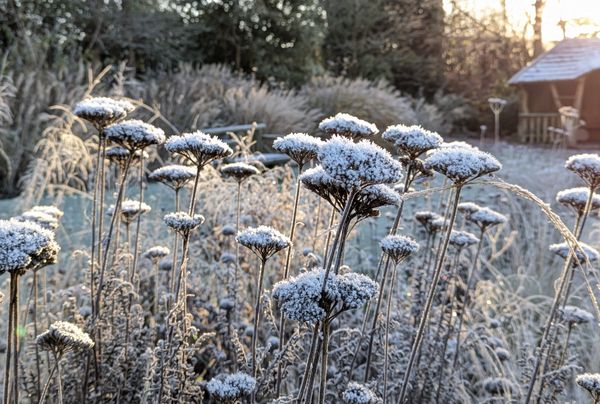
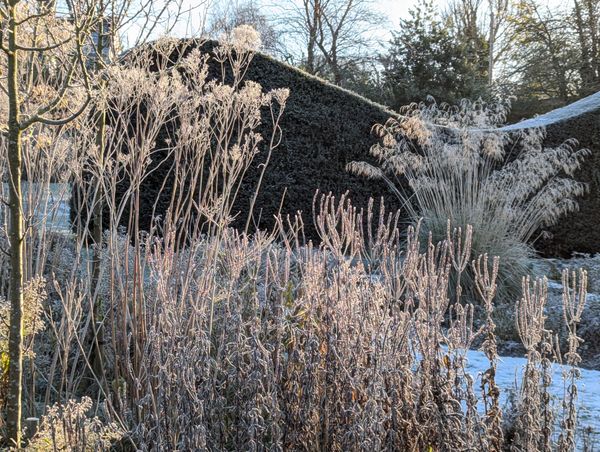
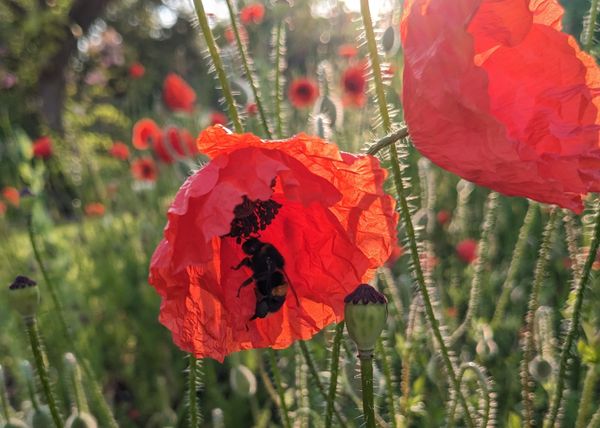
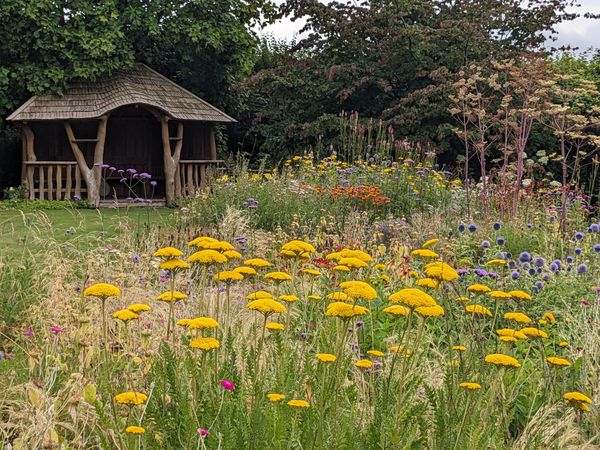
What a sweet, gentle October it is turning out to be, here. Yes, we’ve had the odd day of sustained rain and a few hours of strong winds, but these have quickly faded out of memory, smoothed away by the delightful golden light that slides through the garden each afternoon, turning leaves into stained glass baubles and adorning seed heads with halos.
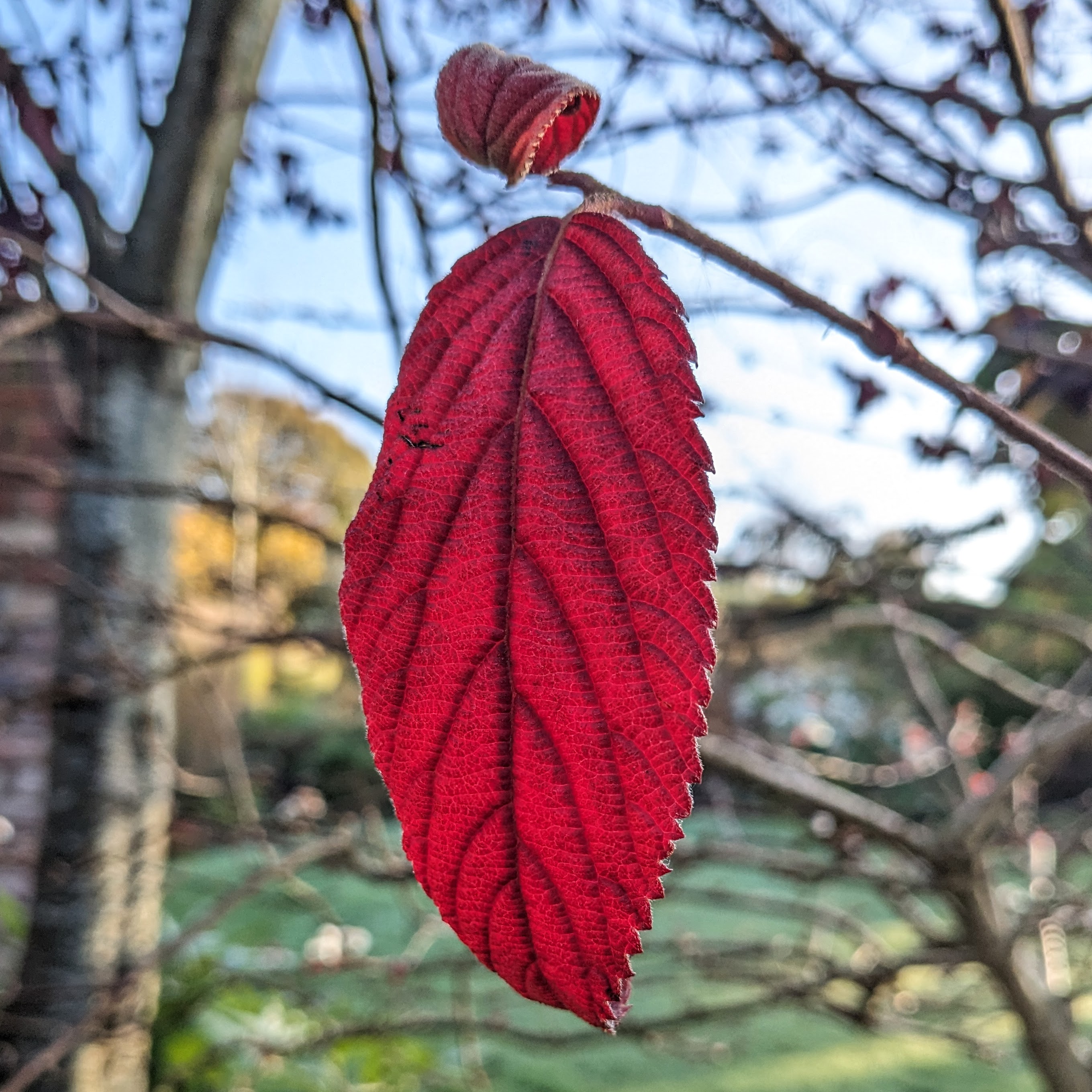
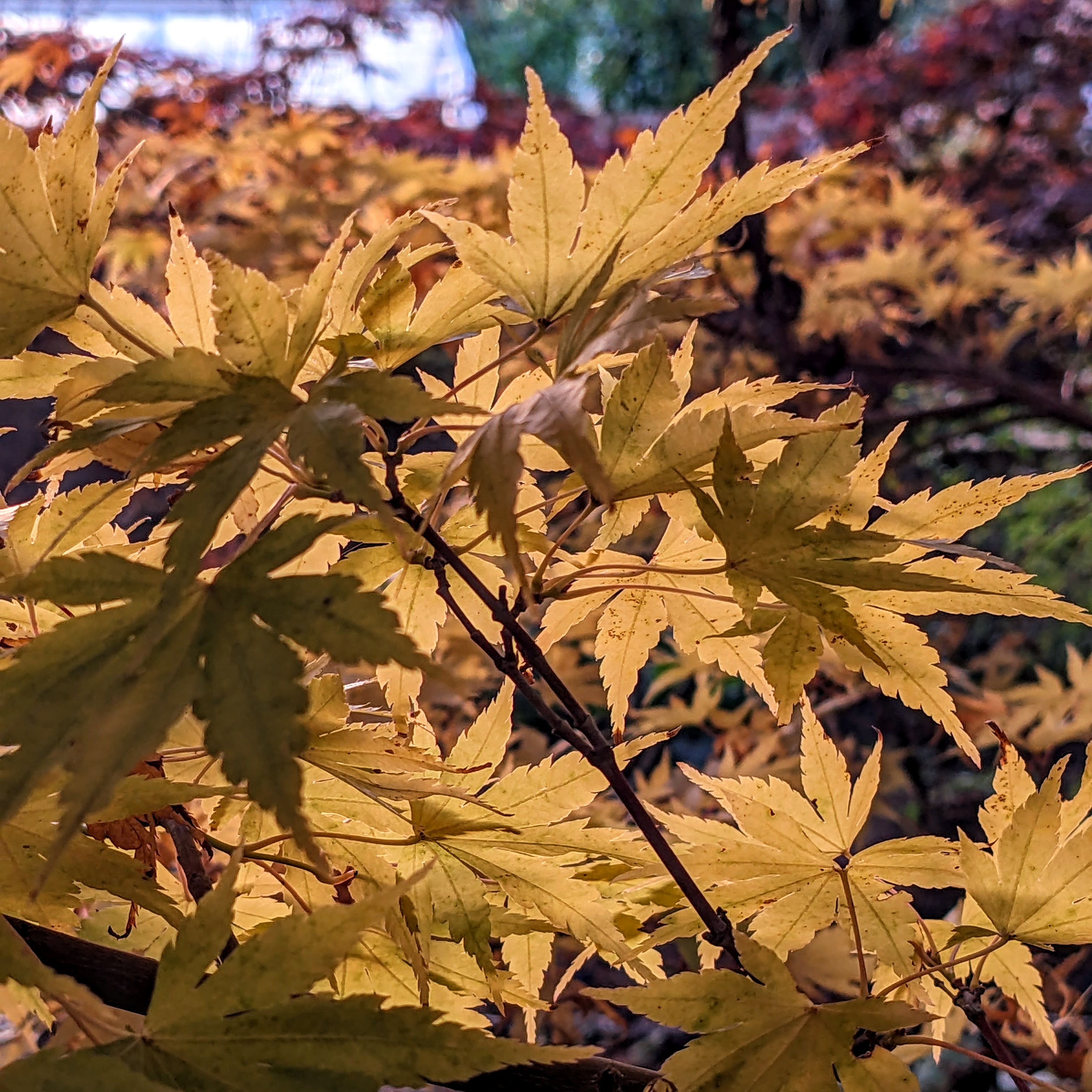
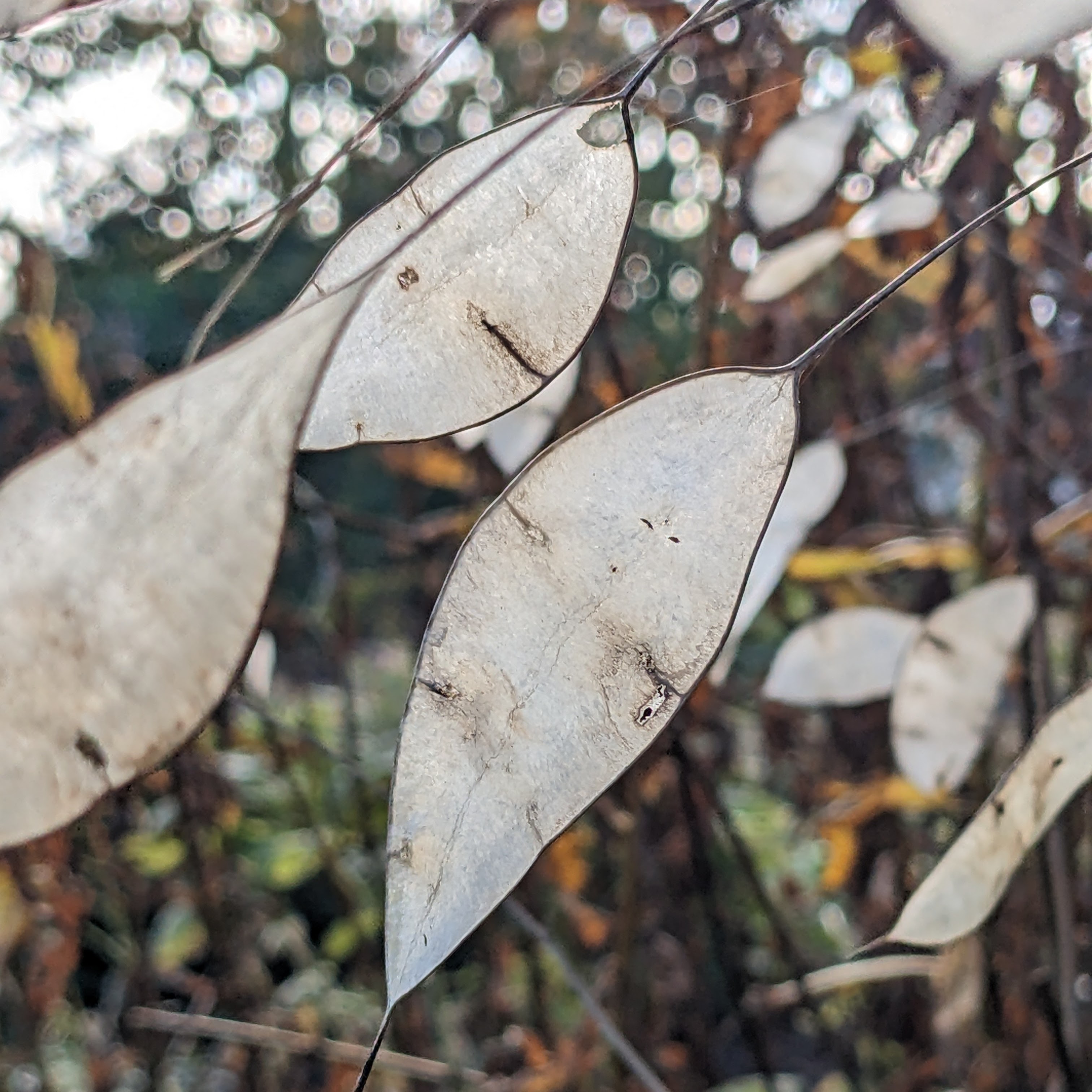
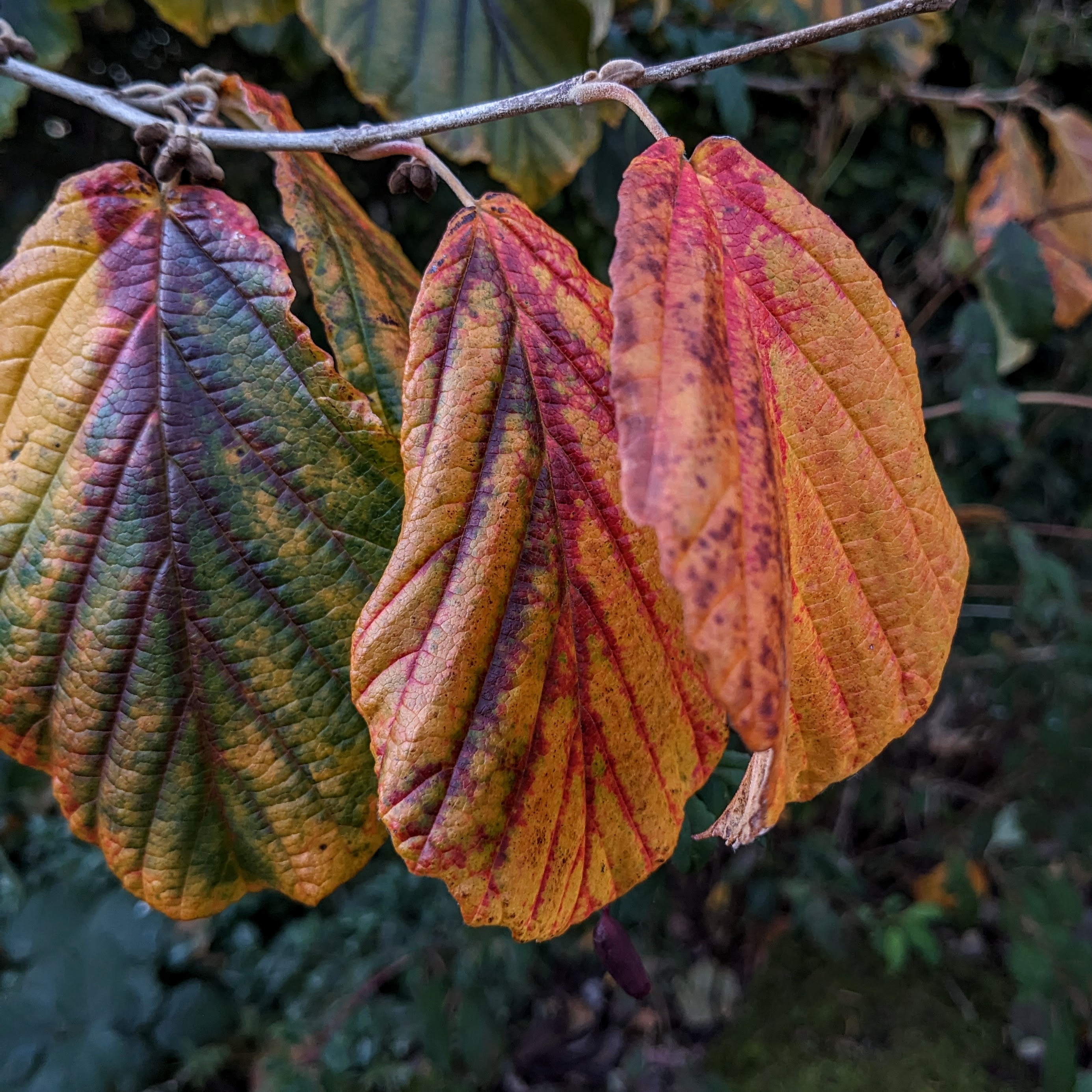
I walked the garden at sunset, counting the plants that are still in flower. Broadly they fall into three groups. The most impressive are those plants that naturally flower in late summer and autumn. This is their moment and, as all else begins to fade around them, they seem to strengthen and brighten in these shortening days.
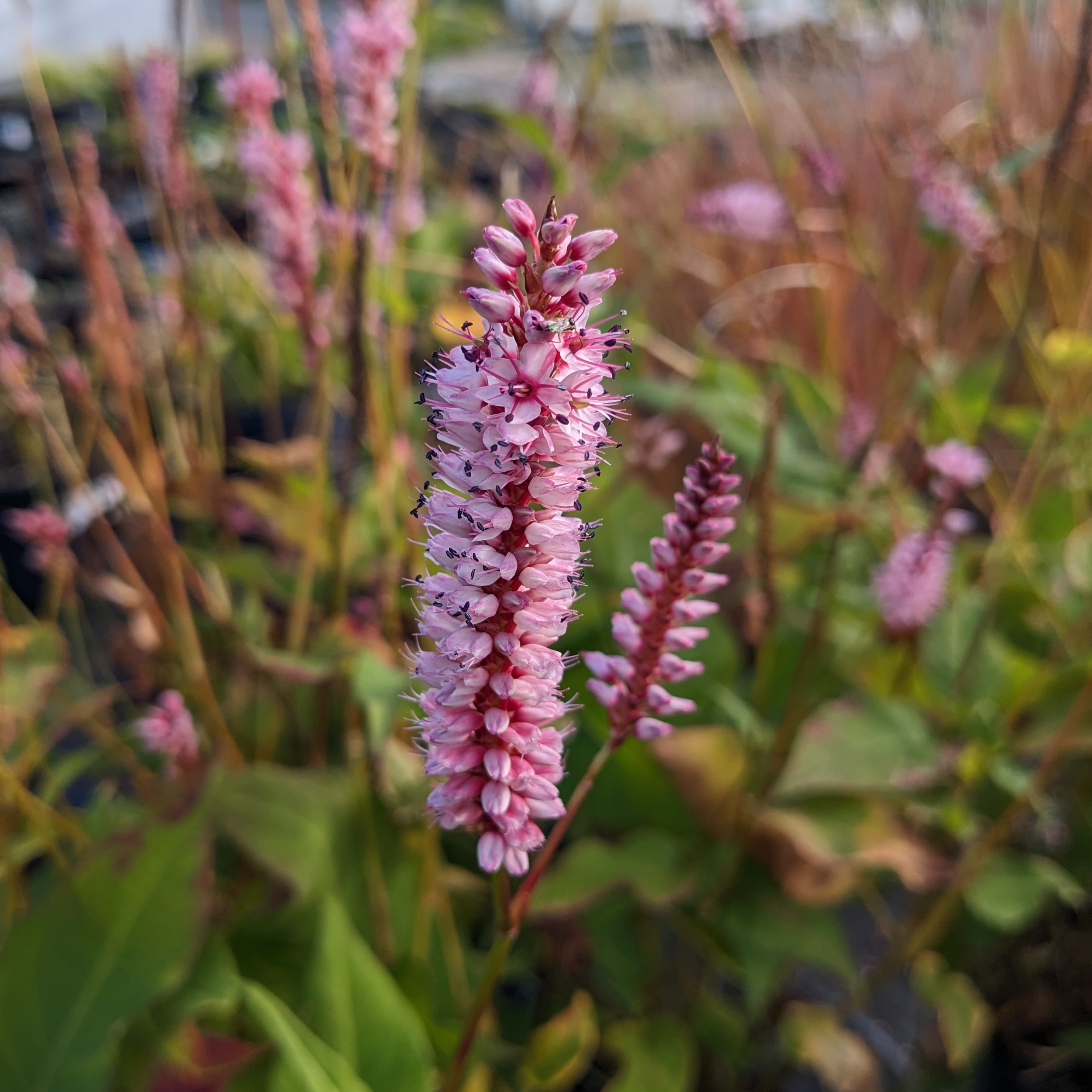
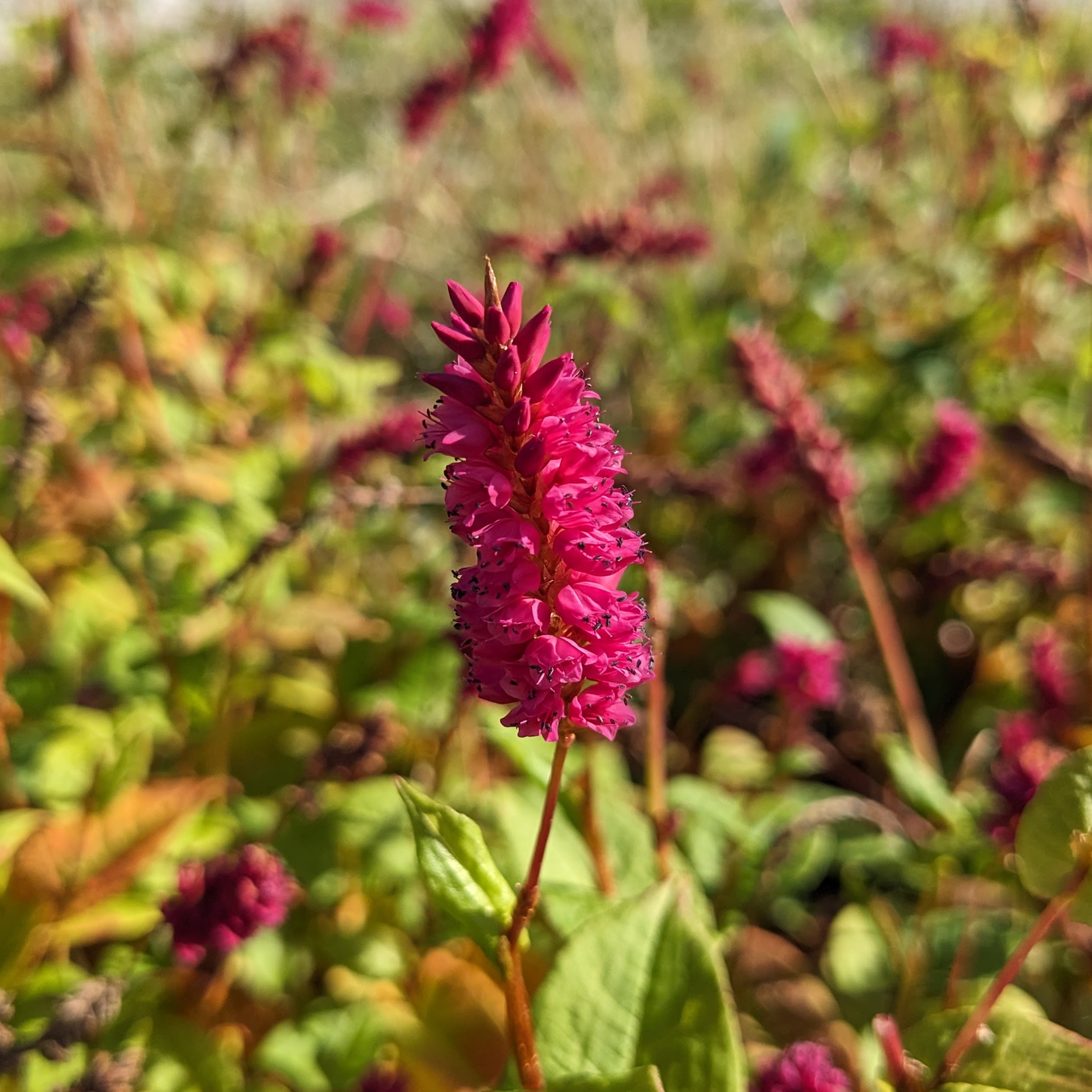
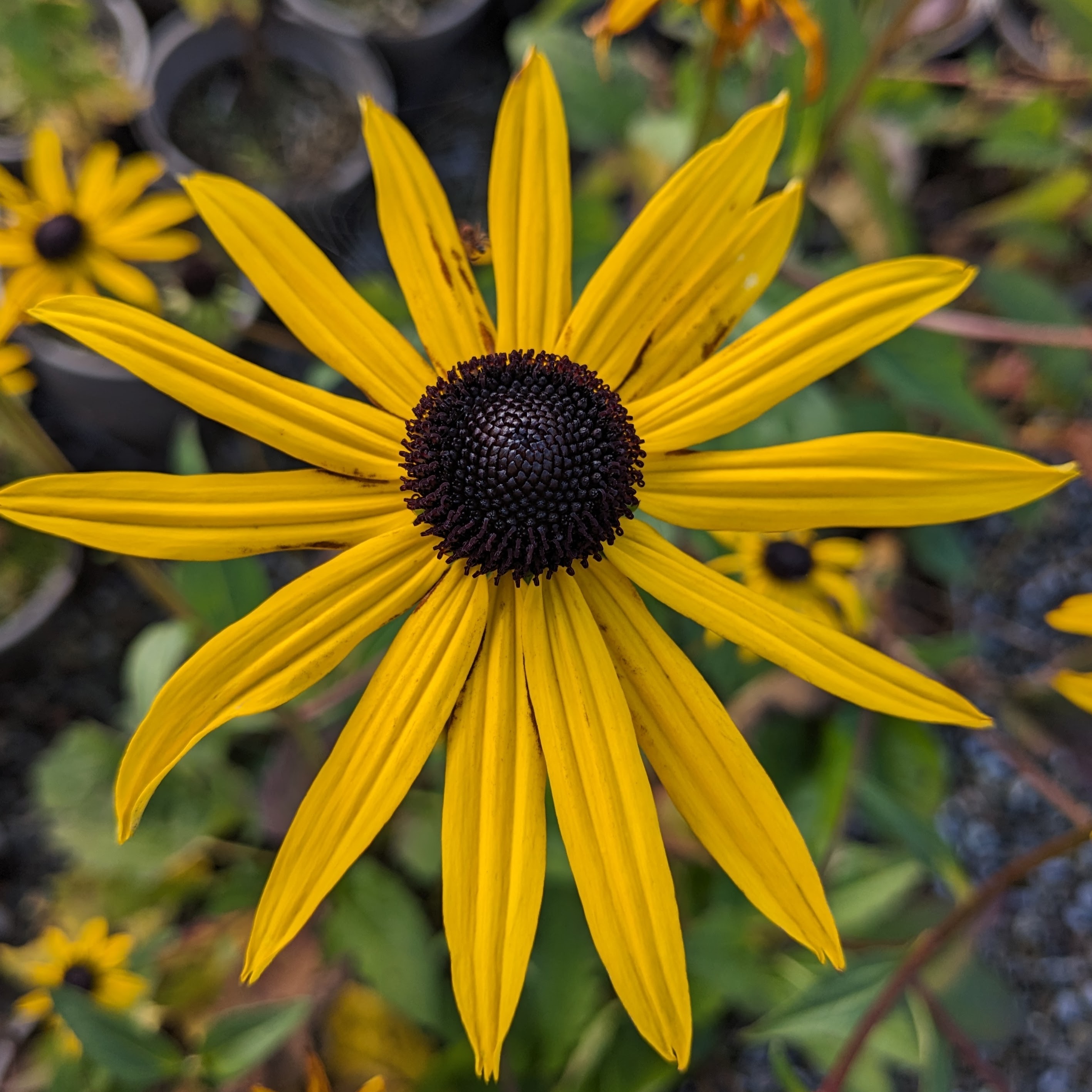
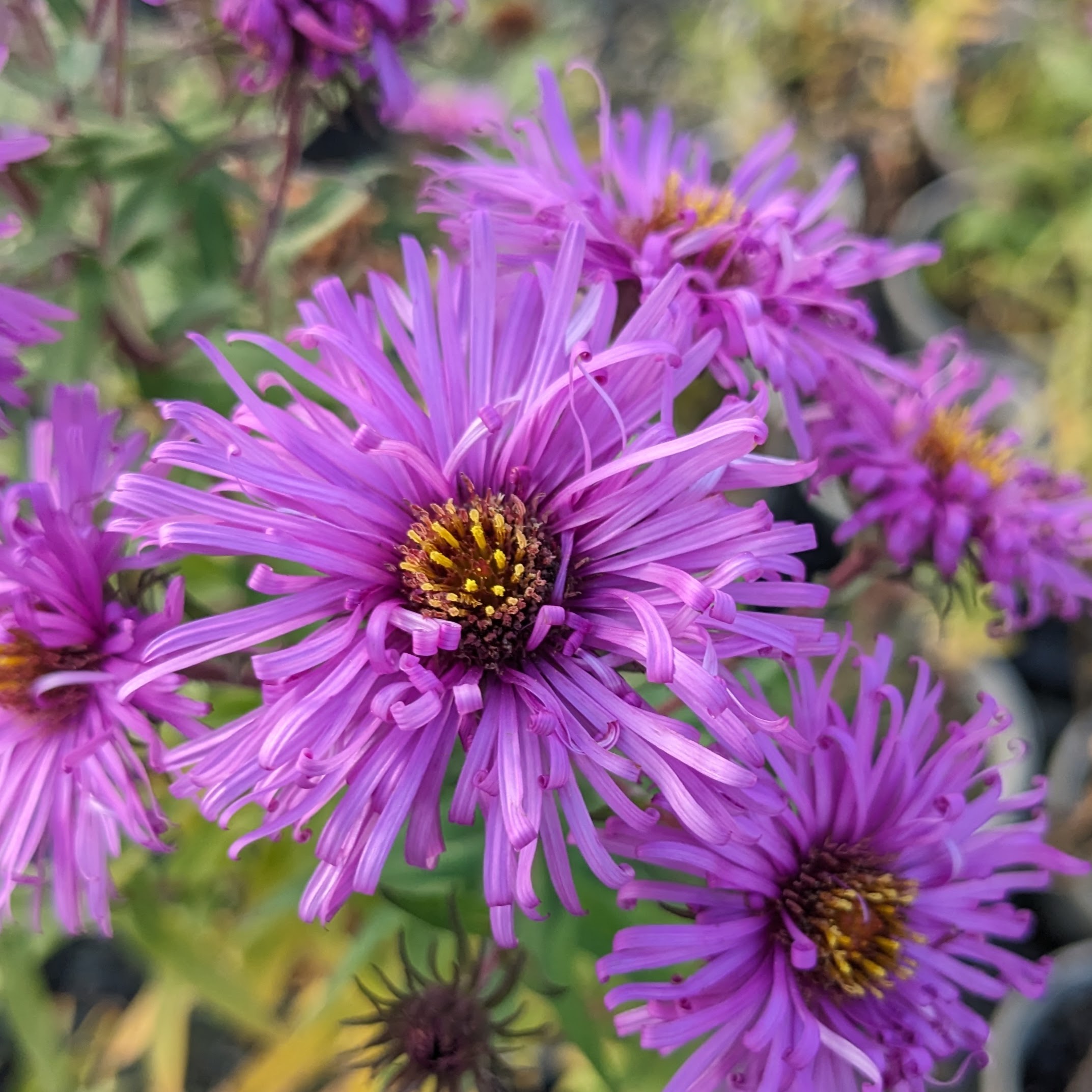
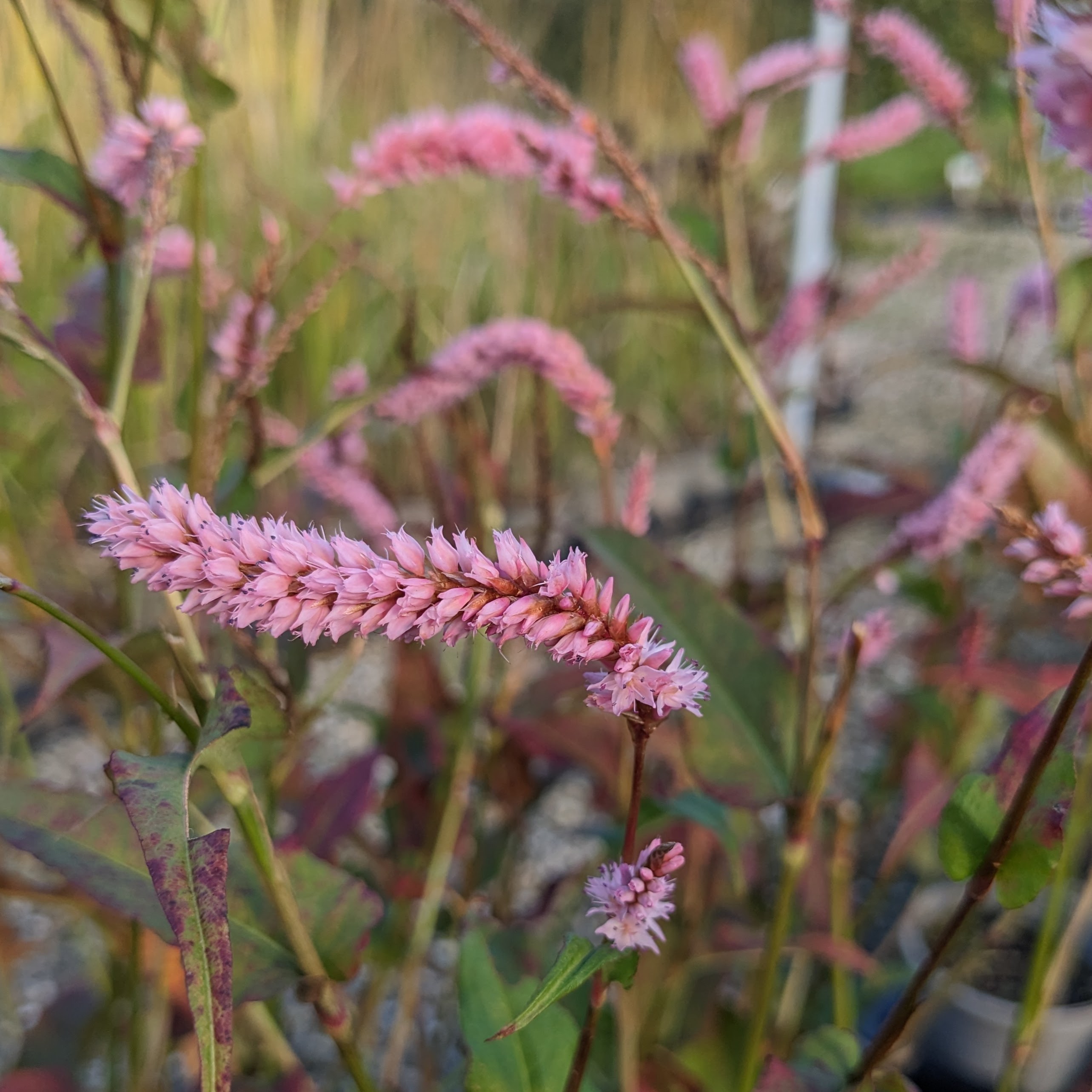
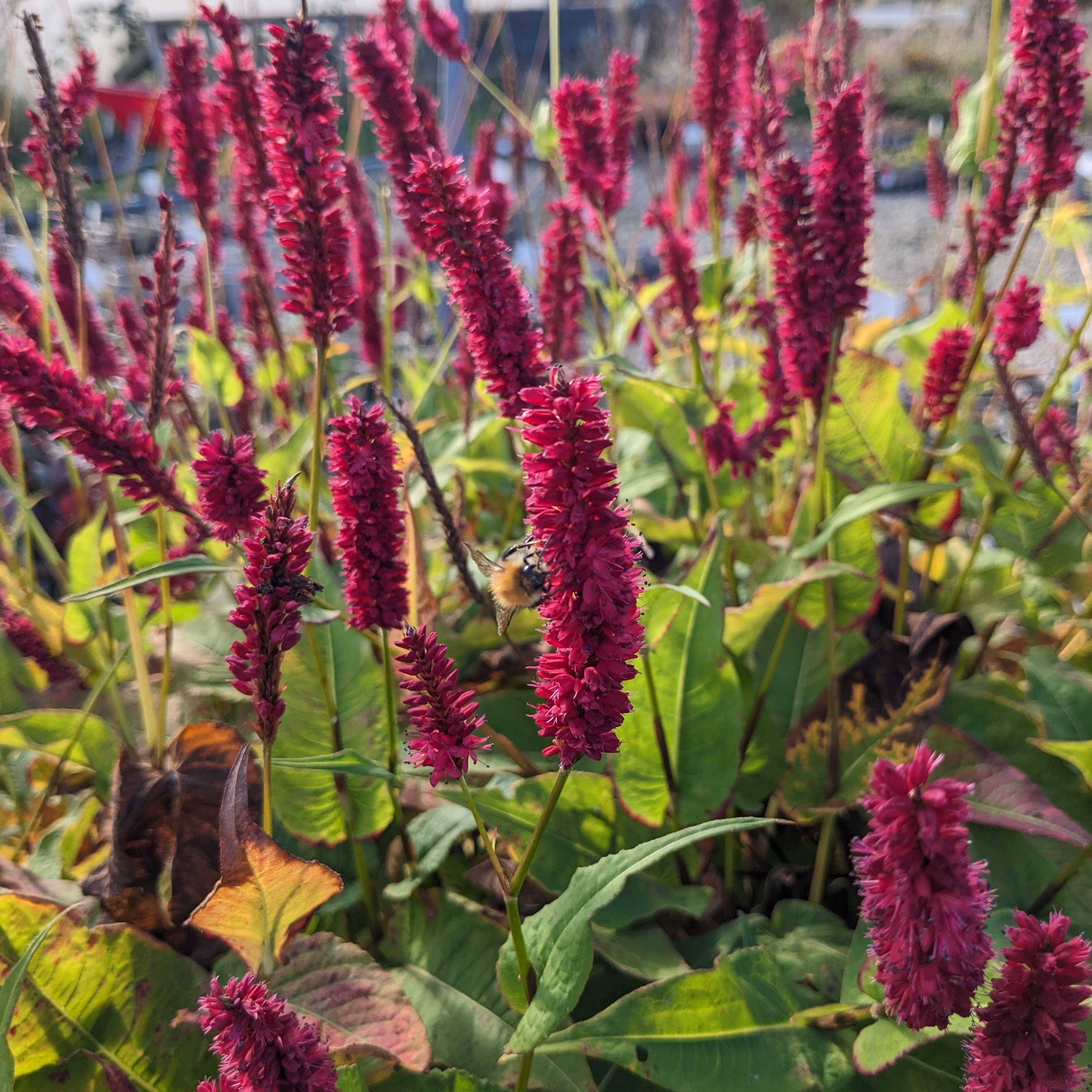
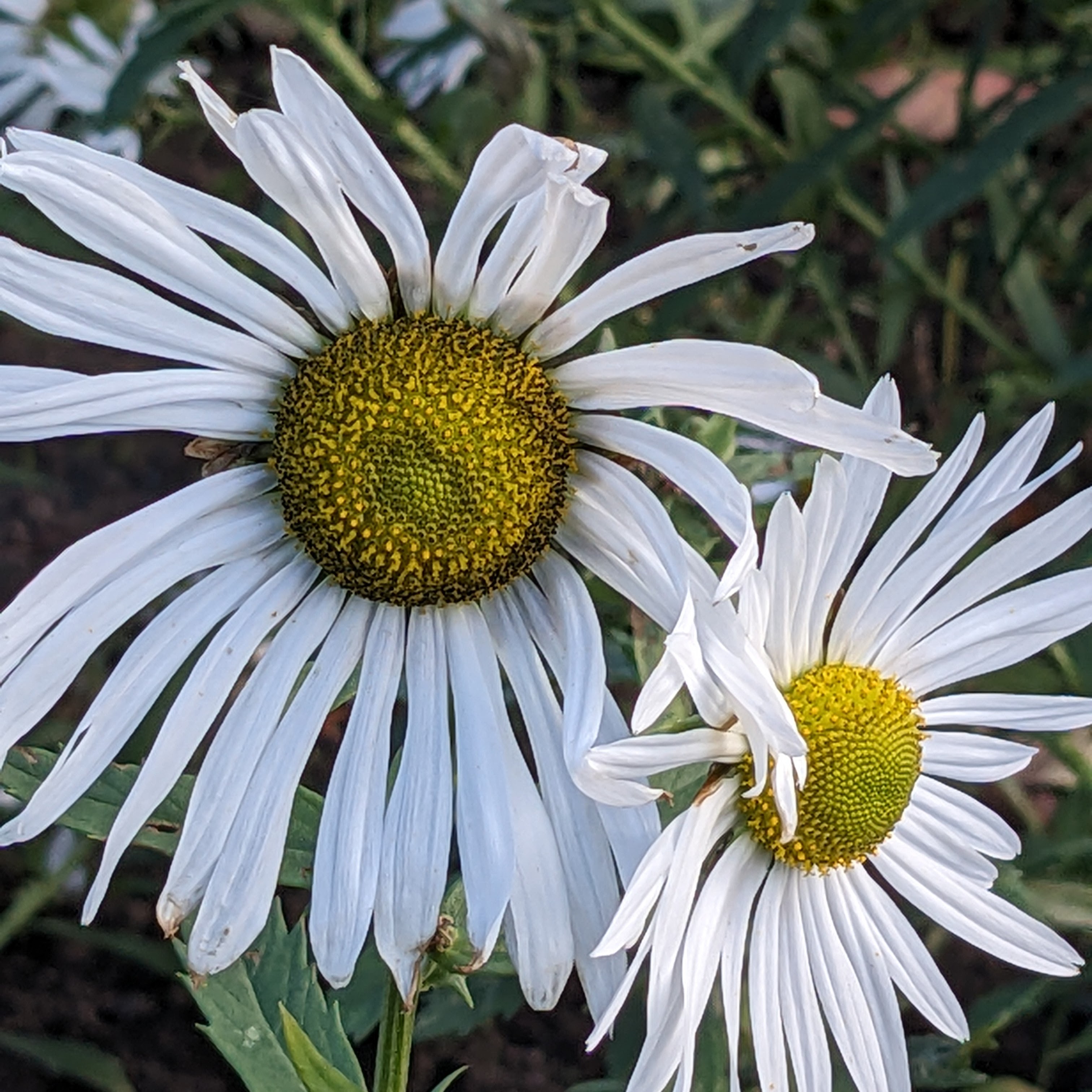
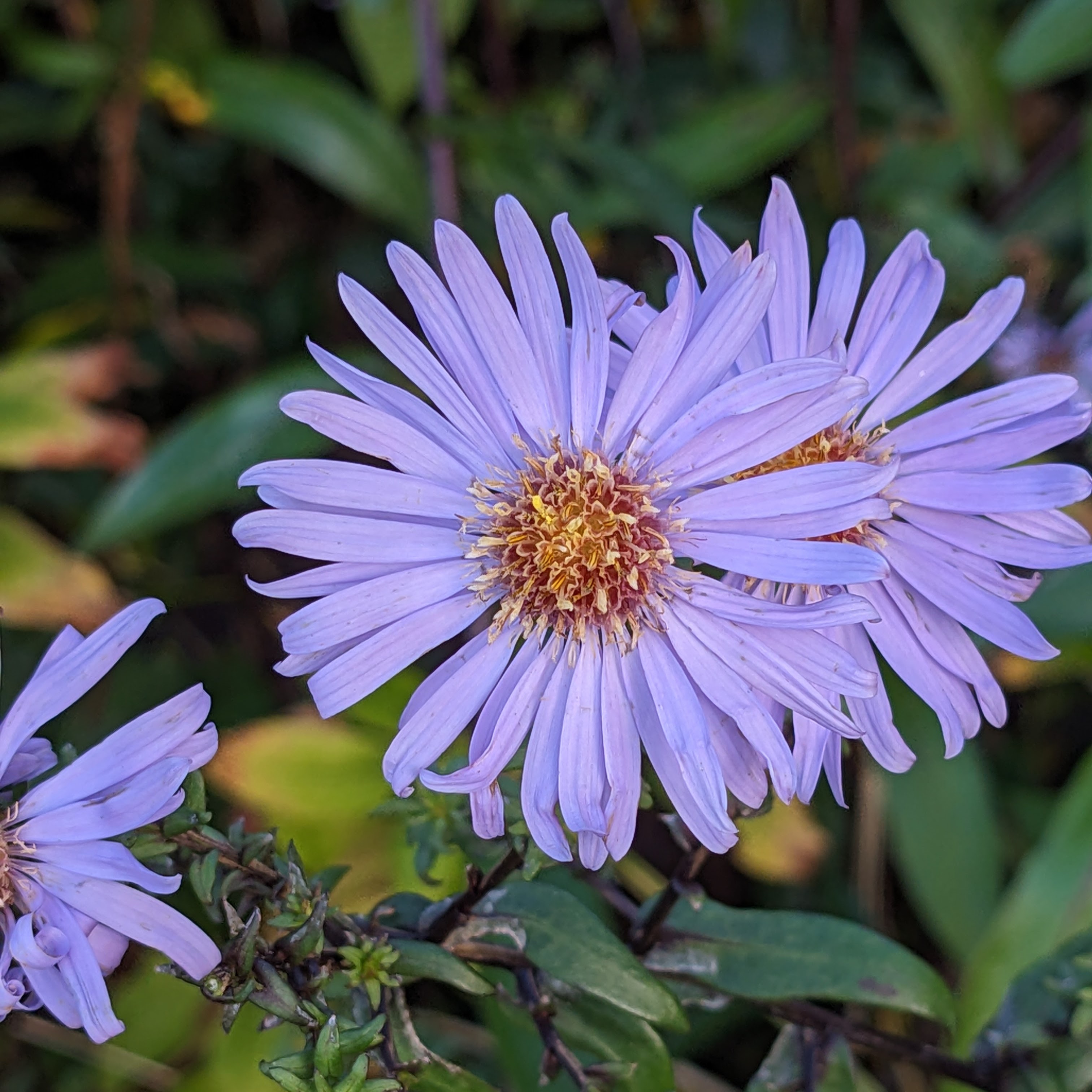
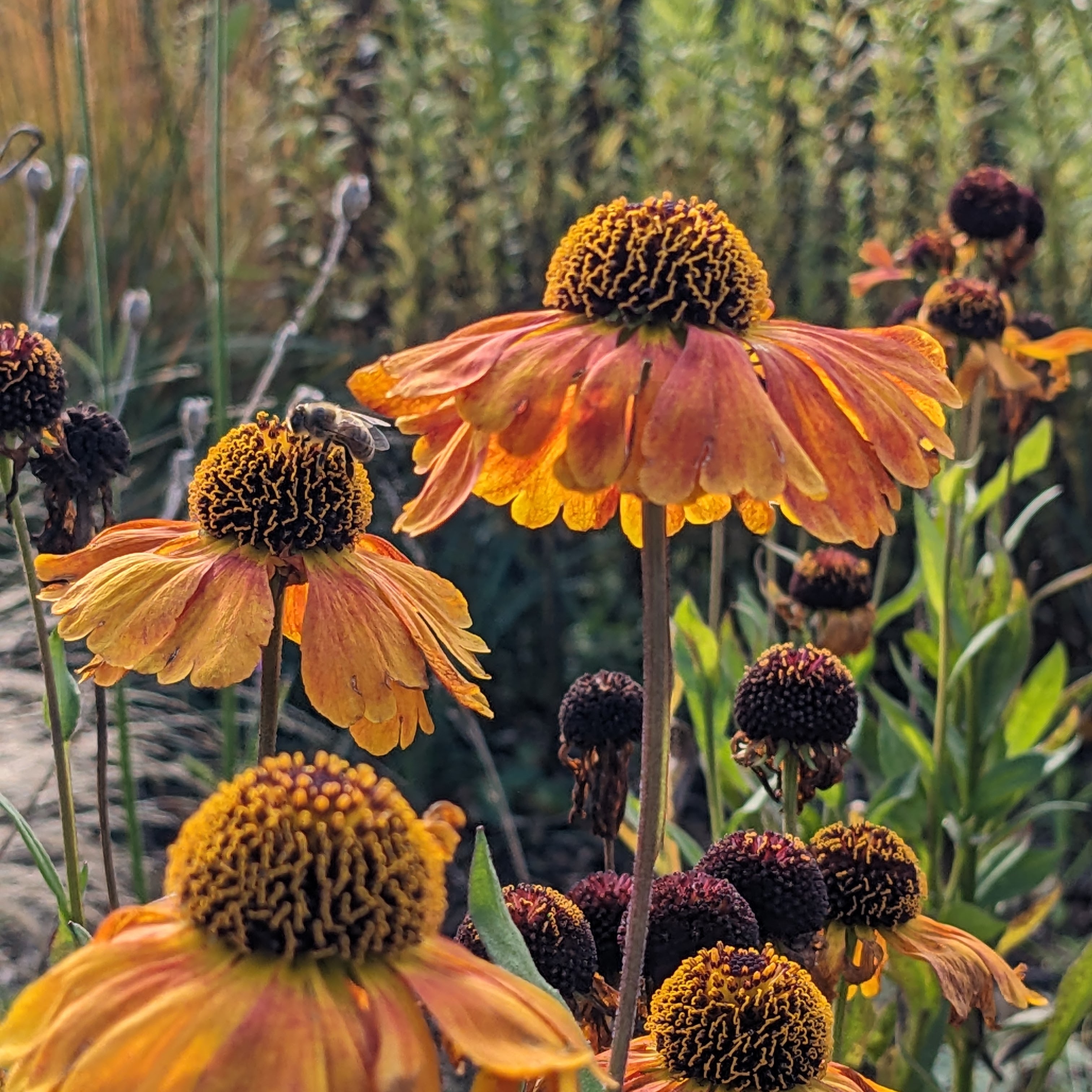
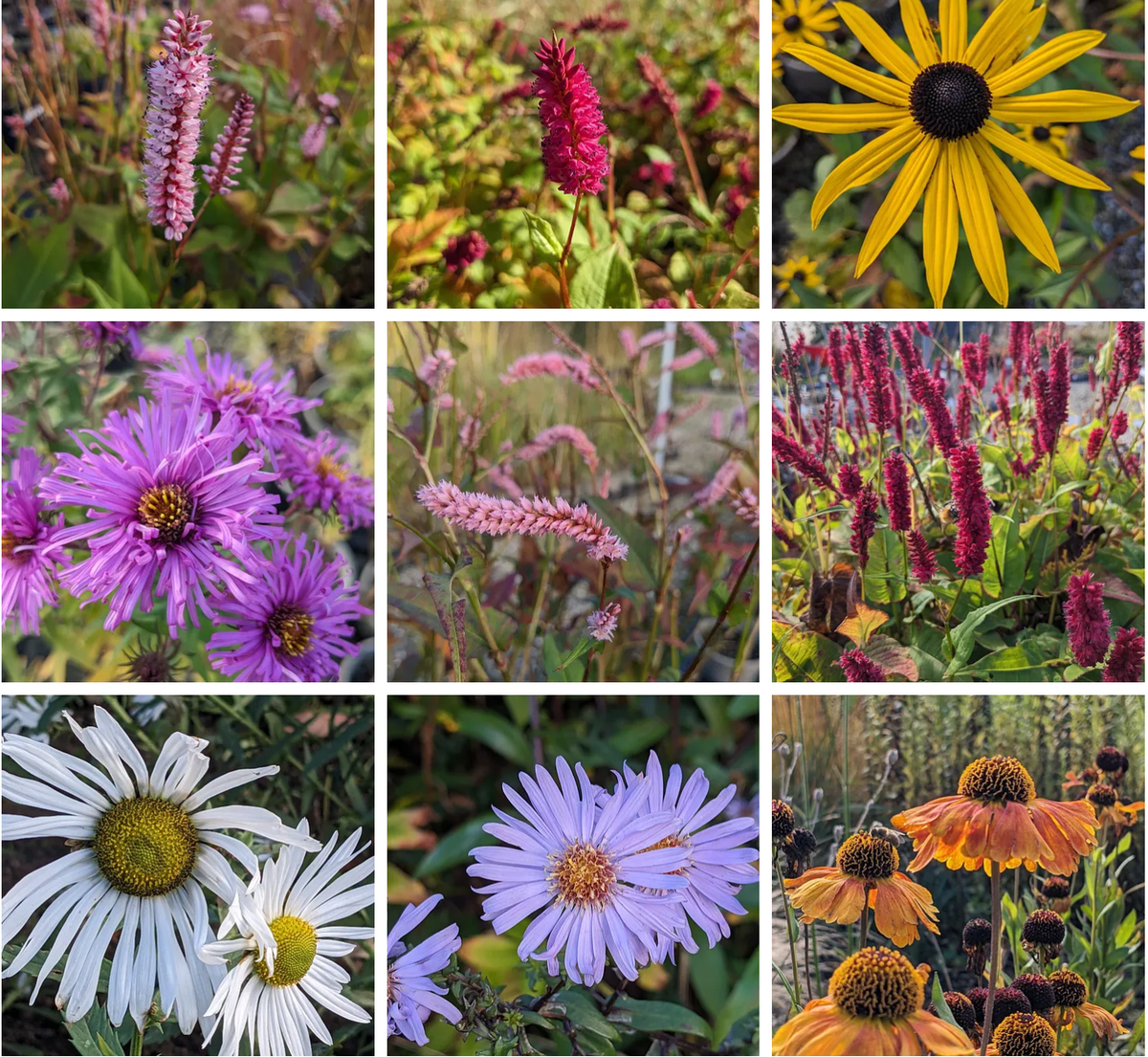
The stand-out plants in this late flowering group are the Persicarias. We included some of them in our display at RHS Tatton Show in July and here they are in late October, still delighting us. Others in this group are the late Asters, Rudbeckia ‘Goldsturm’, Helenium ‘Sahins Early Flowerer’ and the lovely, but rarely planted Leucanthemella serotina. (P.S. Anna and Anne have put together a special offer collection of Persicarias on our online shop).
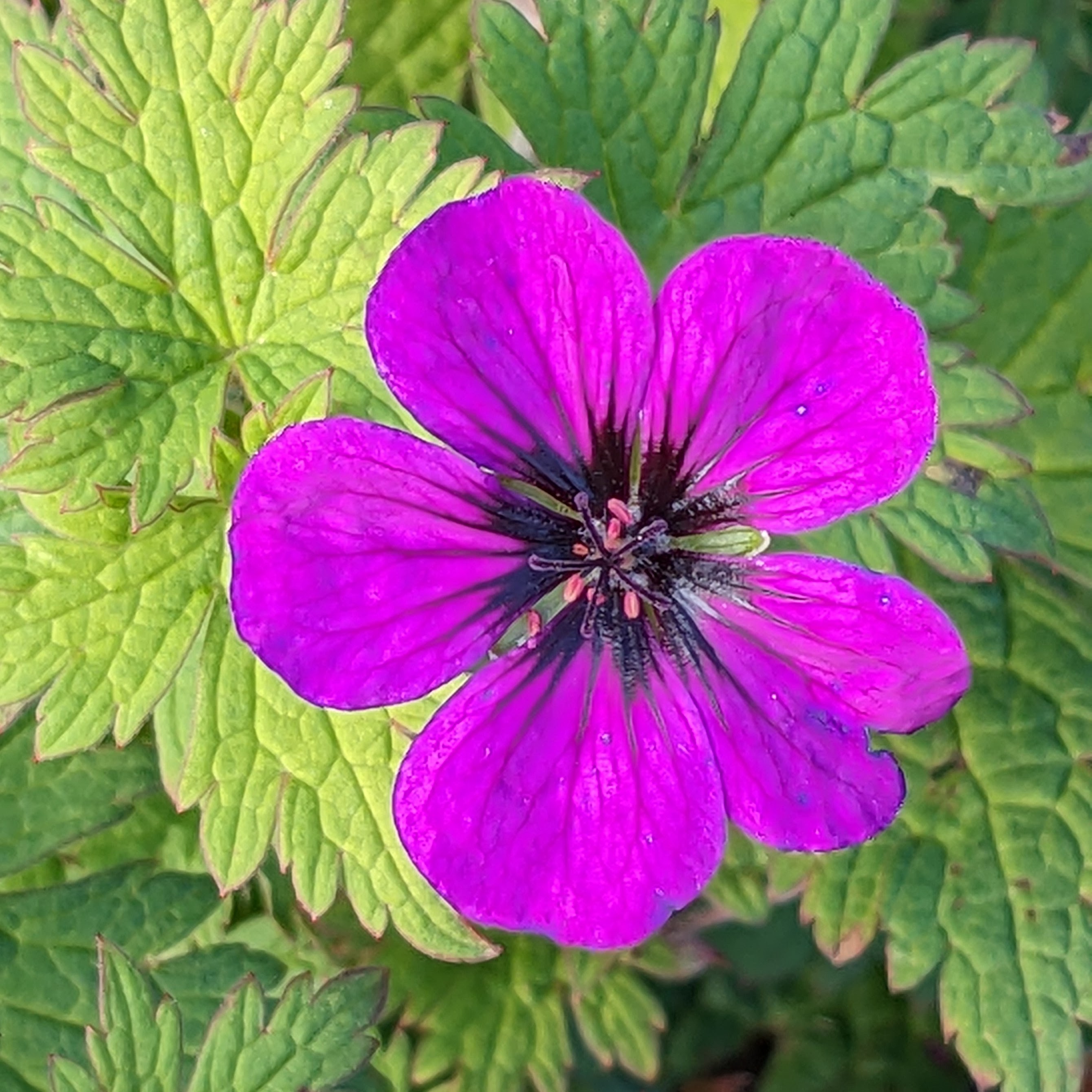
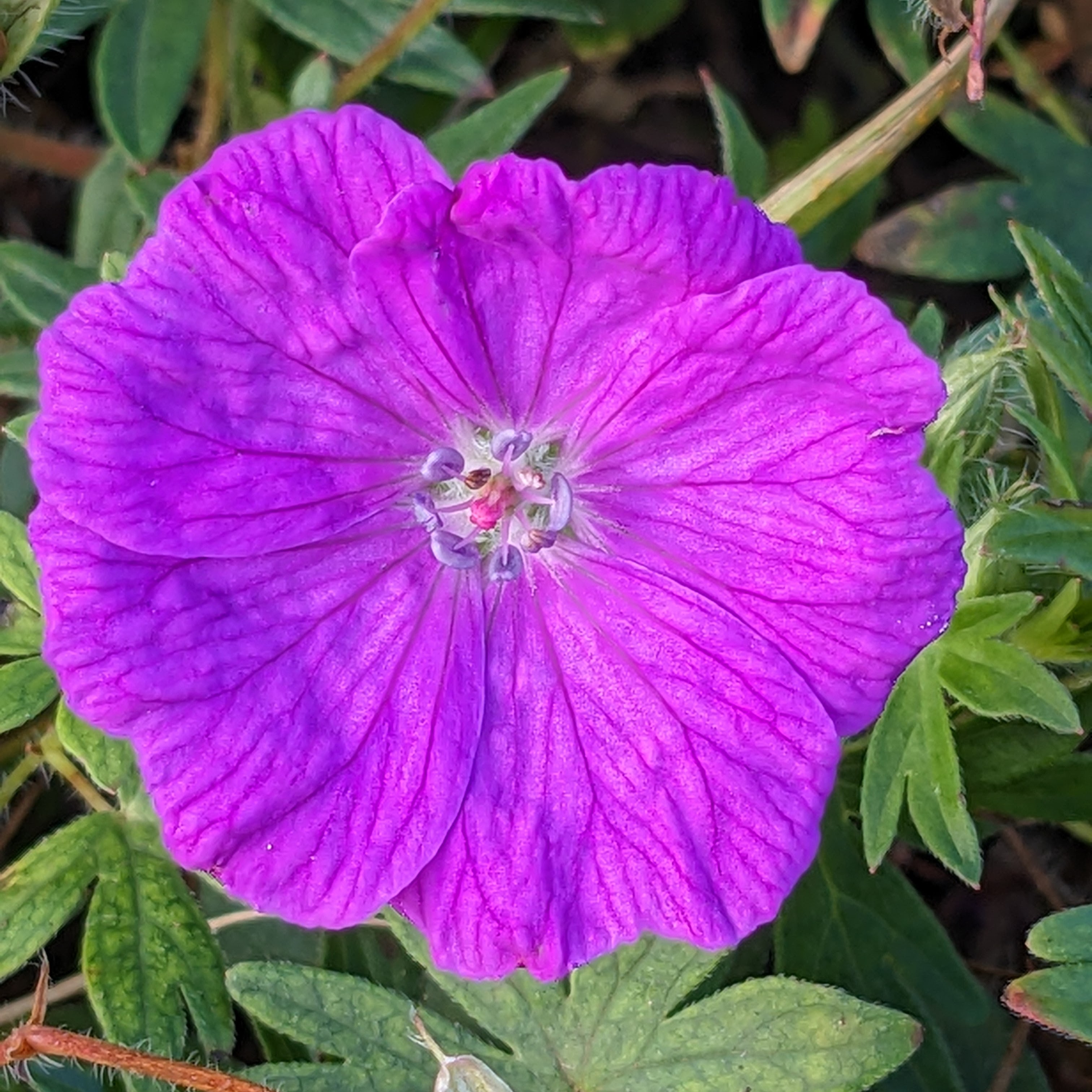
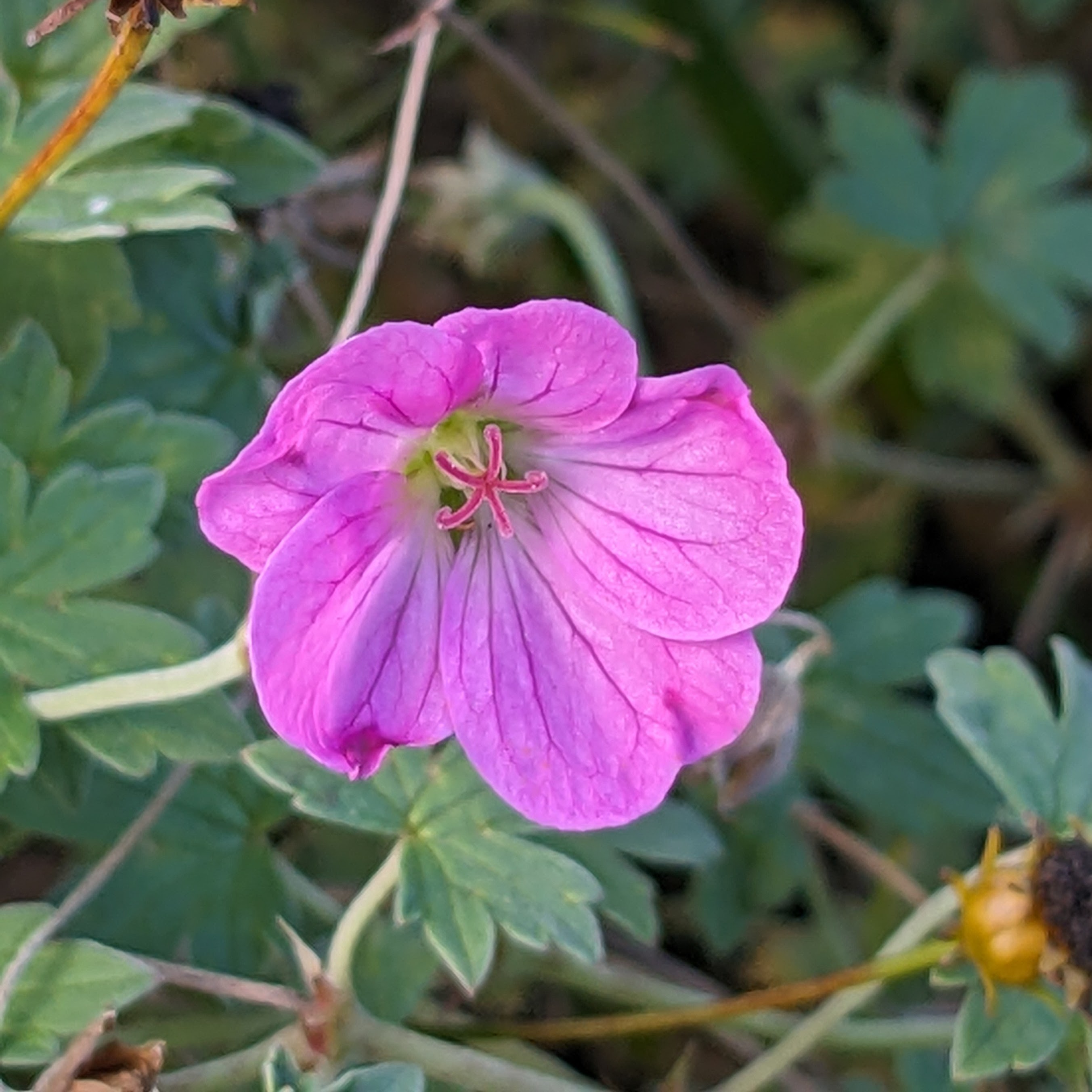
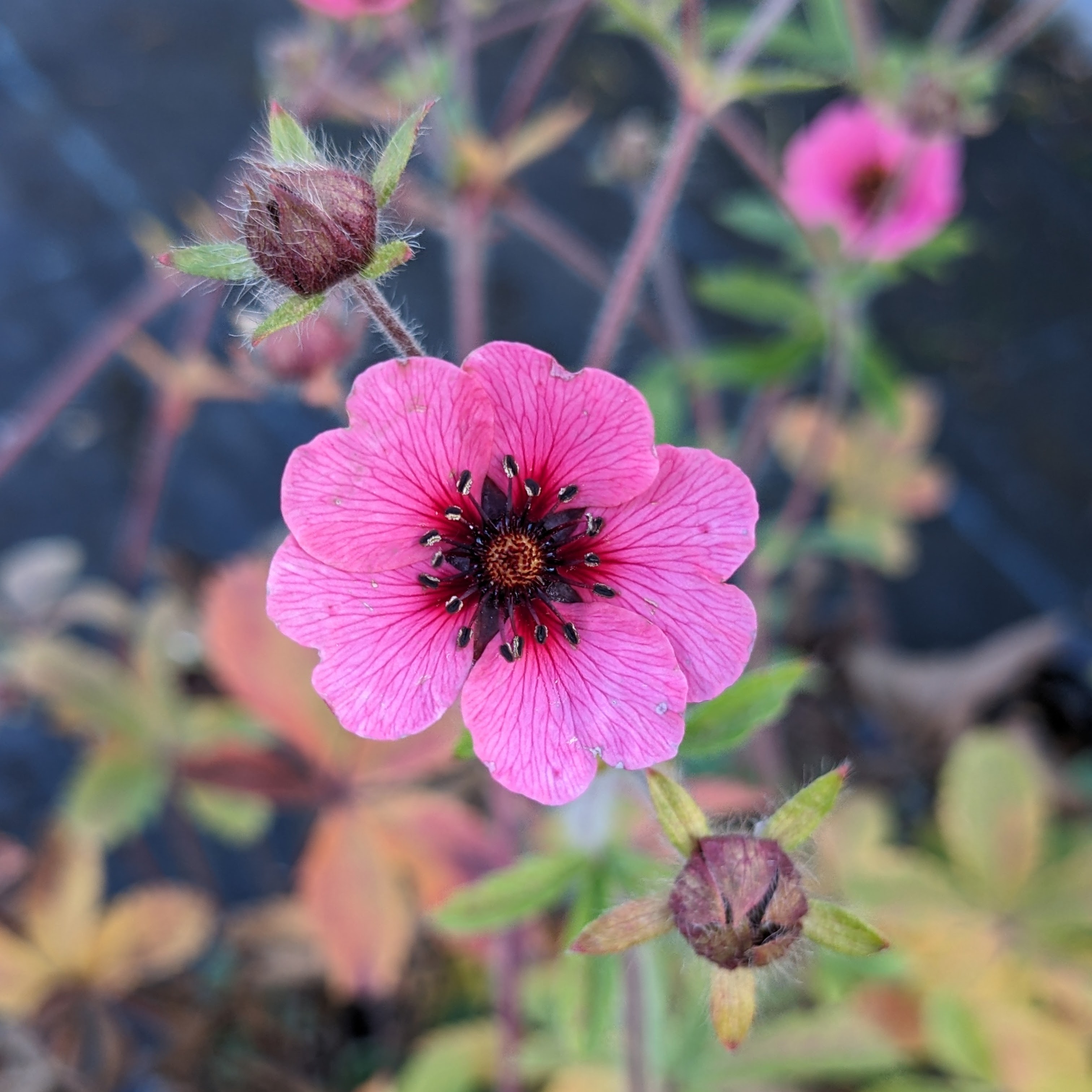
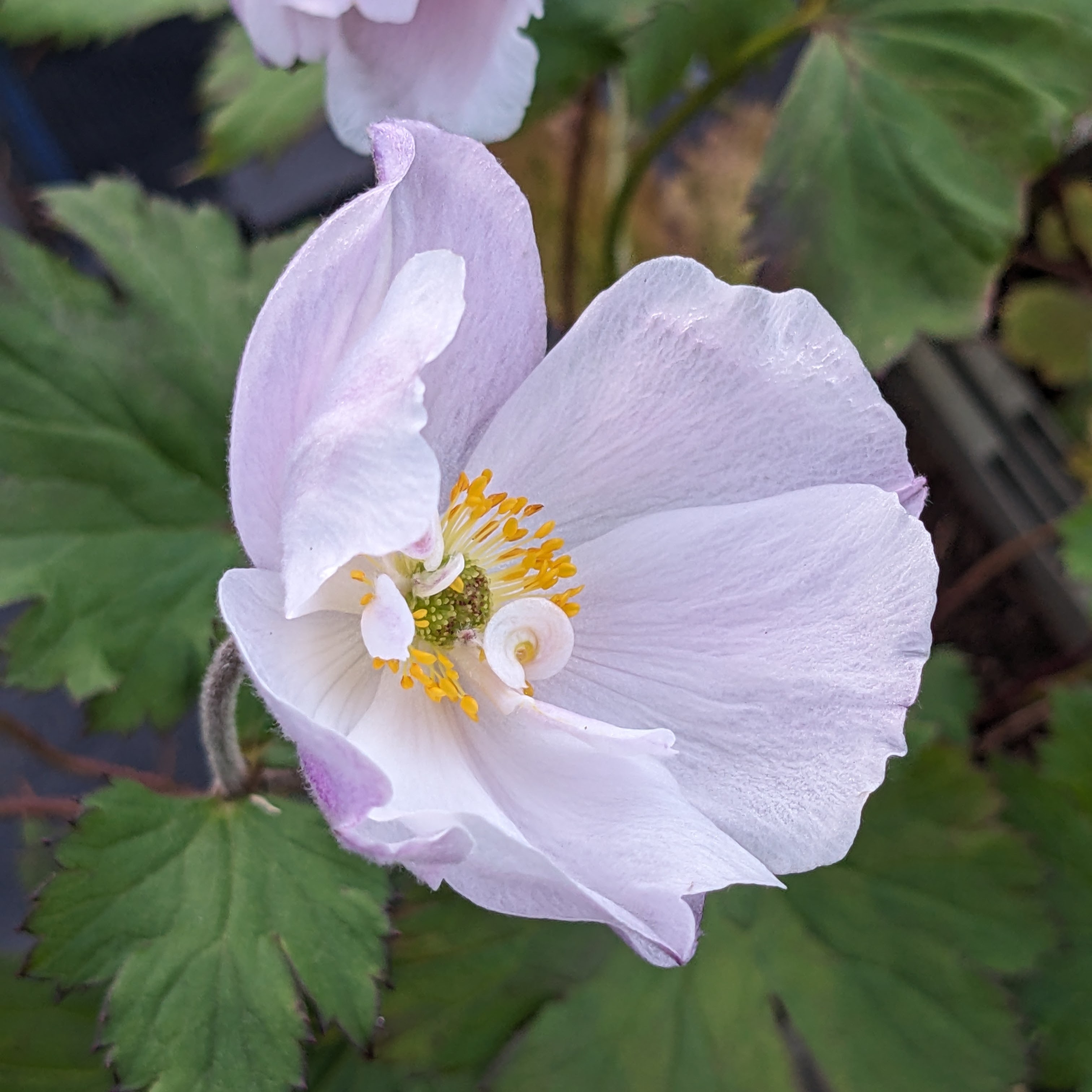
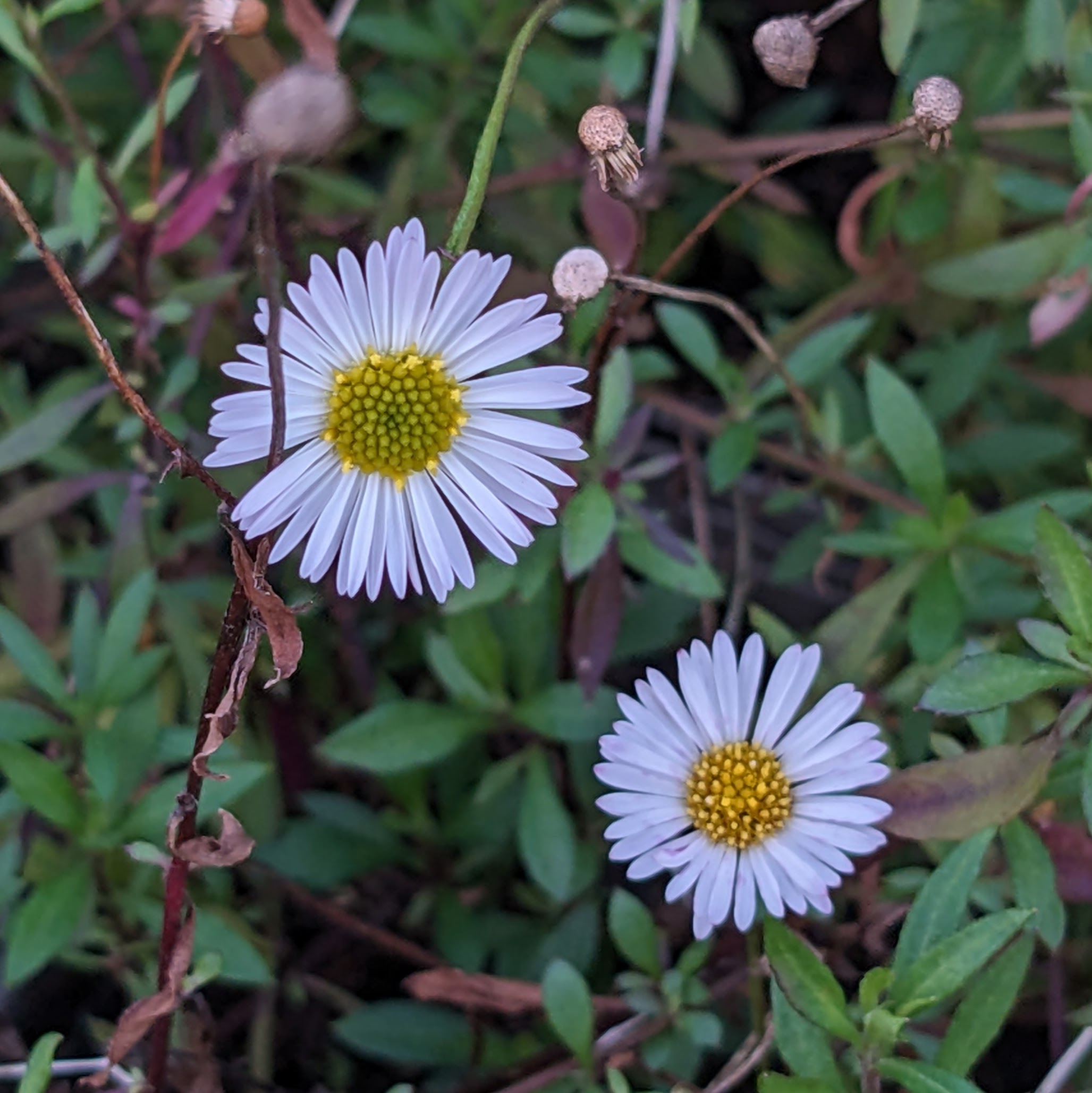
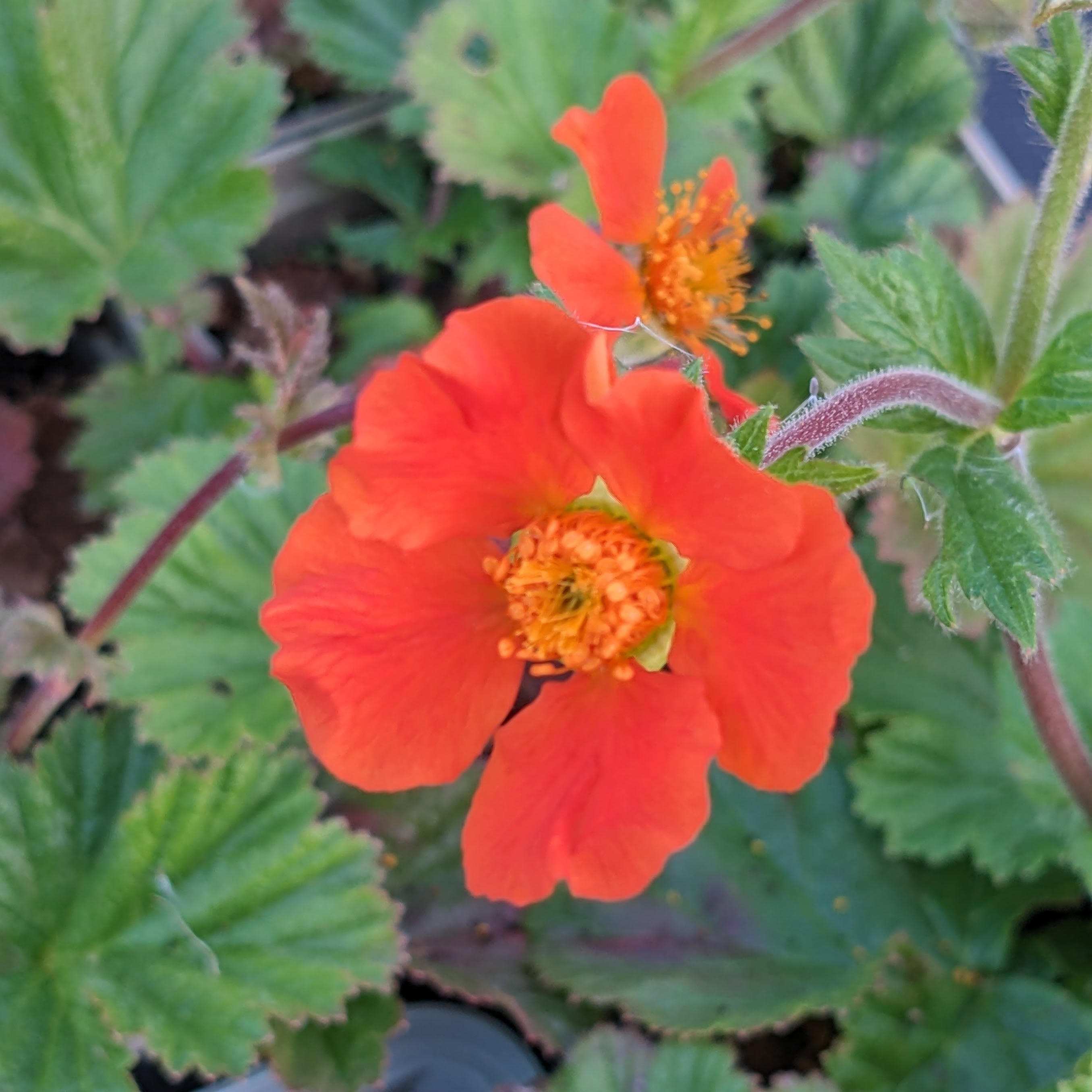
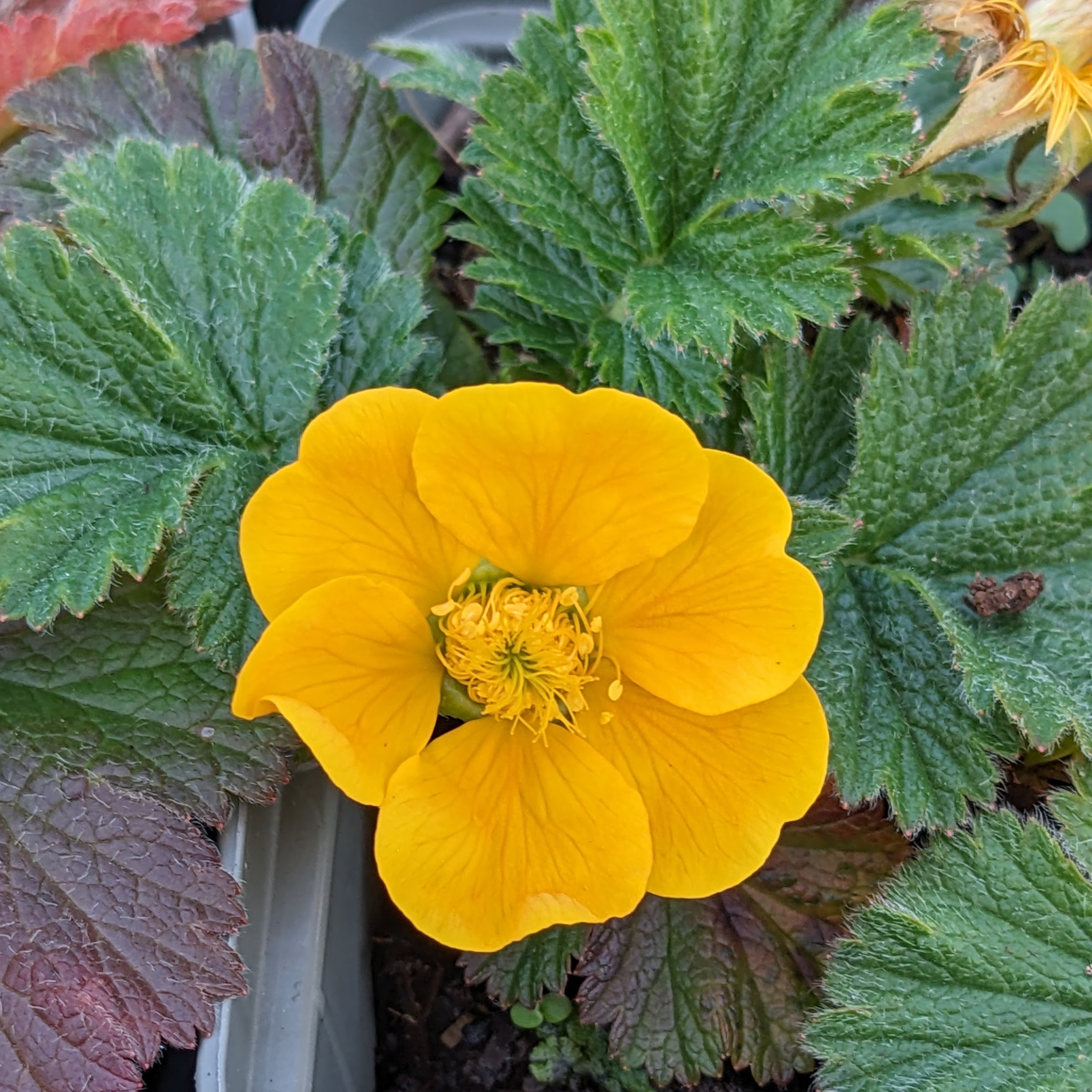
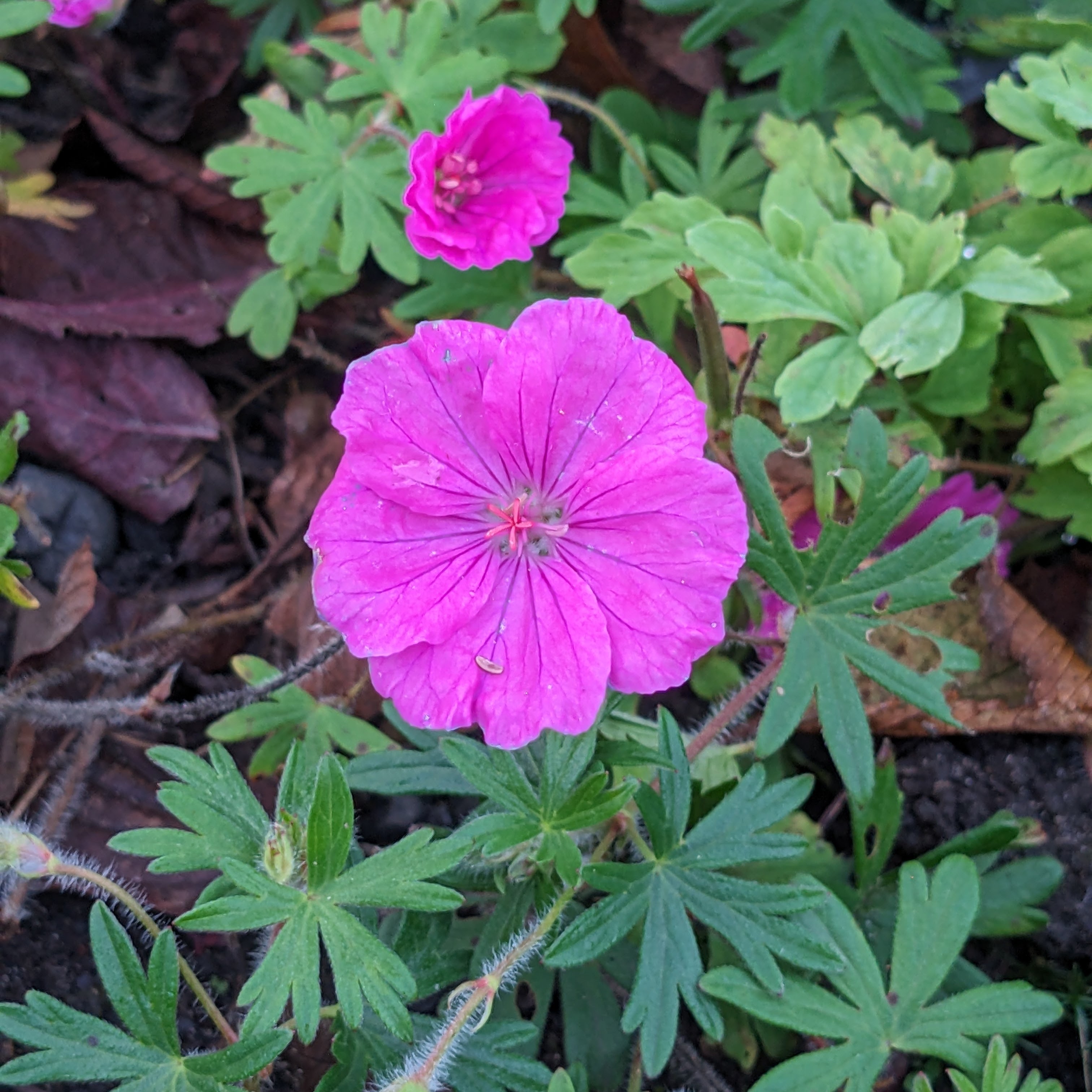
The second group are hardy plants that flowered earlier in the year, and will happily have another go if cut back and given enough rain. Geranium sanguineum varieties feature strongly and some of the Geums are putting on a fine second display too. Potentilla ‘Miss Wilmott’ has been flowering again since September, to my great surprise. Anemone ‘Dreaming Swan’ (centre) is one of Elizabeth Macgregor’s stunning introductions. It isn’t one of the vigorous A. x hybrida types, though it is in flower now, as they are. The petals have a beautiful purple reverse. We find it to be larger and tougher than A'. ‘Wild Swan’ which some people have trouble keeping.
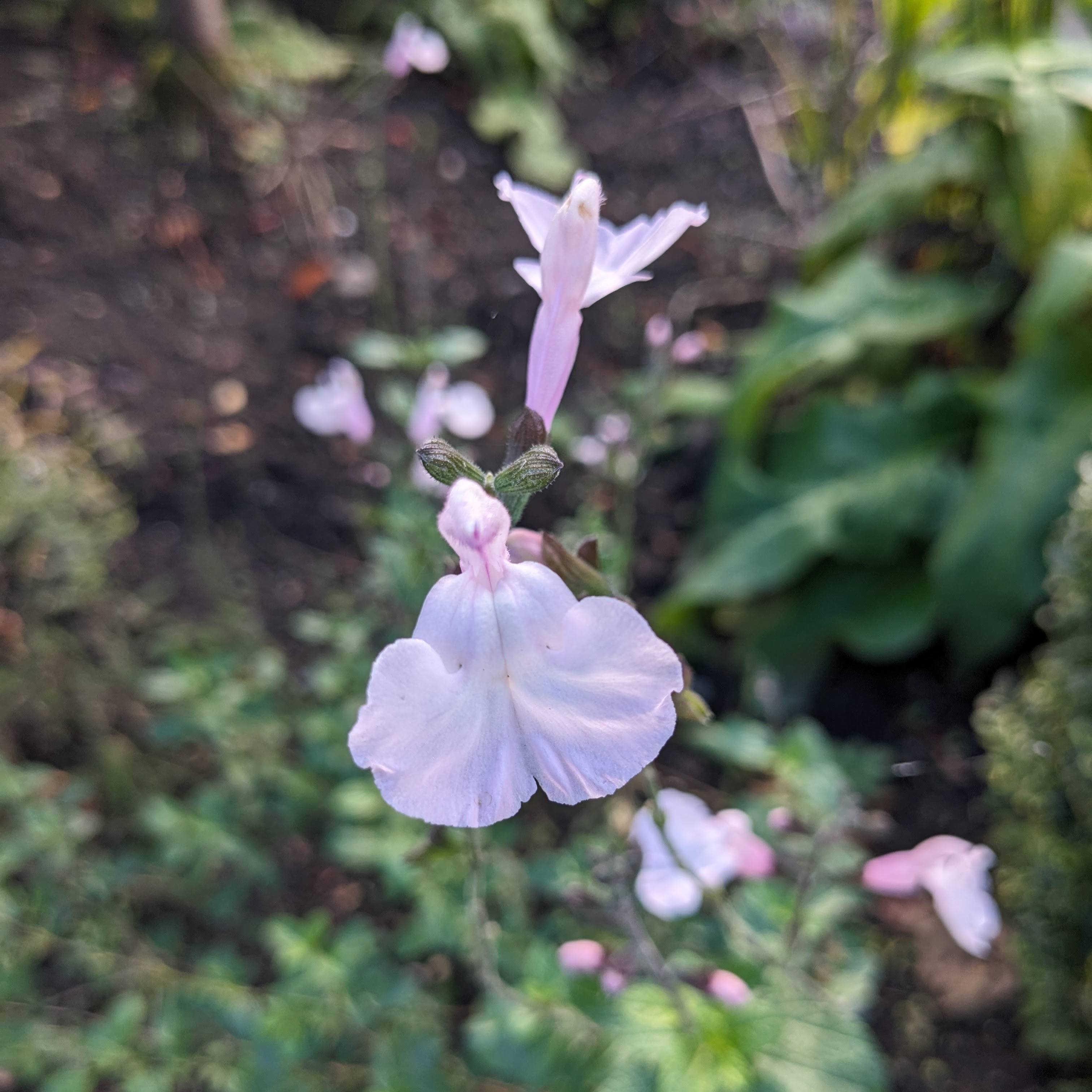
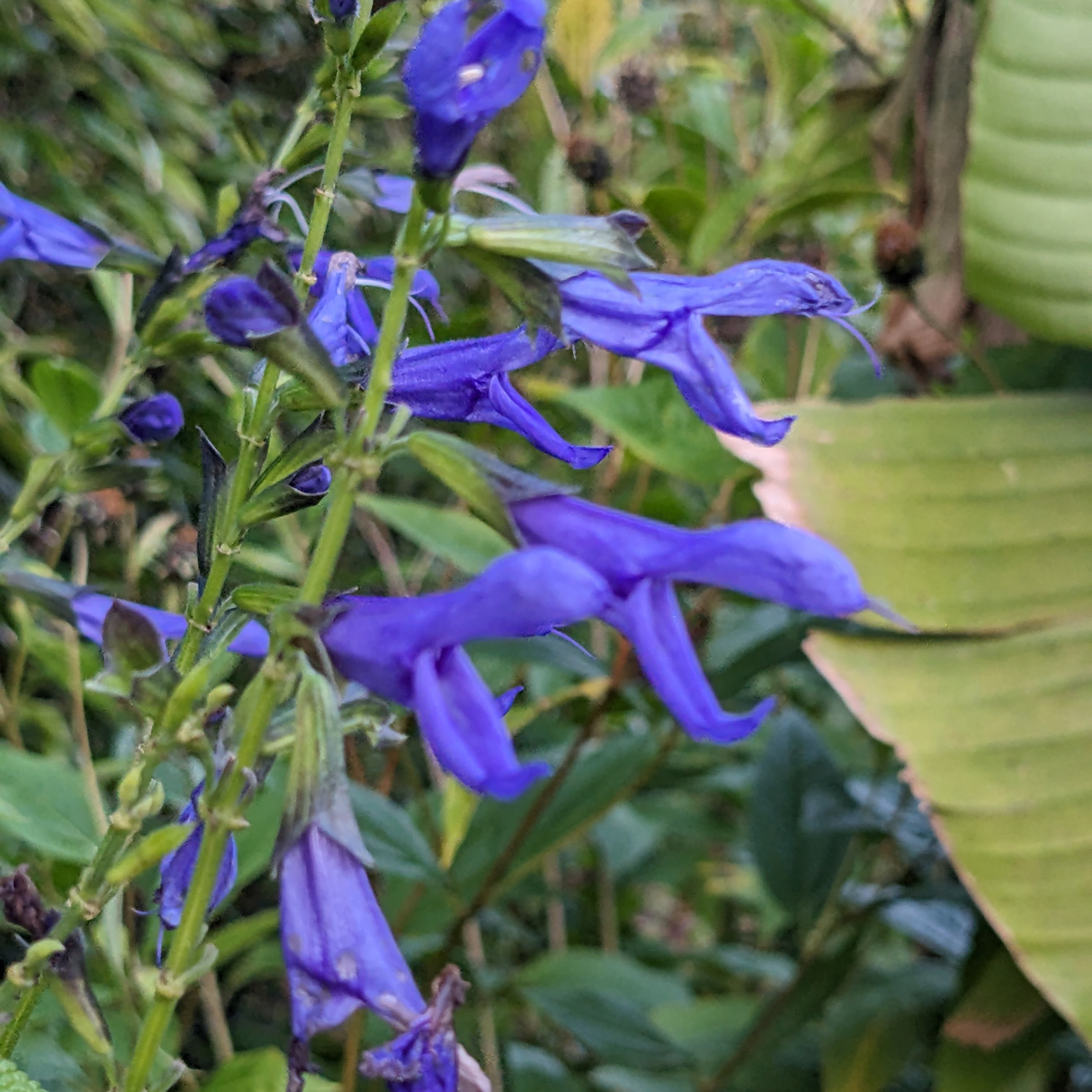
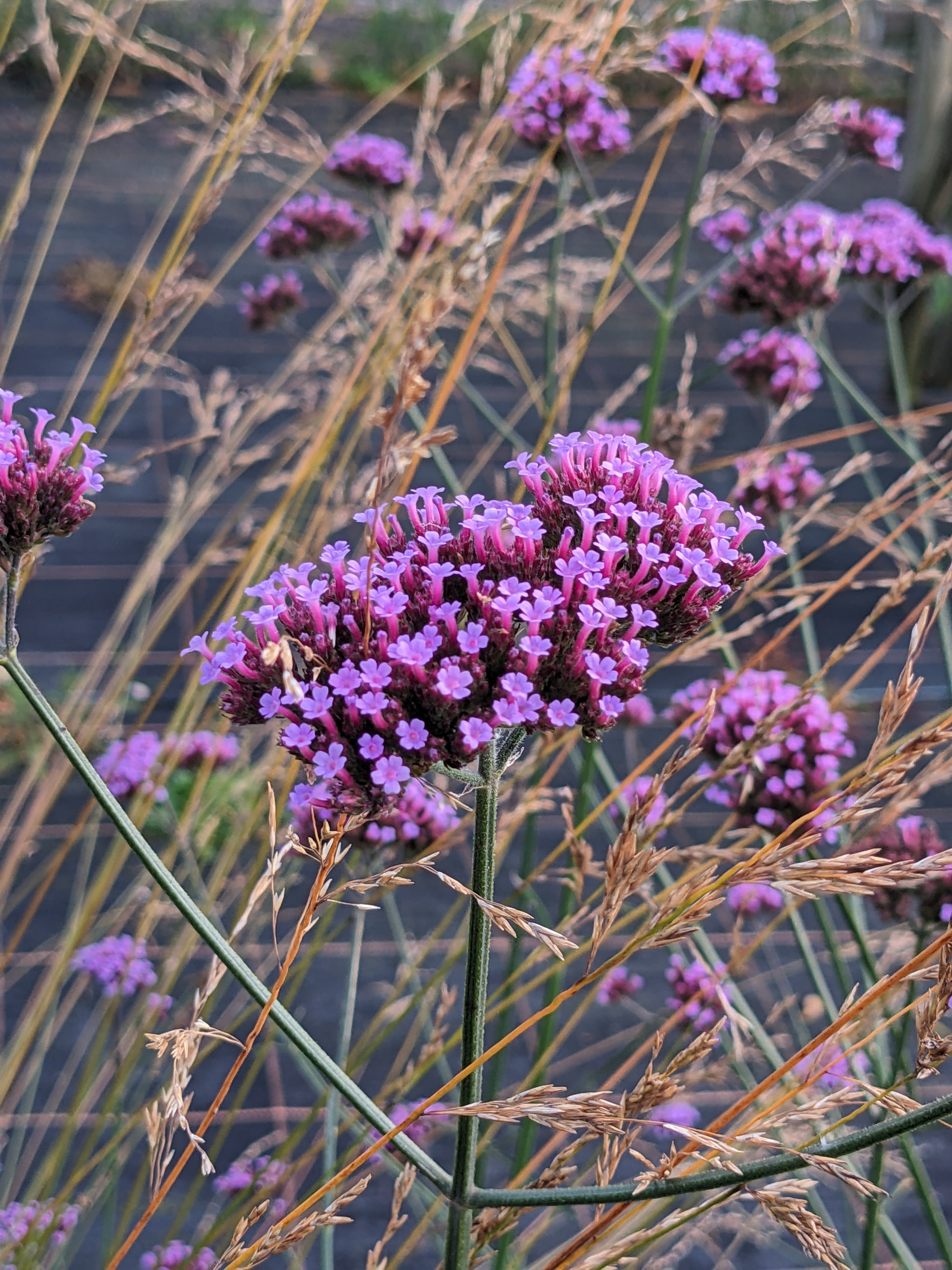
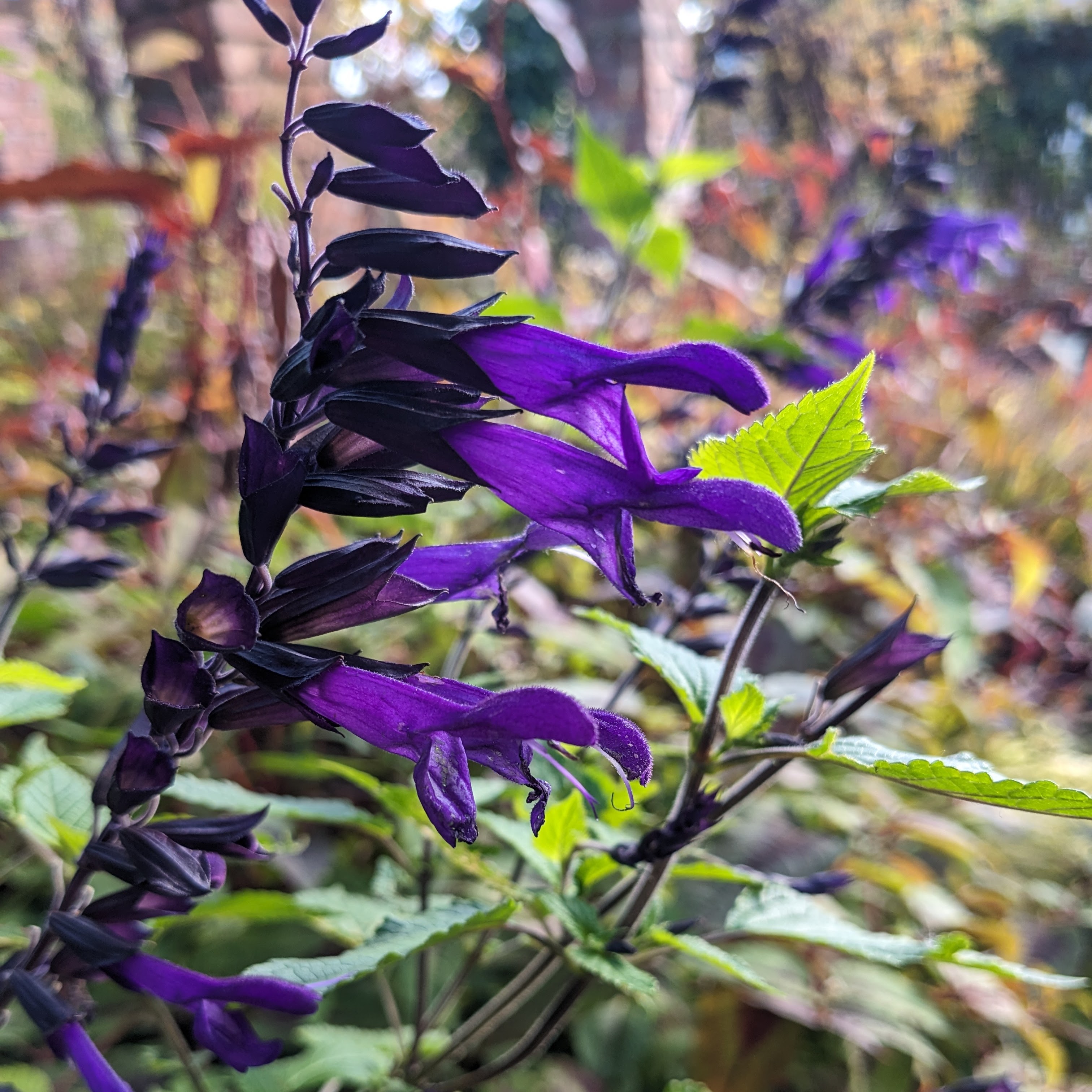
The third group have no hard-wired sense that winter is coming and will simply keep flowering, oblivious to the shock about to hit them. These plants typically come from regions where frosts are rare and winters are short. And so they keep flowering, making no attempt to prepare themselves by retreating underground, or shedding their leaves. These may or may not survive the winter, depending on how heavy your soil is, how cold it gets or your good fortune. Some customers hesitate to buy plants like these in June, knowing that they may not last the winter. Personally I think that almost six months of flowering for a fiver is a bargain, regardless.
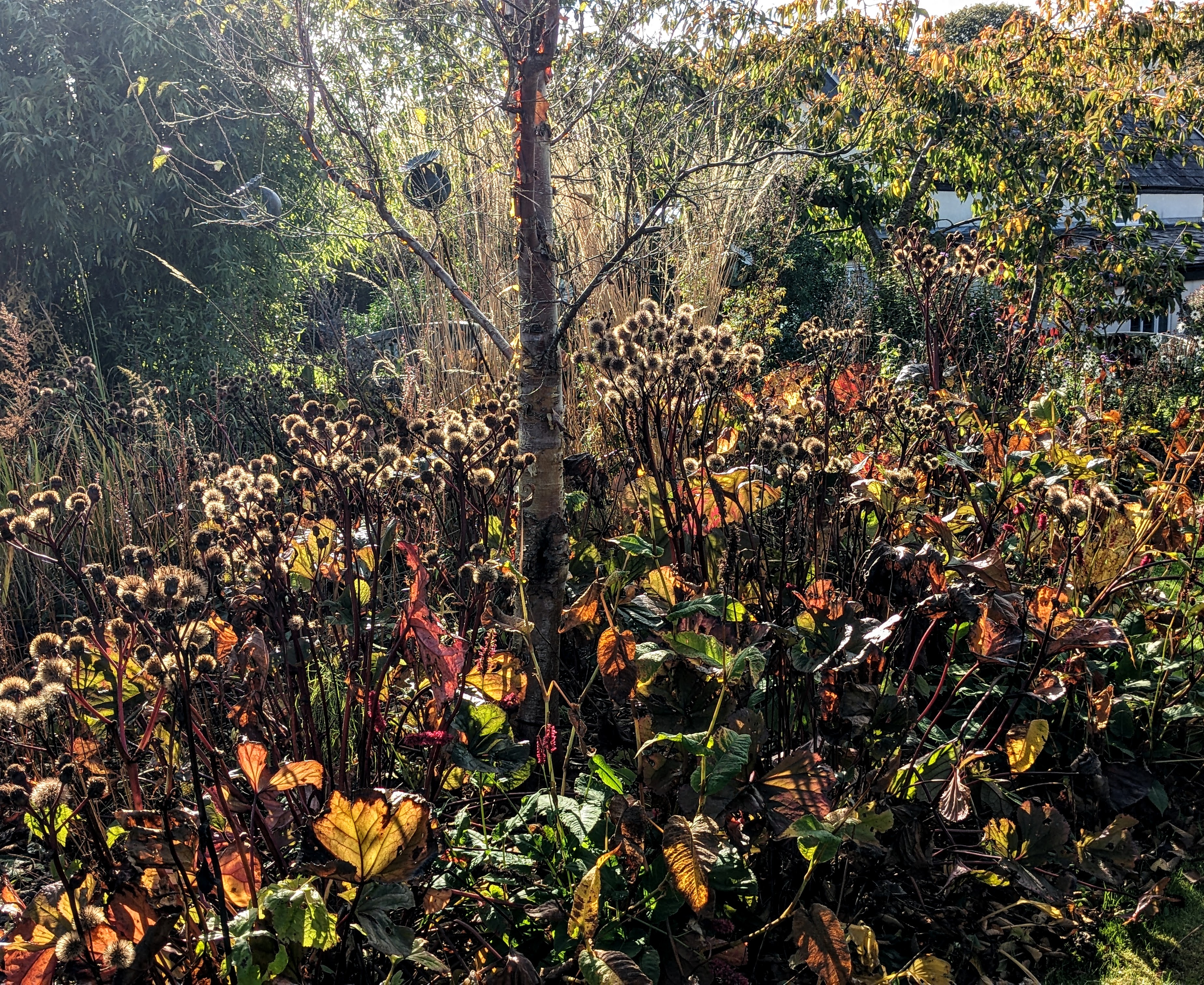
For an hour each evening we don’t know where to look, which back-lit border to delight in and try to photograph. But capturing this light it is impossible, though we can’t resist trying. A picture can’t convey the shimmering, the warmth and the ‘ptseeping’ of long-tailed tits in the trees behind us. Better simply to soak up the sunlight and just experience it.
Life is short and precarious, as any glance at the news reminds us. We can’t fix the world’s seemingly intractable problems alone, but creating a world of peace and beauty around our own homes seems to me a very good start.