Trouble in the bluebell woods...
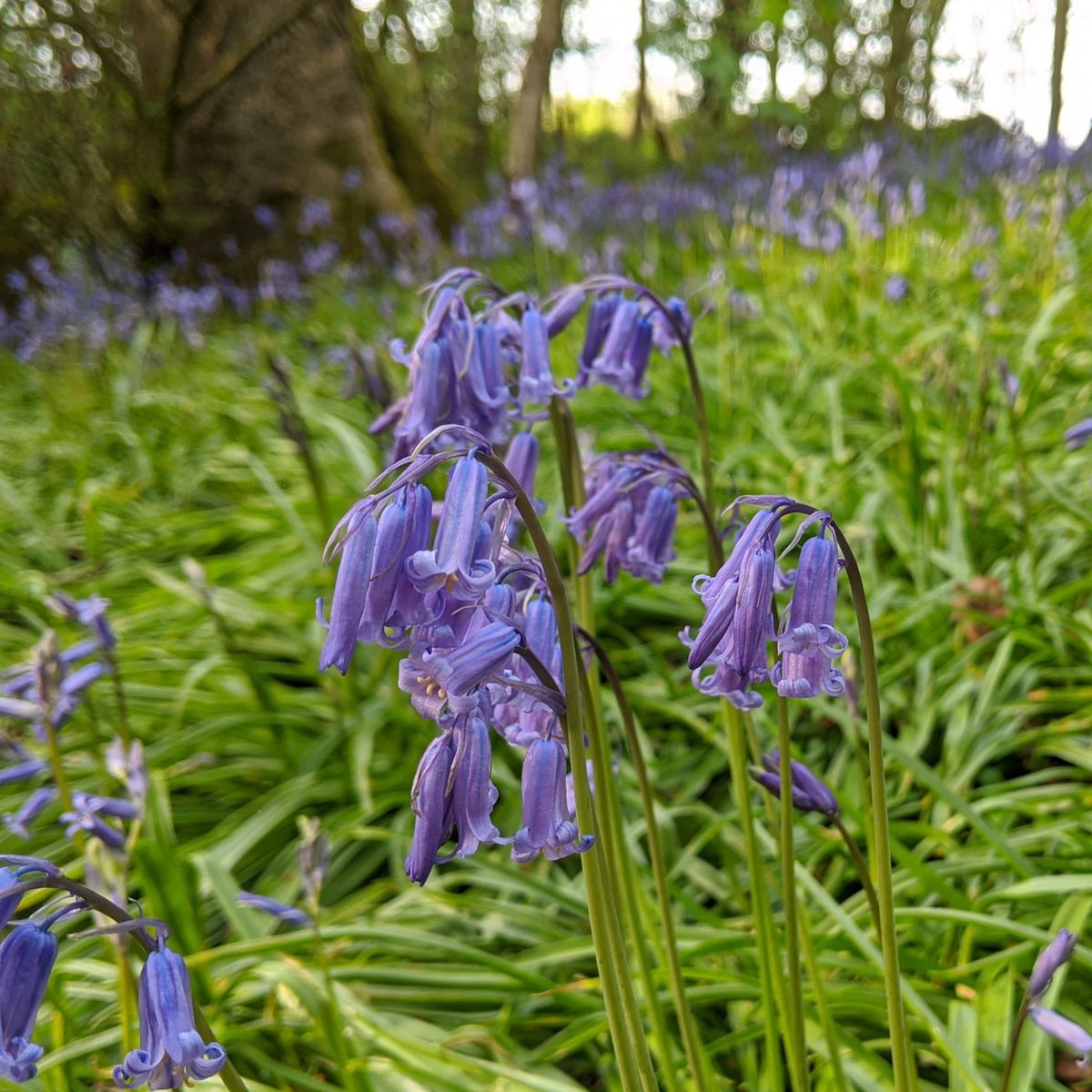
Our problem in the bluebell woods arrived much as Ernest Hemingway once described bankruptcy. Slowly at first and then all at once.
Four years ago at the height of the pandemic, a huge beech tree in full summer leaf came down in the middle of the night, in a June storm, crashing through the canopy and ripping down the young trees in its path.
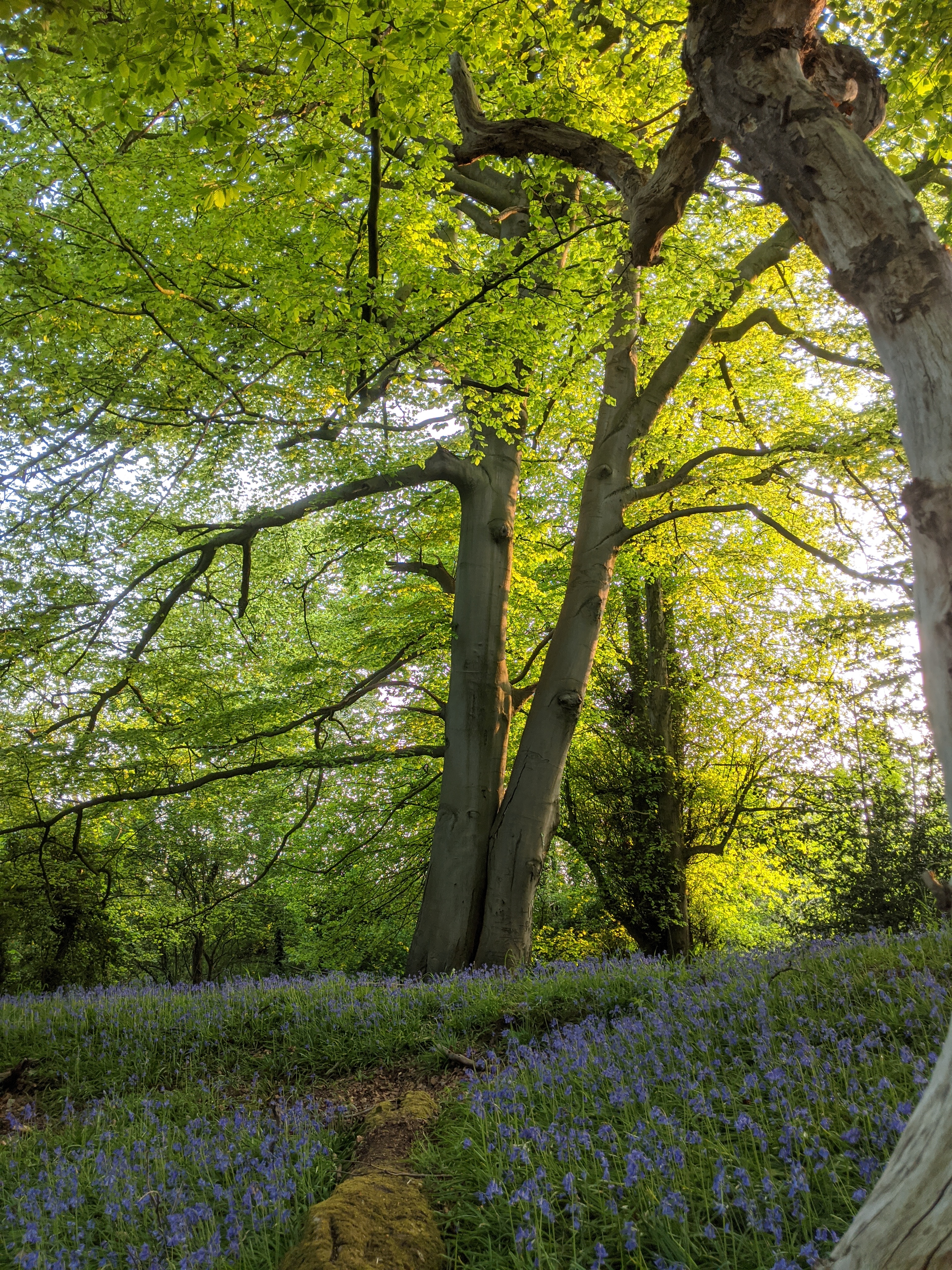
It was the right hand one of this pair that fell, a few weeks after I took this picture. You can see the ominous looking crack, close to the point where it touches its twin, near the base. A tiny, brave, or perhaps oblivious bird had built a nest in the moving, creaking gap. I sat and watched from a respectful, cautious distance as it darted in and out. The tree was plainly unsafe, but we had no visitors anyway, under pandemic rules. The woods had never looked so perfect, so sublimely beautiful.
It is a mind-bending scene to see a truly massive tree freshly fallen, to clamber around among crushed and broken branches that only our resident rooks had seen at close quarters until then.
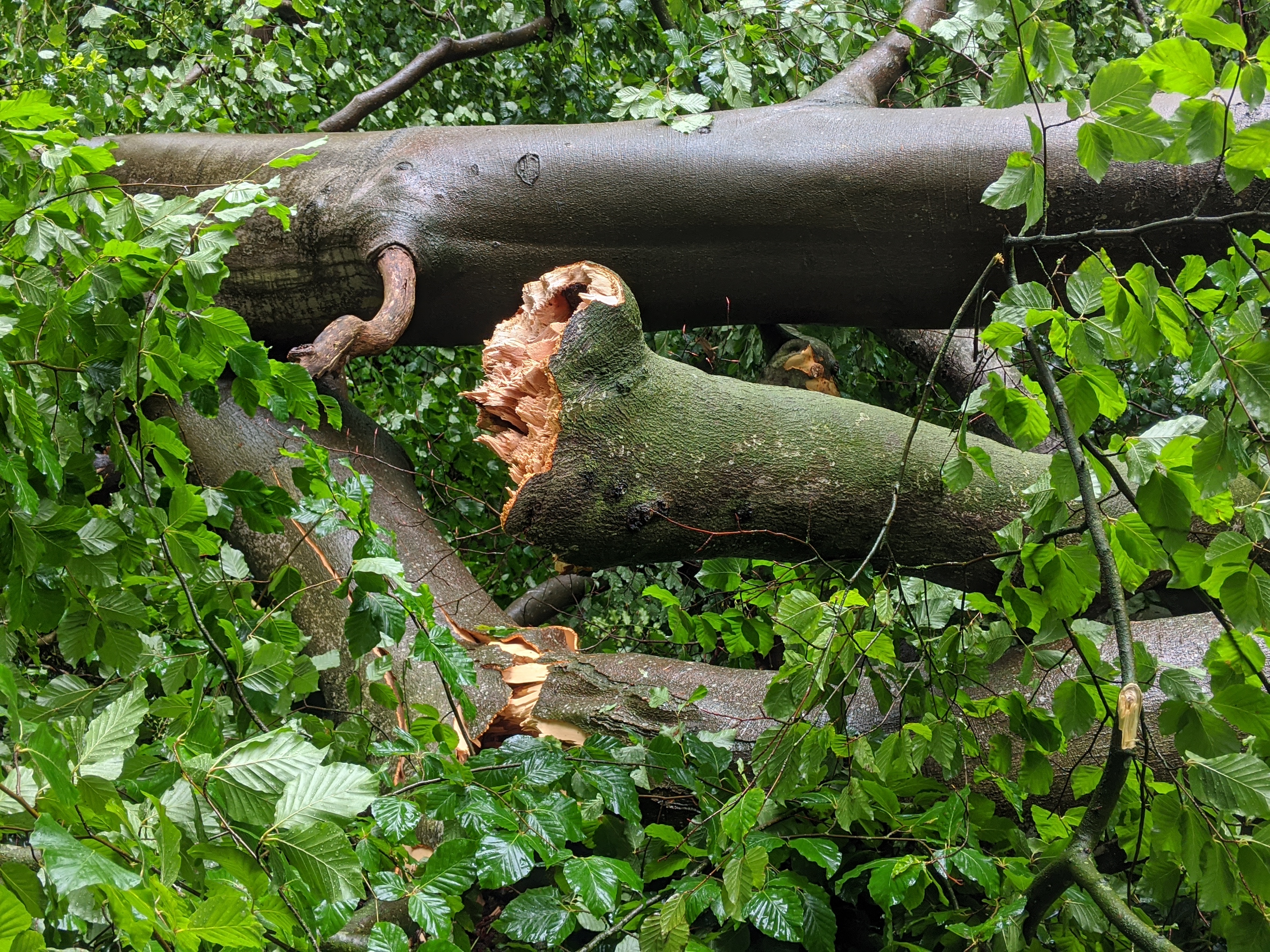
I ran my hand along its greyish, smooth bark, marvelling at its bulk, its intricate, extraordinary engineering and rueing its untimely end. Individual limbs lay tangled under the main trunk, looking disturbingly like the smashed limbs of some huge animal. But the loss of the tree was only the opening salvo of a much bigger onslaught.
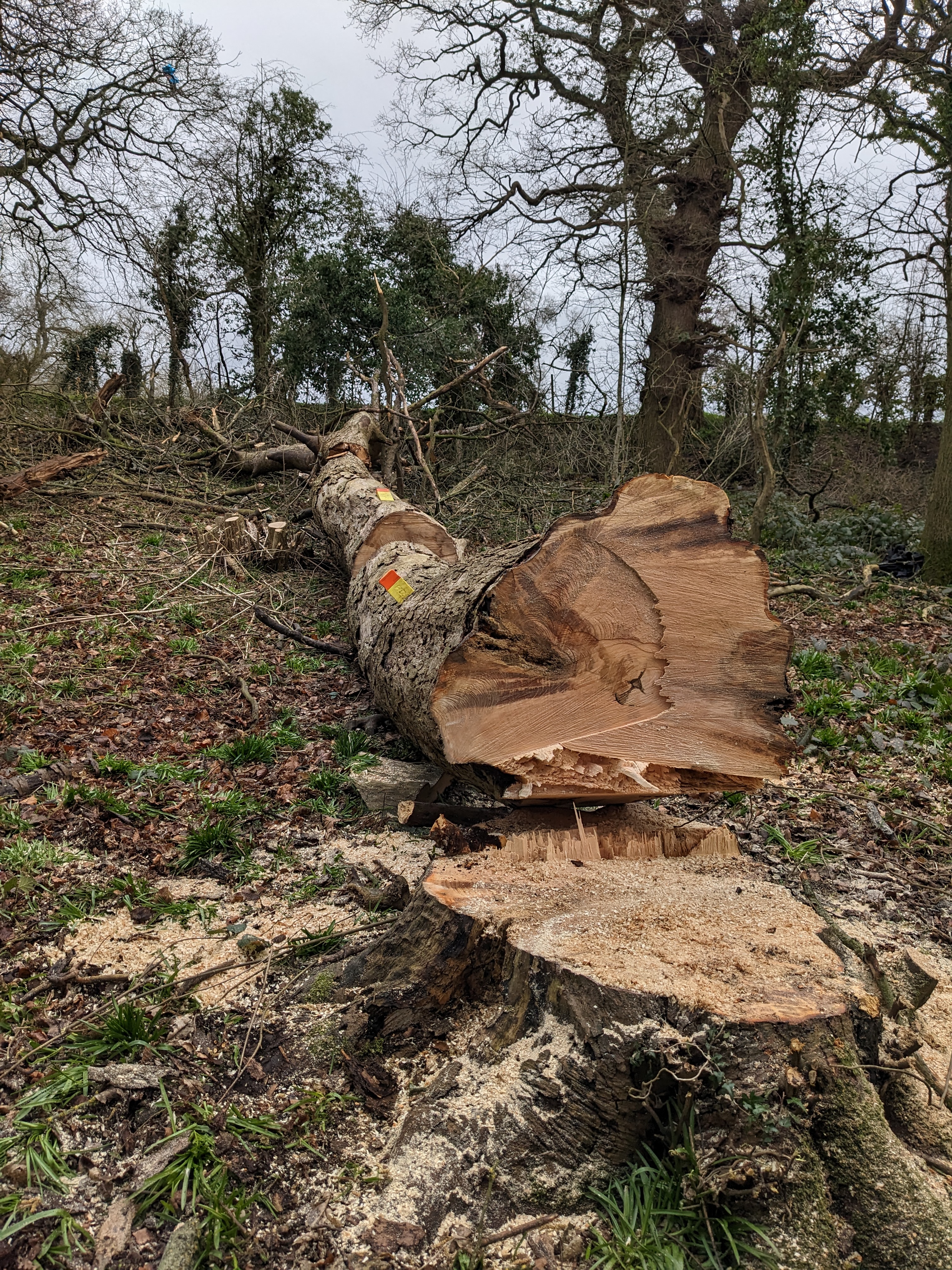
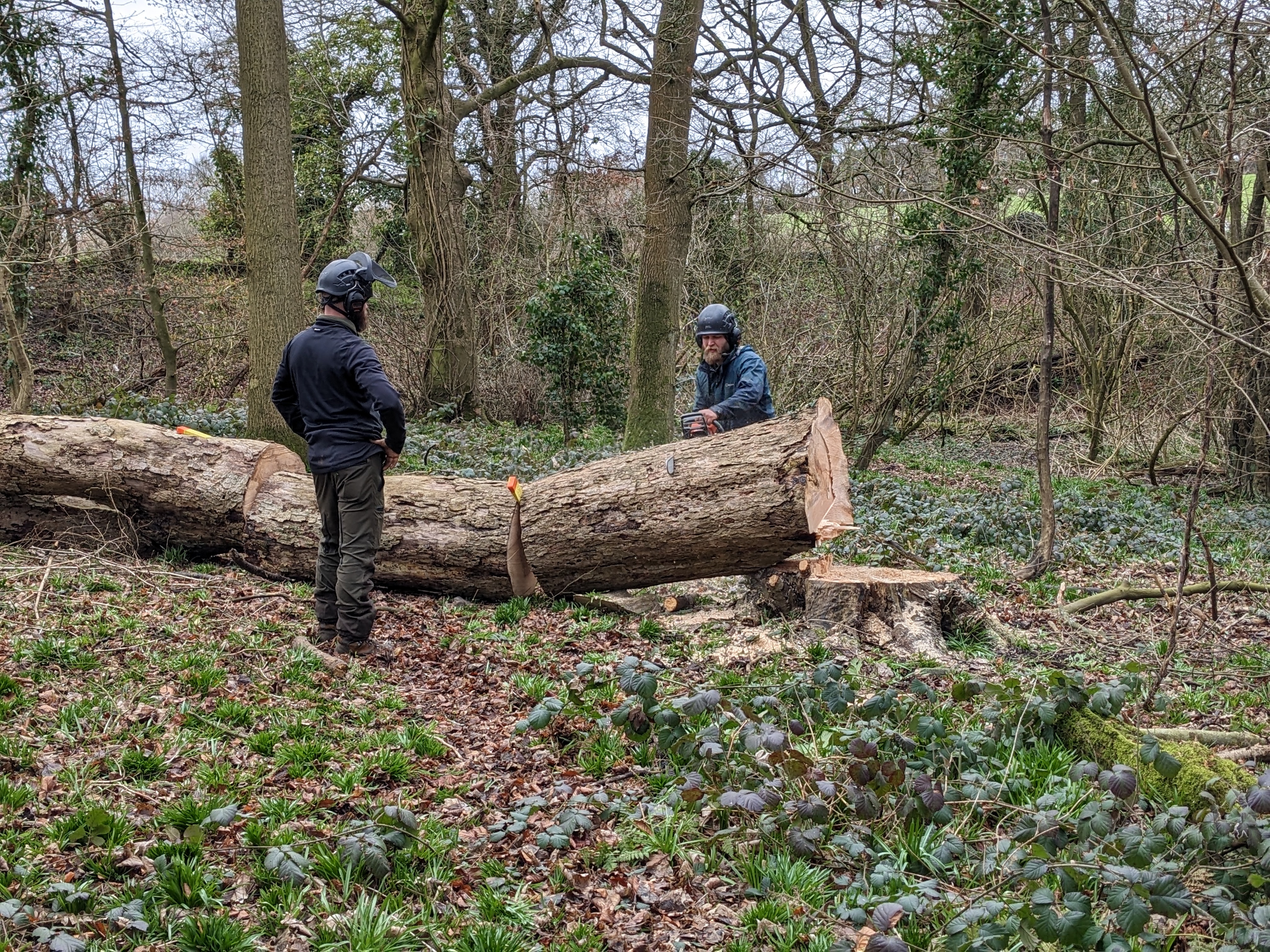
A year later another tree had to be felled, only a sycamore this time, plainly dying and therefore cut down for safety, but this time expertly dropped between the trees around it. We had it cut it into sections and left it to decay where it fell, as we always do.
Do you see the problem yet? No, neither did we….
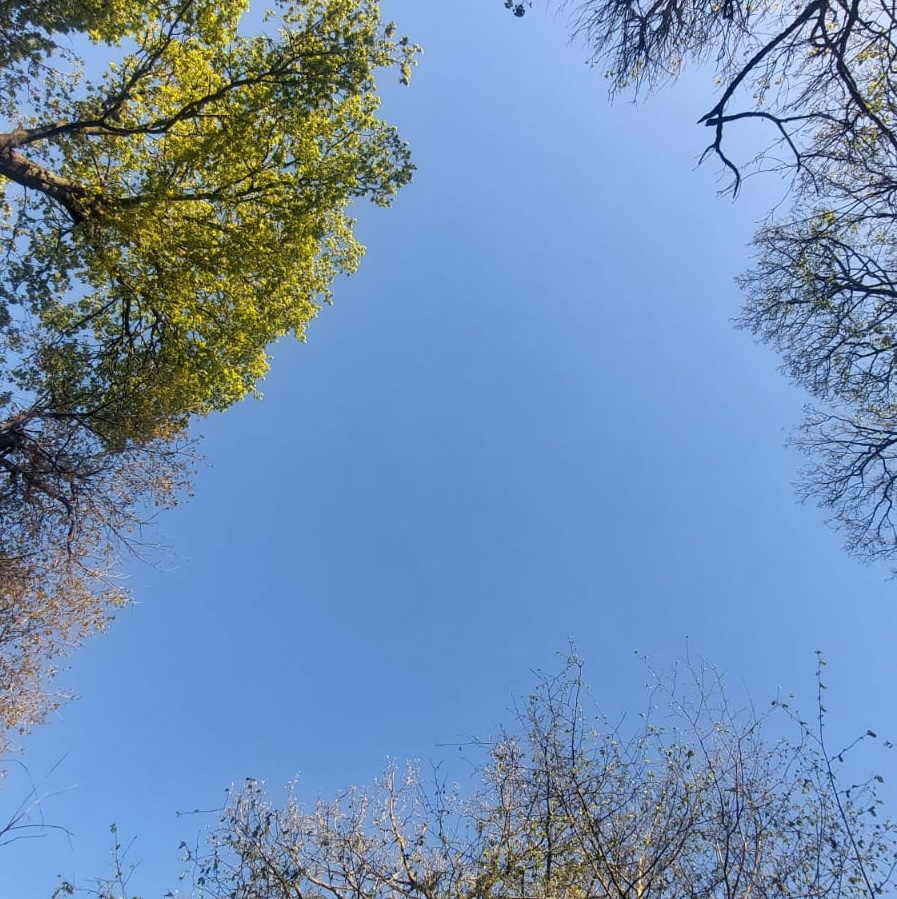
But the following spring we knew we had trouble. Clumps of grass and brambles were appearing everywhere, where there had been none before. And the woods were strangely sunny now: where the trees had once been, two huge holes gaped in the canopy above.
Look back at the picture of the twin beeches above - see how shady it is beneath? Now sunlight poured in and the normally low-lying, quietly lurking brambles were springing into life.
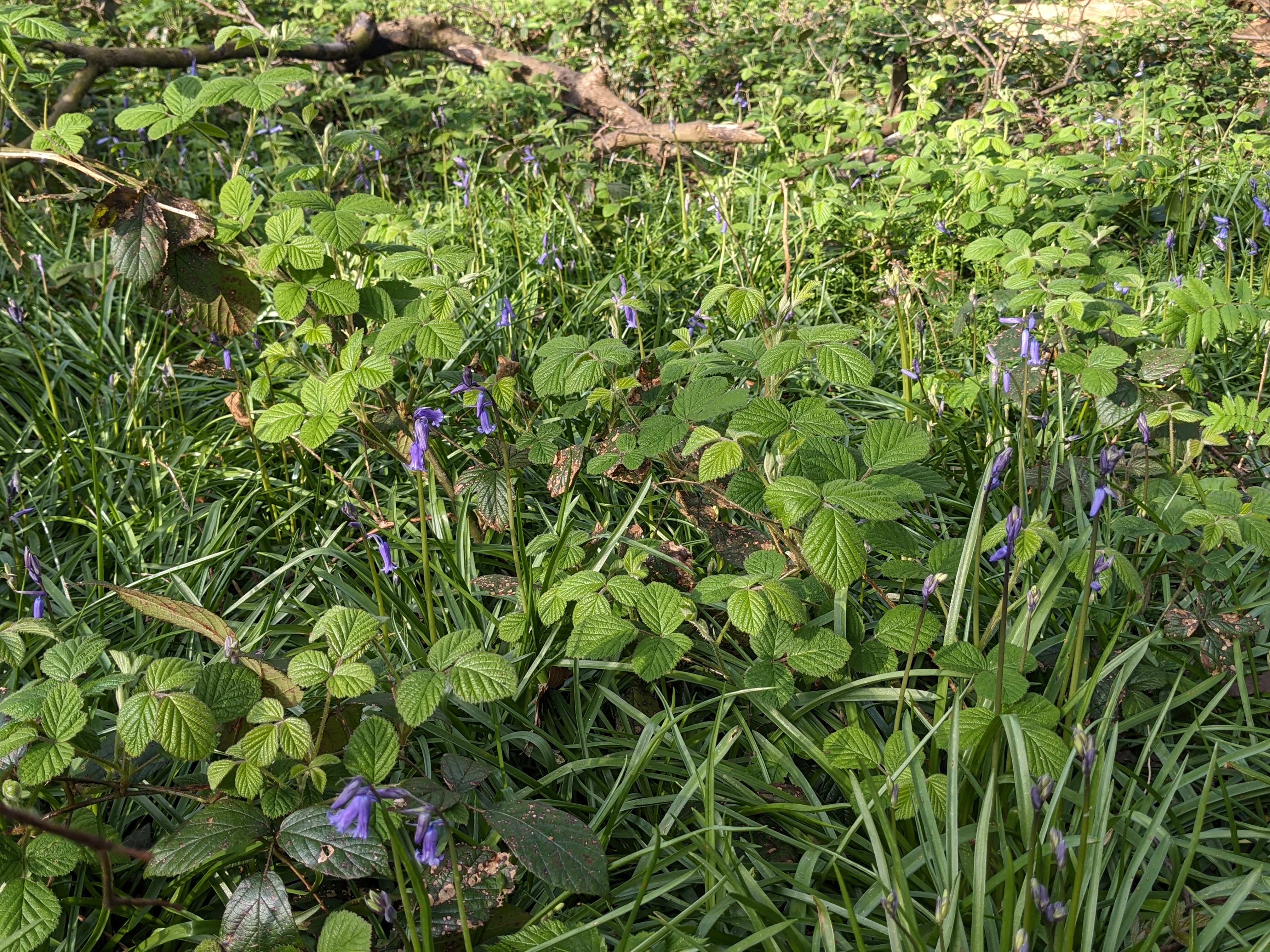
In places there were more brambles than bluebells. We spent a day pulling and digging them out in one small patch to keep the path clear, but once the bluebells had finished we closed the woods and left it alone, as usual. Perhaps a mistake, but we are just too busy in summer to spend time working in the woods.
We assumed, I think, that the canopy would close quickly and normal order would be restored.
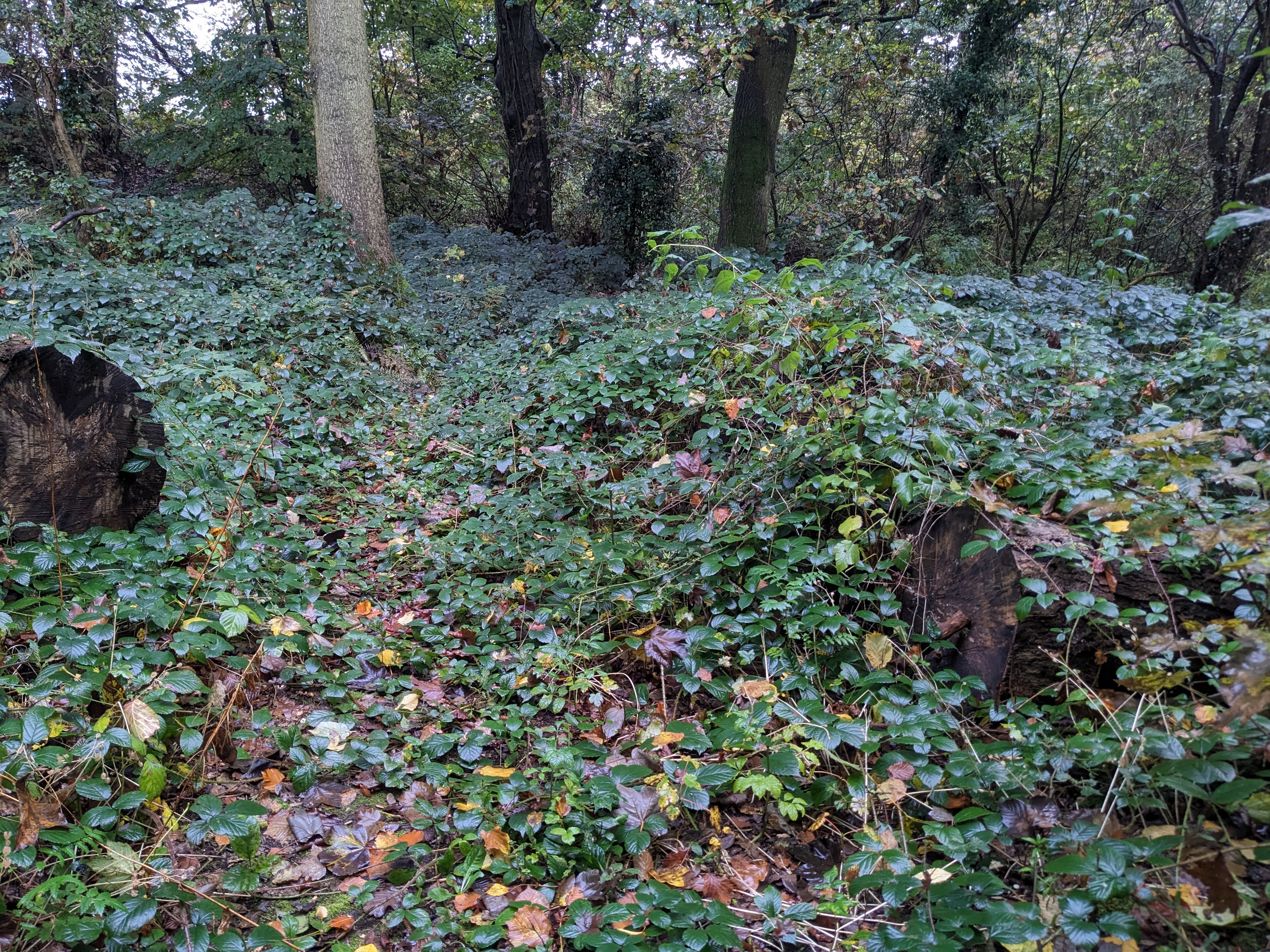
We were quite wrong. This year brambles have had the woods to themselves all summer and taken advantage of the freedom and the light, romping wherever they please. Huge areas of the old bluebell woods are now completely covered in brambles to waist or even head high.
This patch of woodland will have seen it all before, of course, and recovered eventually. So what we should we do? Close the woods indefinitely and let nature take its course, or intervene to try and redress the balance? We took advice from two woodland experts. The answer was clear. In the absence or something to eat the brambles, such as deer, or boar, the brambles will take over. So do their job and get rid of the brambles. Right….
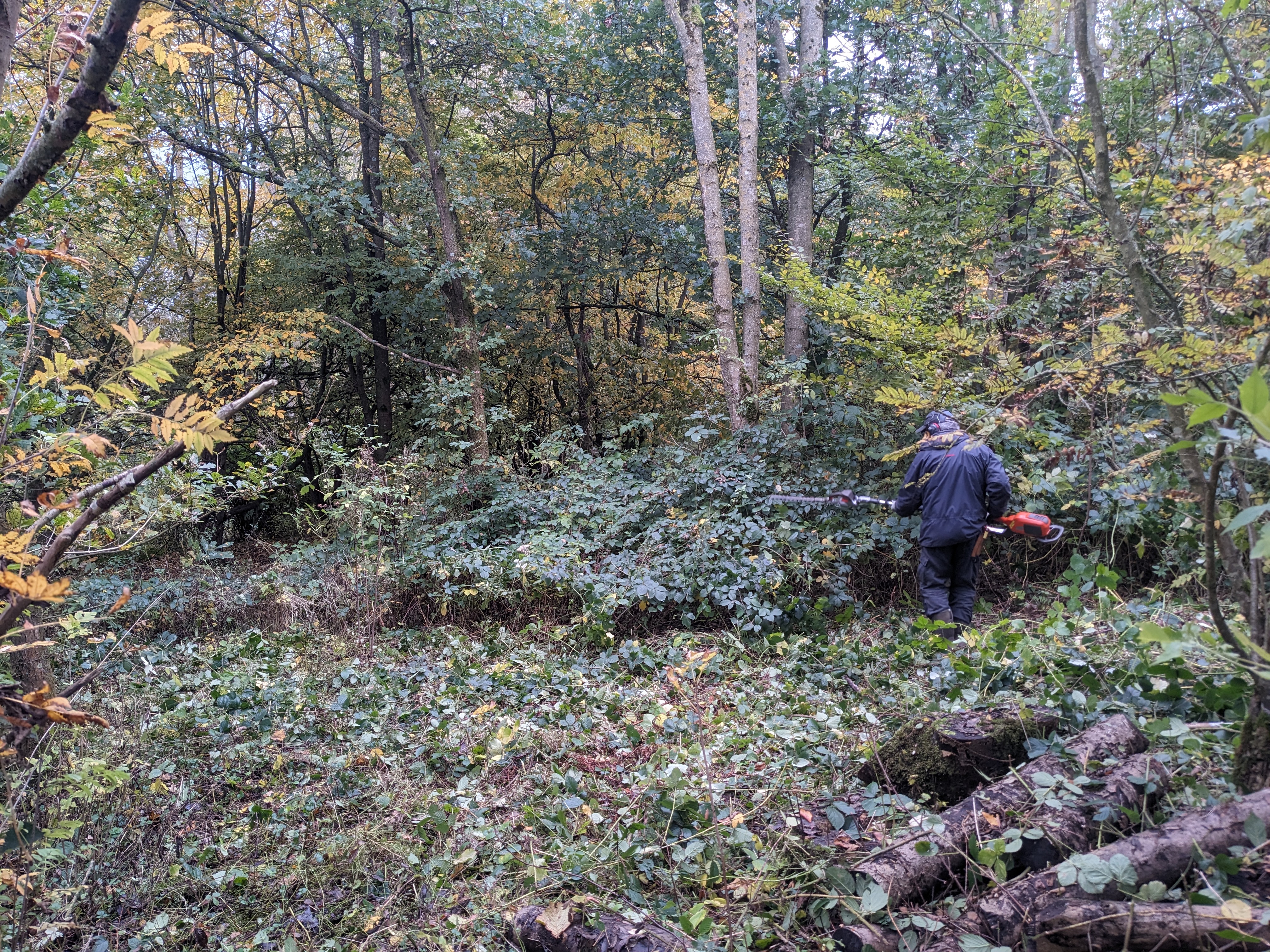
And so today we made a start. Steve went ahead with the hedge trimmer, slicing them off at ground level, me following behind with the loppers dragging them out onto the field. By the time I took this photo, we’d been cutting back for two or three hours. The area nearest the camera was shoulder high with brambles before we started.
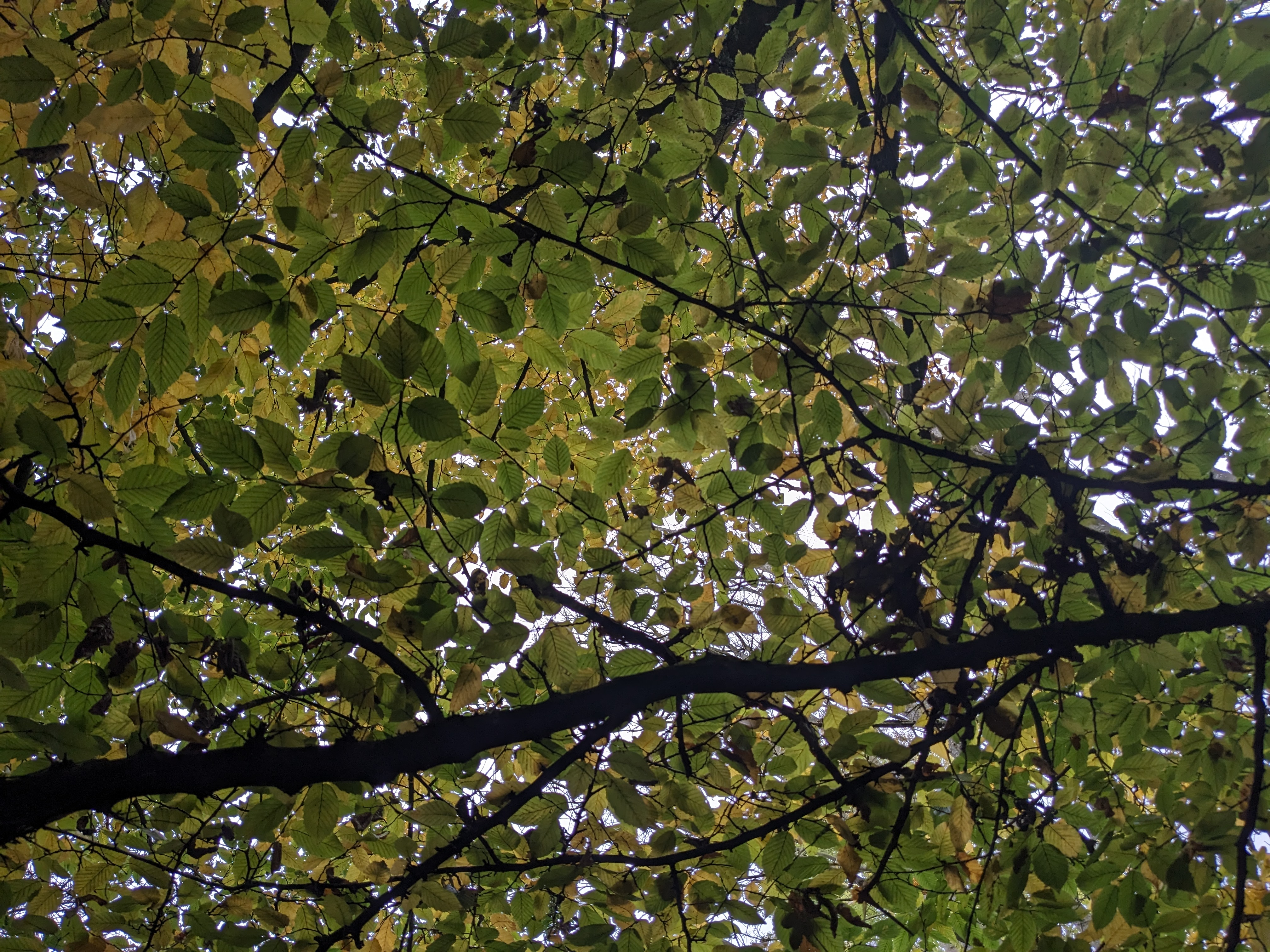
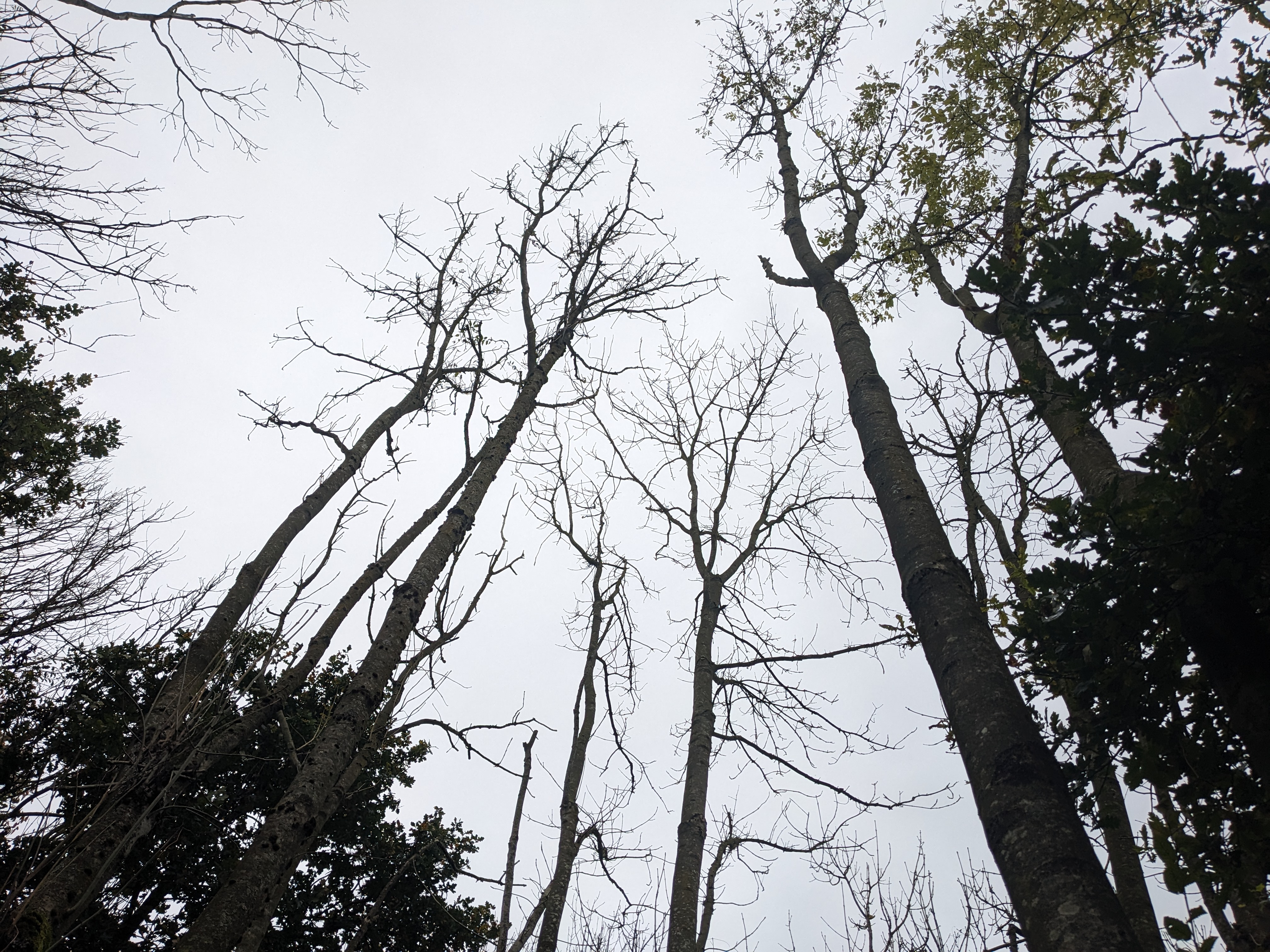
The area we worked on today isn’t the oldest part, where the bluebells are - it’s the adjacent, newer woods. But the cause is the same. On the left, I’m looking up into the hornbeam canopy. On the right is the canopy of the ash trees which have been weakened by ash die back. No prizes for guessing where the brambles are…
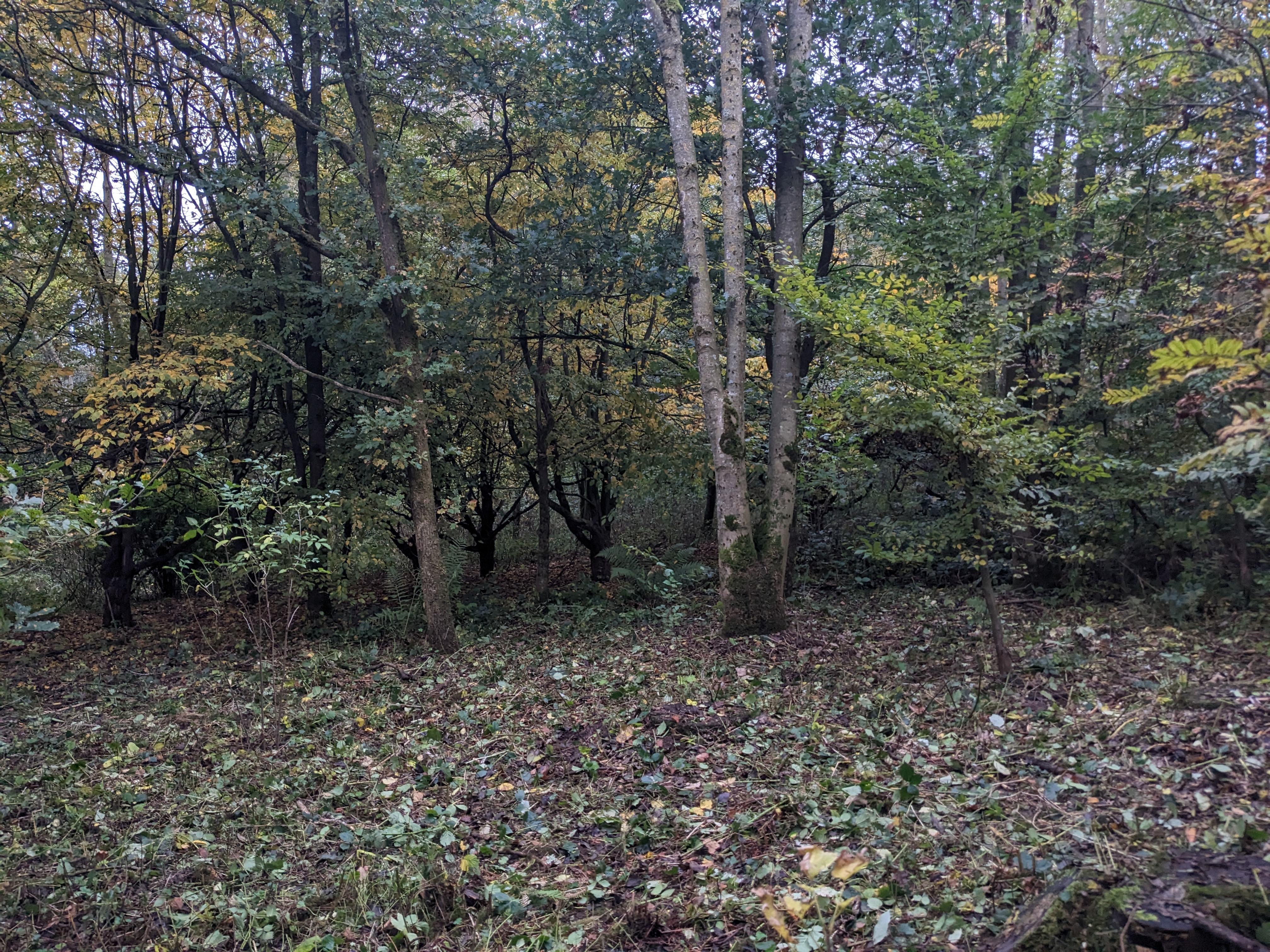
By the end of the day we had cleared the ground under the ash and were rewarded by reaching a clear patch under the hornbeams. Here, it’s easy to pull the few brambles up. They behave in the low light under here as they have always done, lying flat, rooting lightly here and there and moving on.
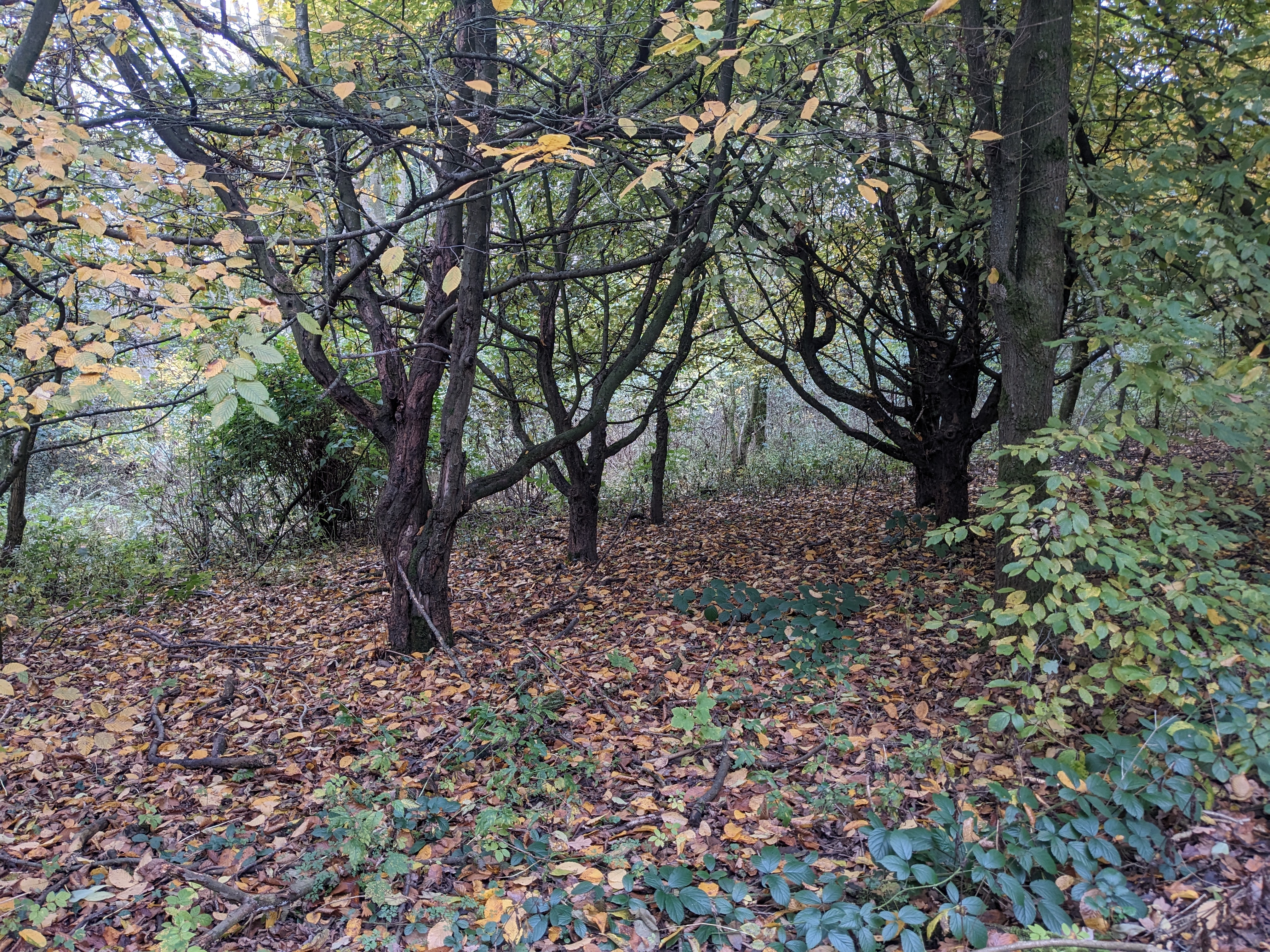
So here’s the plan. We will slash and clear, slash and clear again and again. We’ll pull or dig out smaller brambles where we can.
We’ll buy some young hornbeam and beech to supplement the few seedlings we found. We’ll keep strimming around them until they’re big enough to cast their own shade.
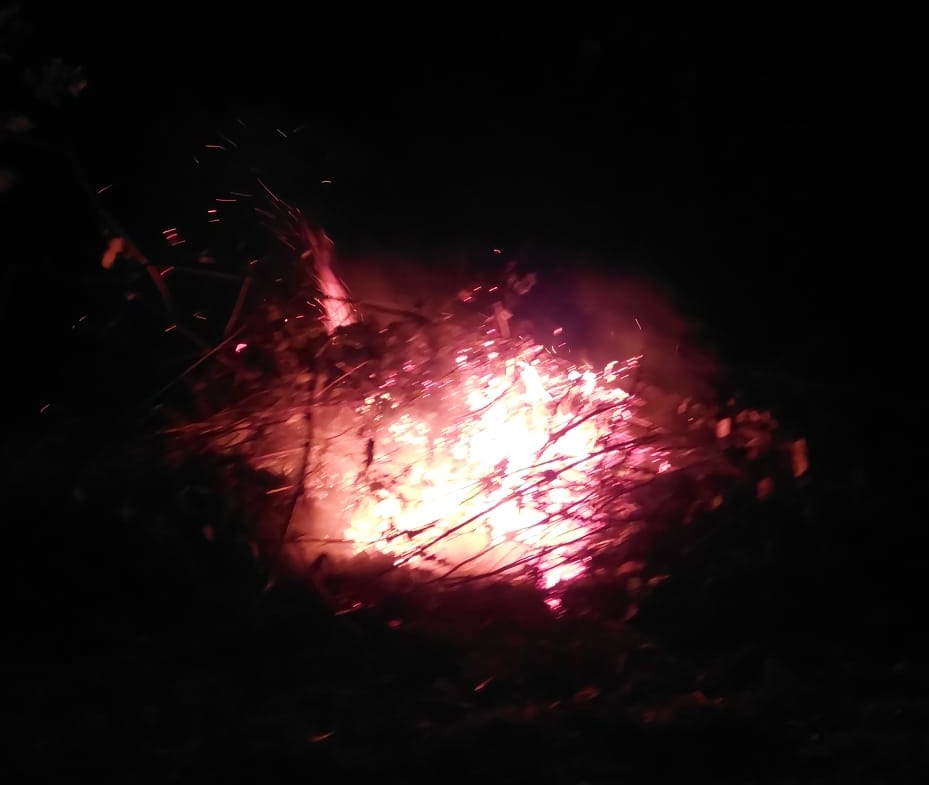
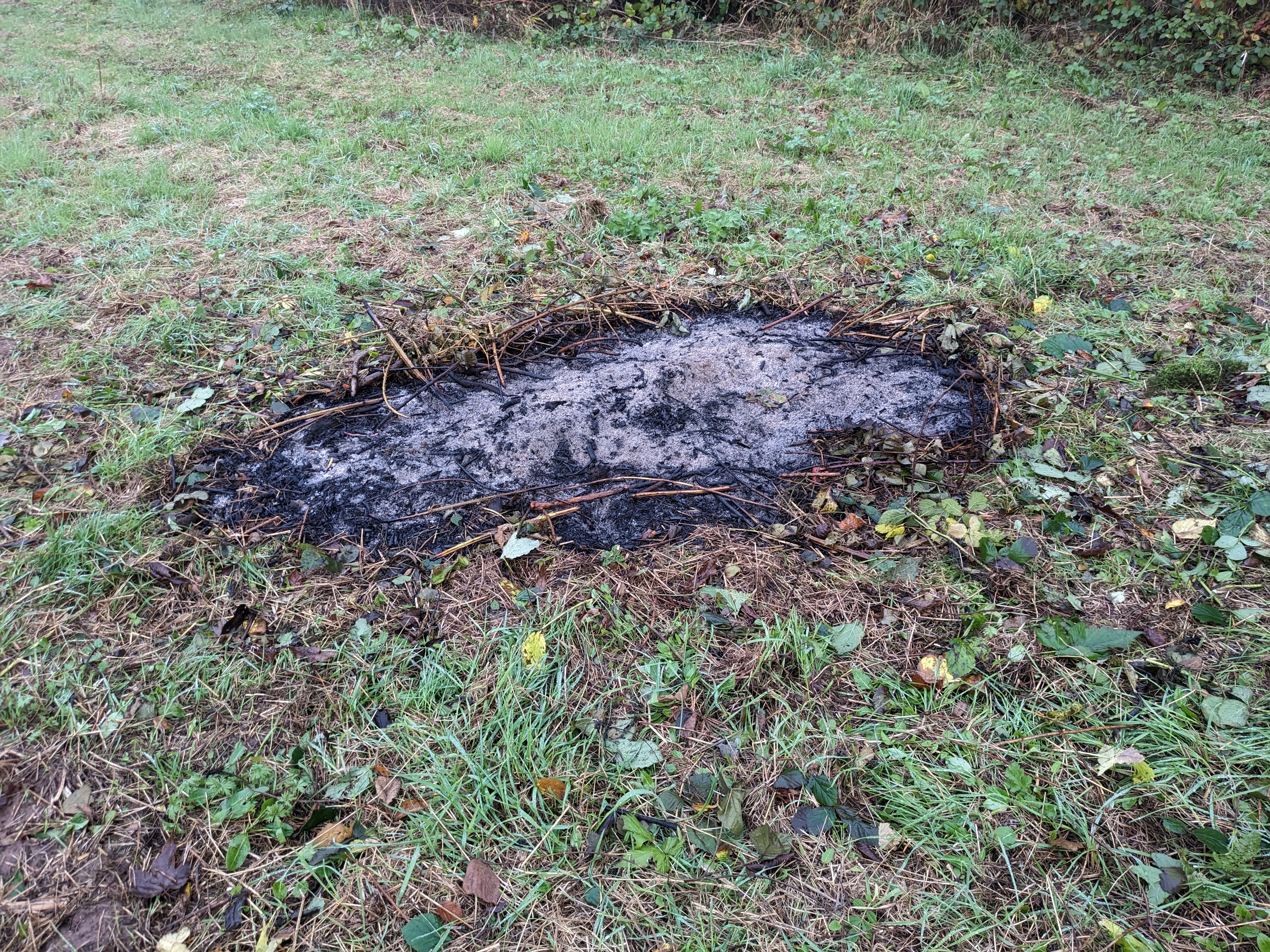
I don’t know if we will succeed. We may have to close the woods for a year to get it done, but we’ll do the best we can. We won the day today and our reward was a fine bonfire of bramble haulings, some over twenty feet long, hissing and spitting in futile defiance. We won today’s skirmish, but the battle is far from over.