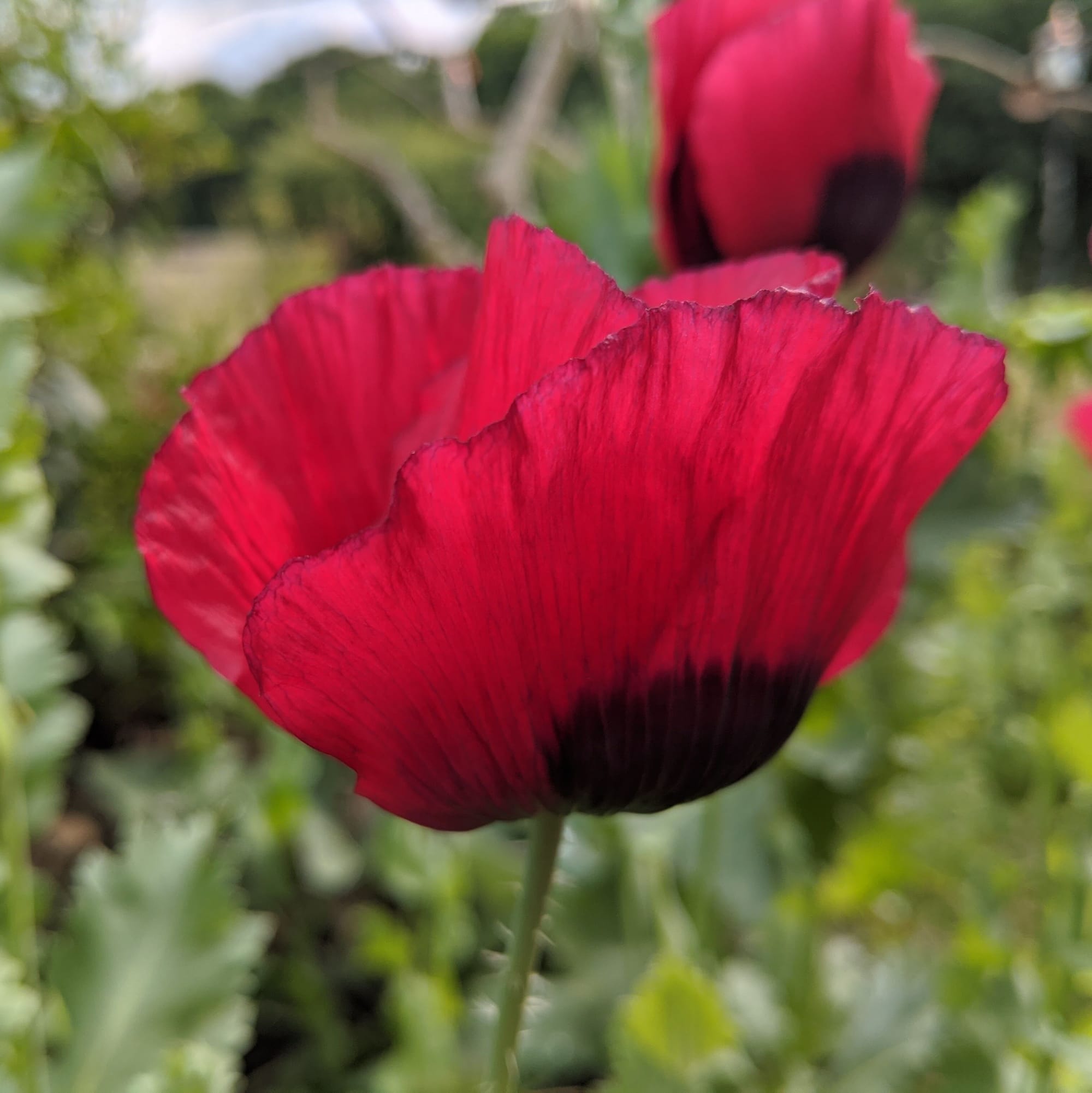
Wait, wait and wait a little longer...
On the joy of not cutting back in autumn.
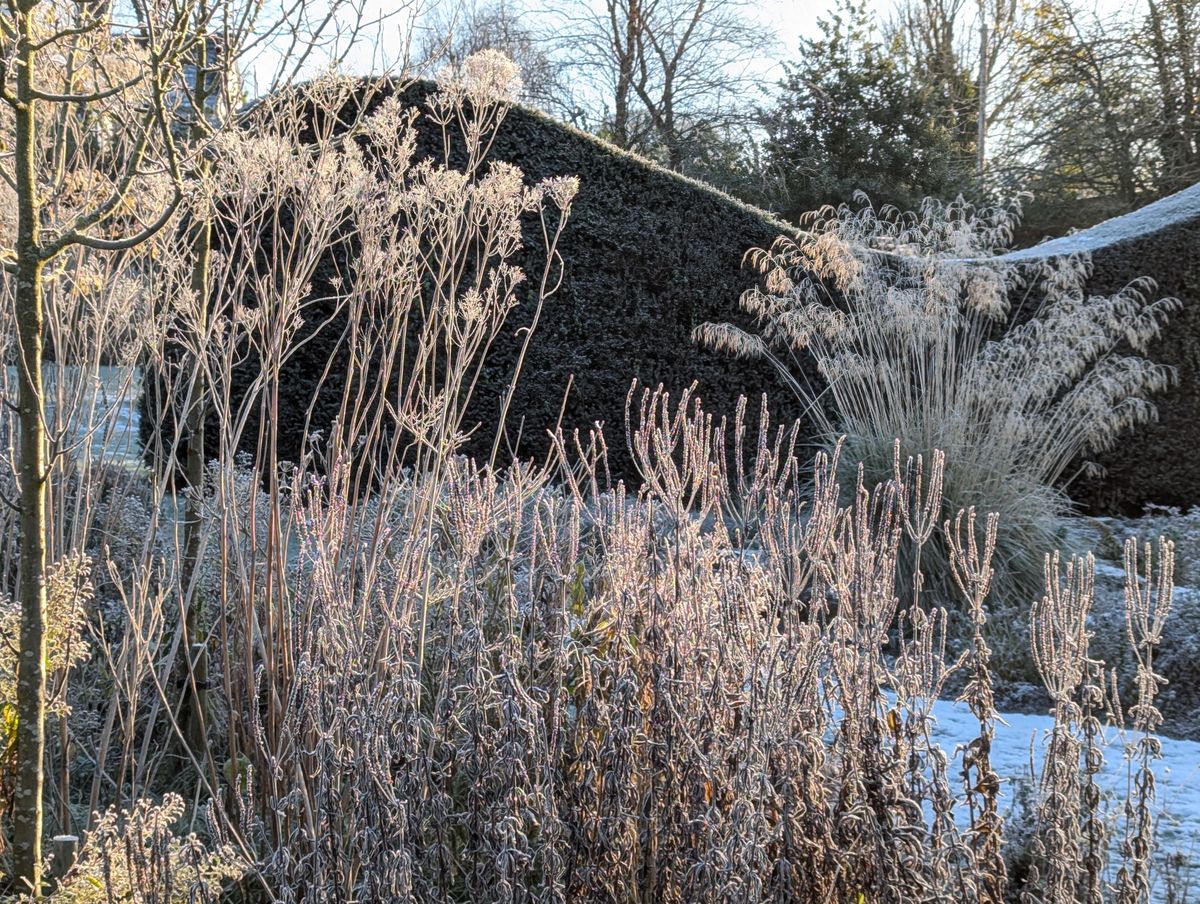
Two weeks ago this part of the garden was a miserable sight. Sodden leaves hung from stems blackened with frost, carpeted underneath with a tangle of collapsed hardy geraniums. It is very tempting, isn’t it, on a fine November day, to roll your sleeves up, rock up with a barrow and a pair of shears, and cut it all down. And doesn’t it look smart afterwards? Neat hummocks of close-trimmed plants with fluffy bare soil in between. So much easier for getting bulbs into and another job ticked off before spring. Tempting though it was, I resisted.
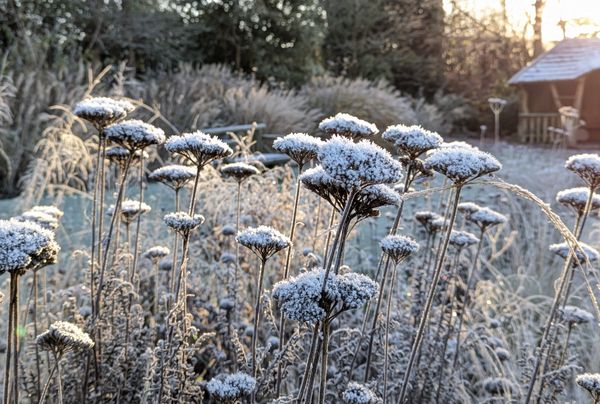
A sharp frost has changed everything and justified my hesitation.
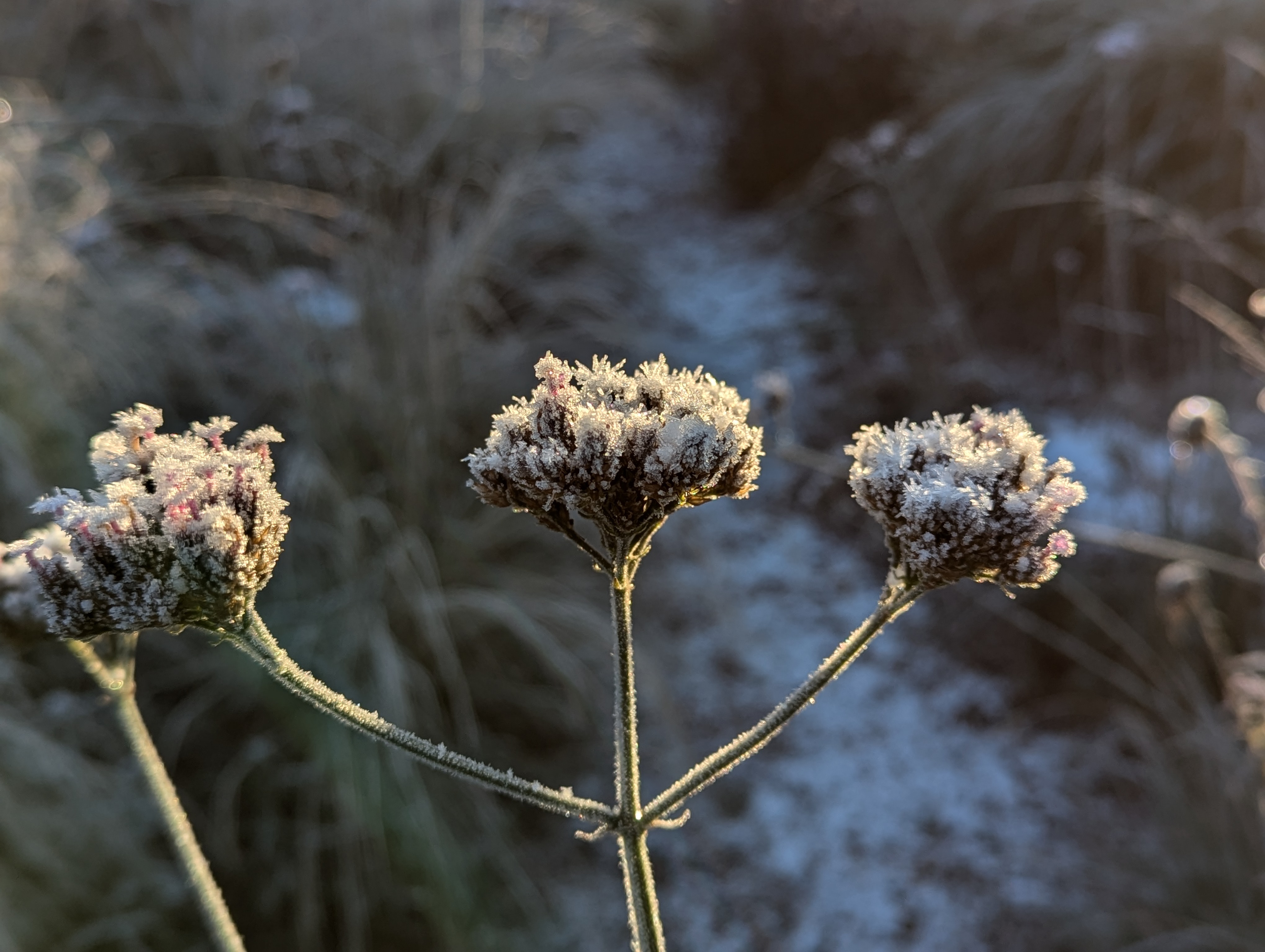
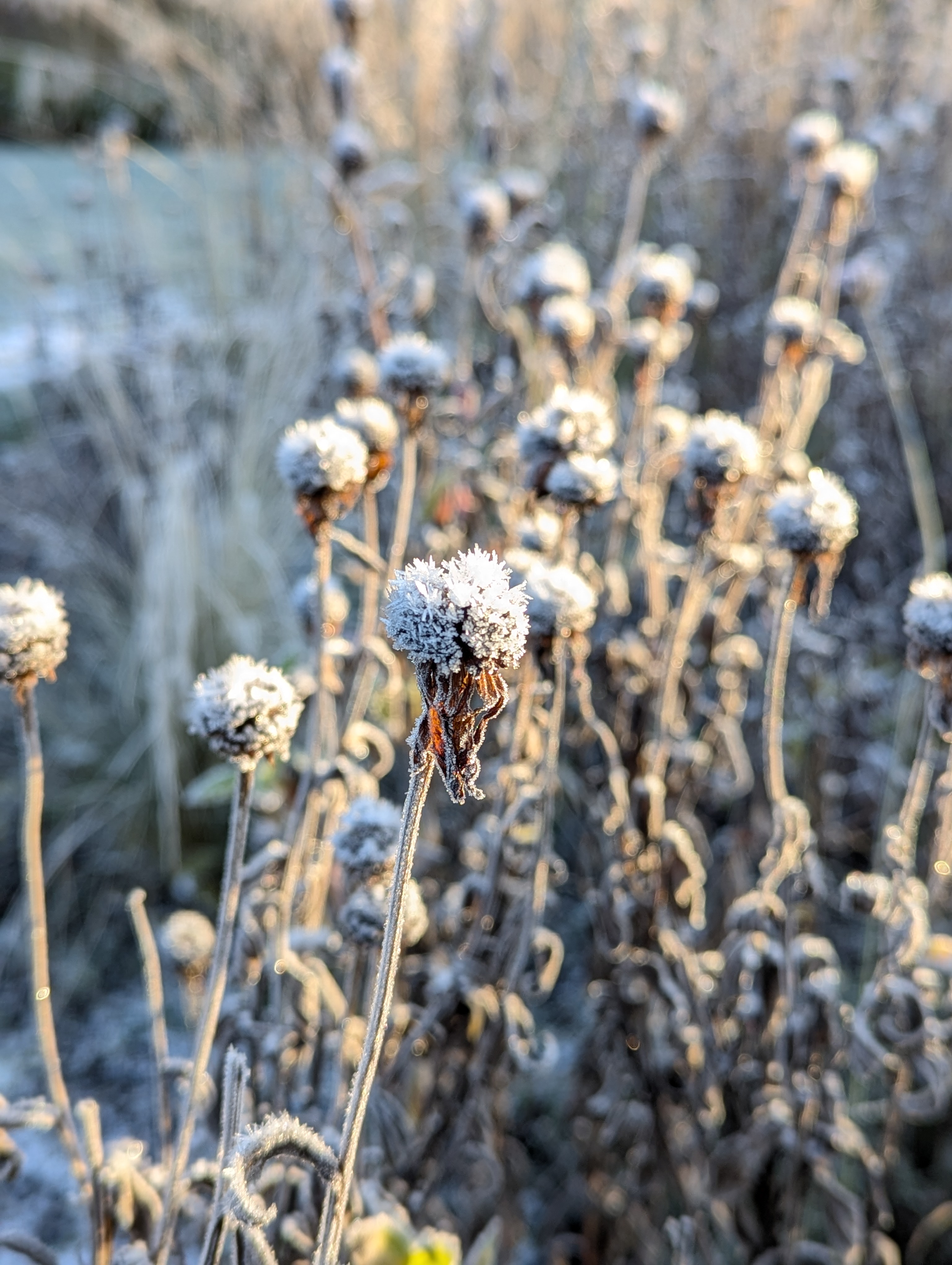
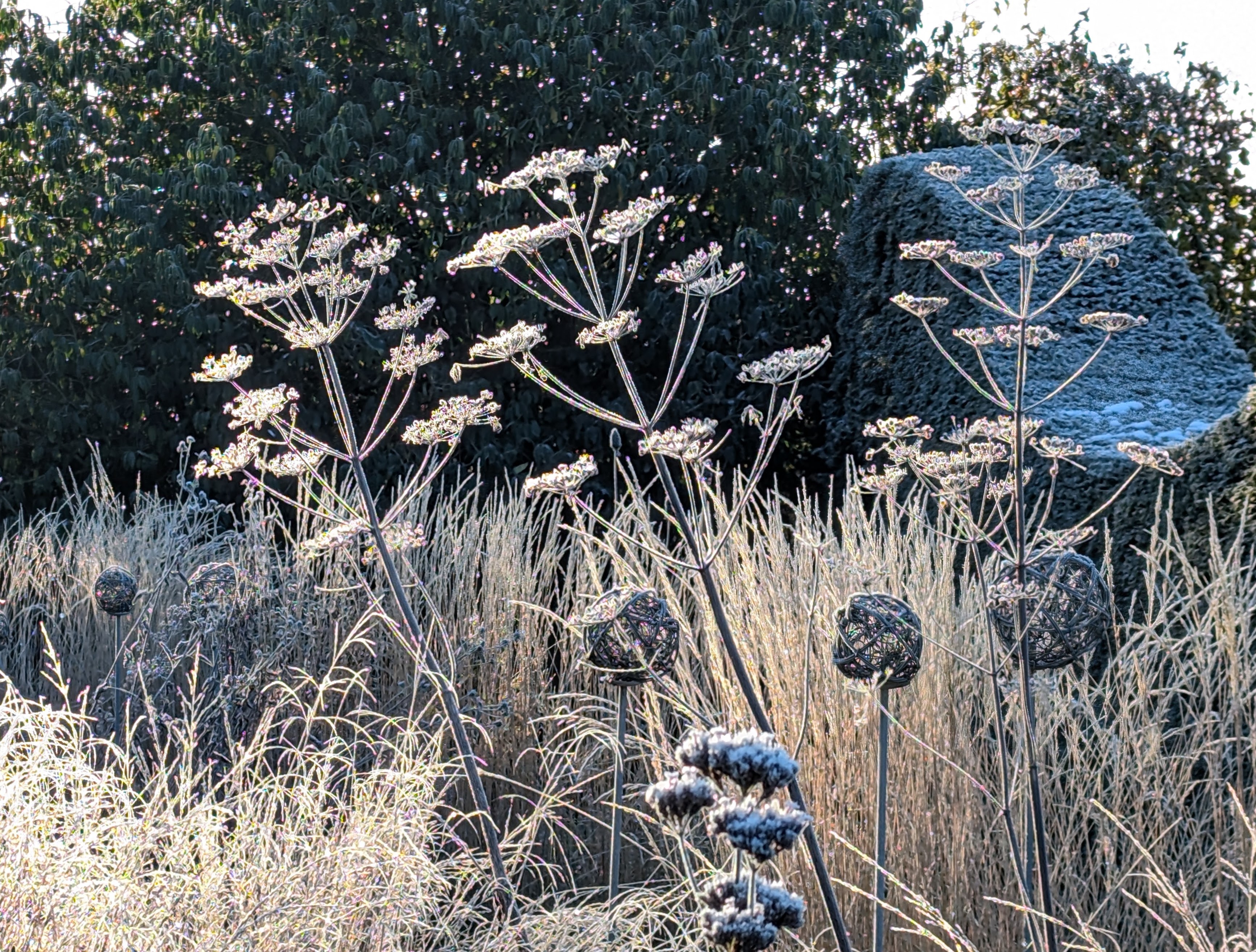
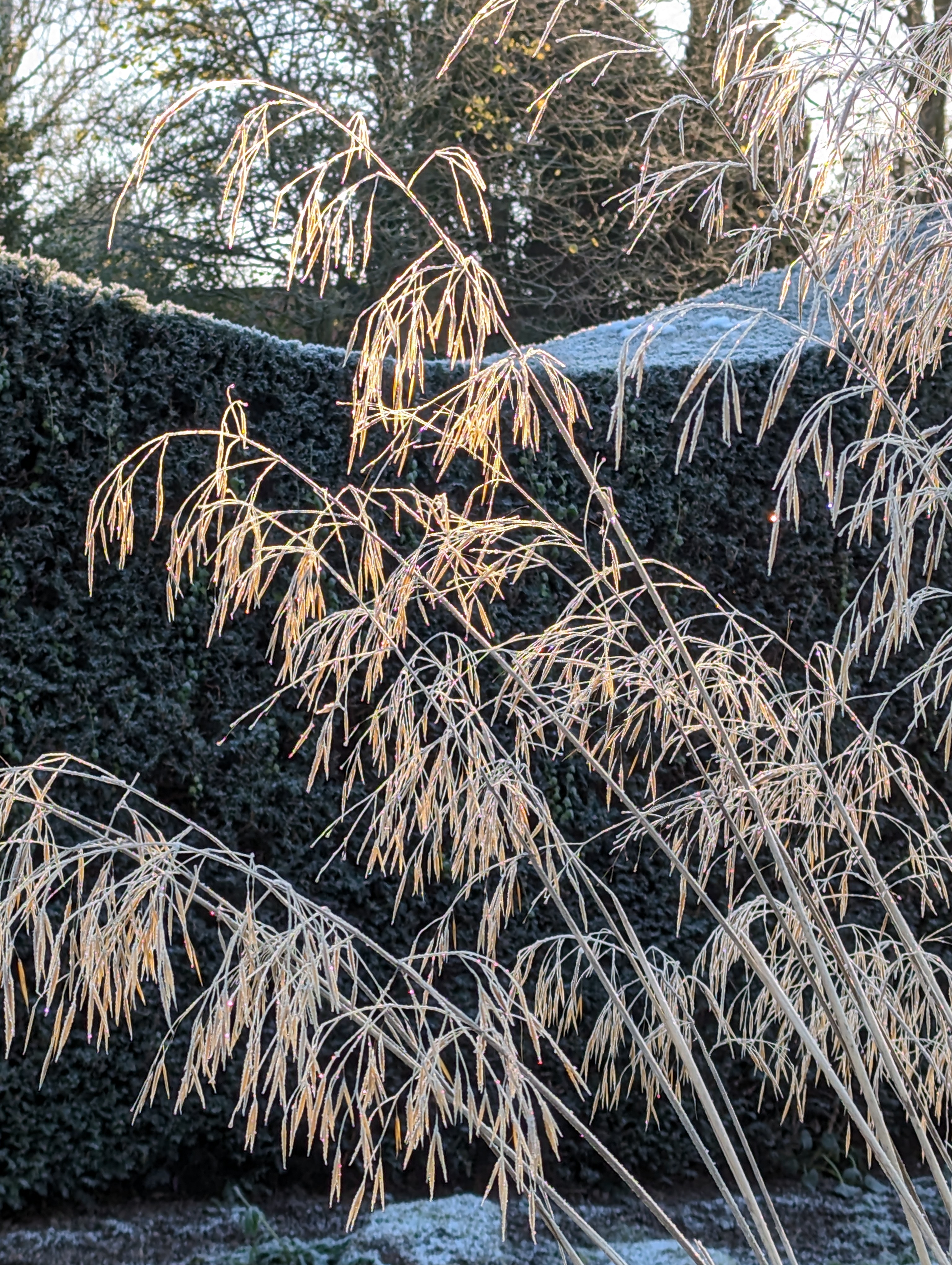
The very best perennials will look beautiful when in flower, and then in winter, stripped of their summer finery, will look just as good standing in their bare bones, rimed in frost.
Some plants handle the seasonal shift much better than others. As the sap dries in the stems, these plants become more rigid, standing upright and firm in the face of hail, snow and frost right through the winter.
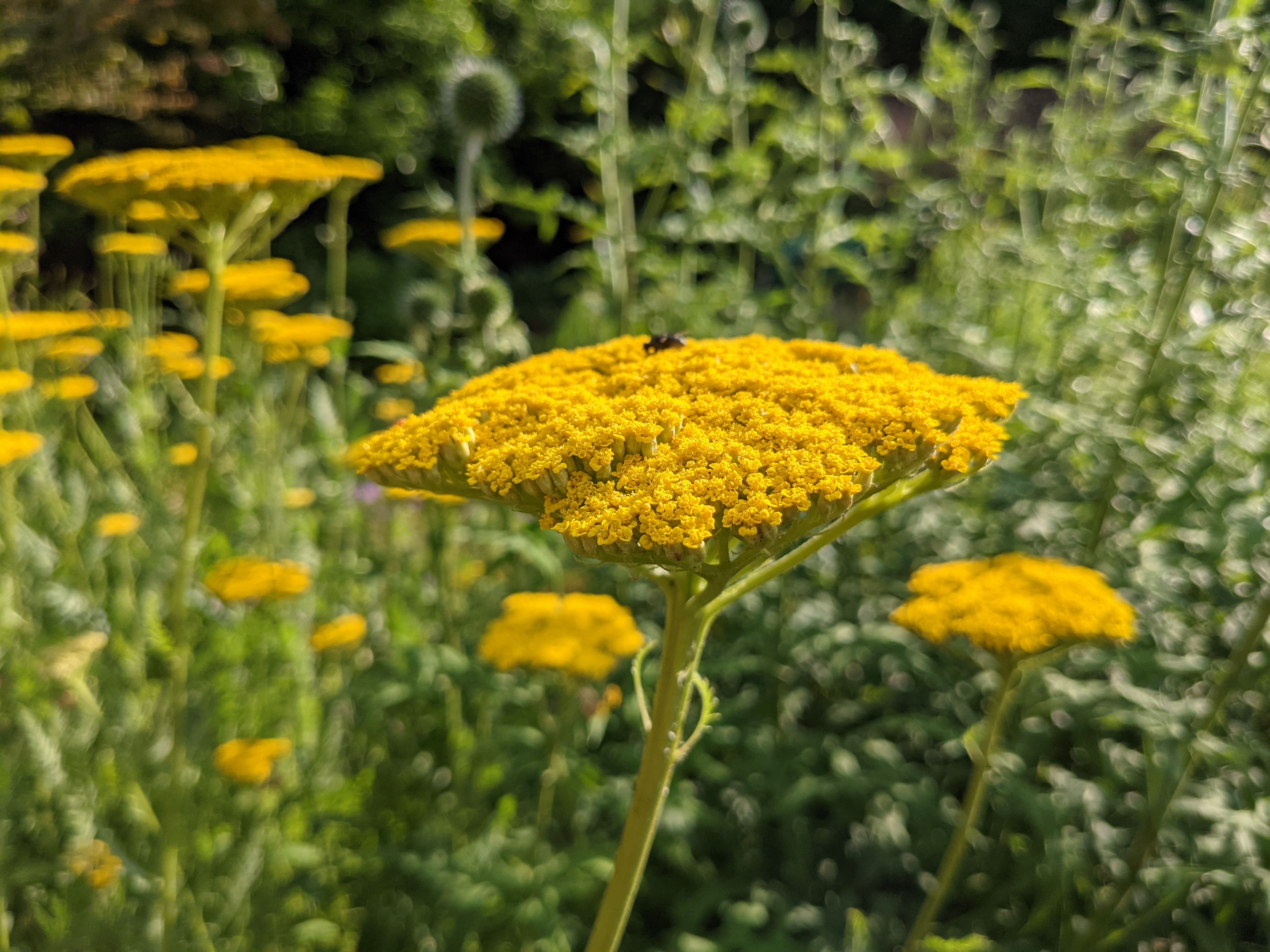
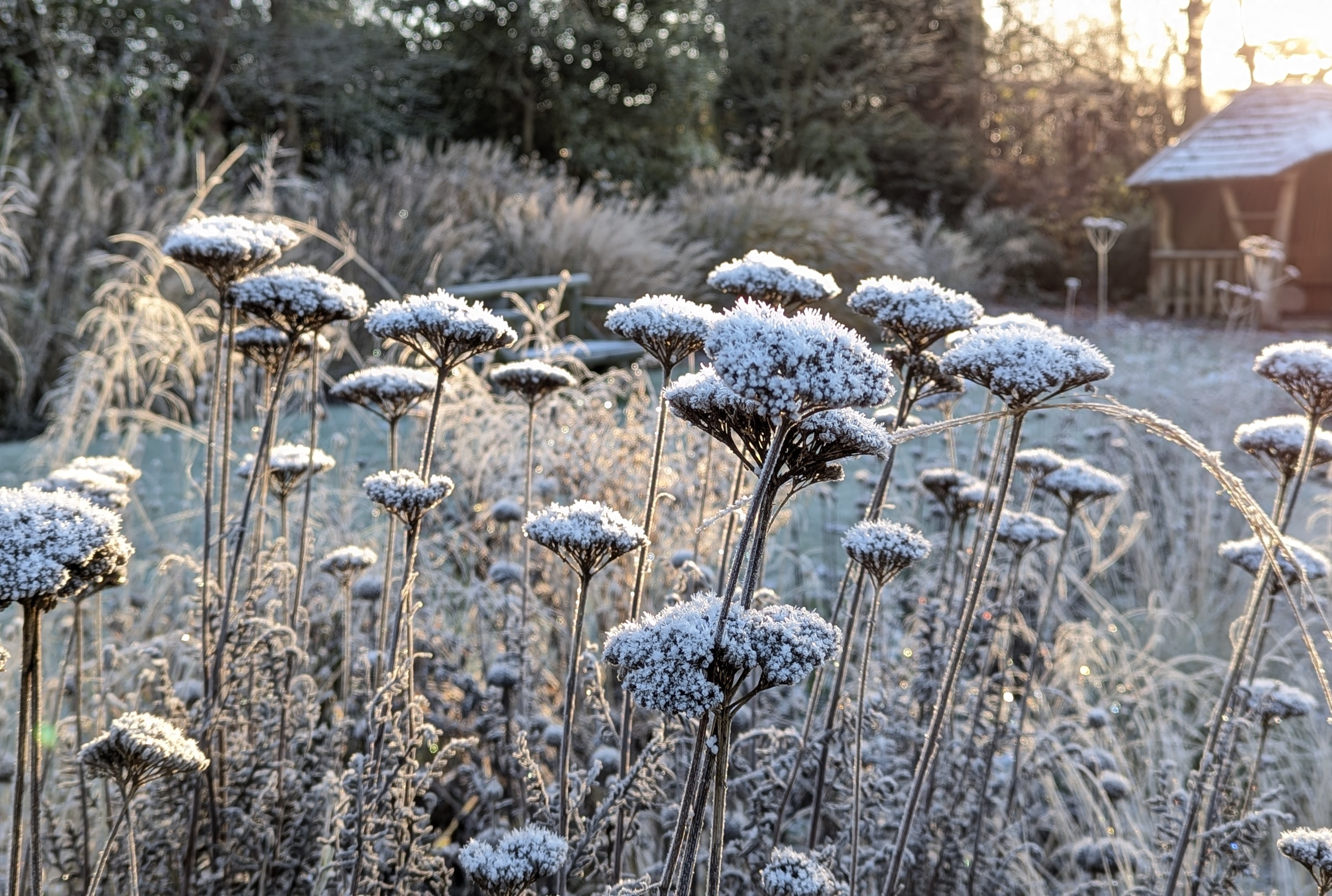
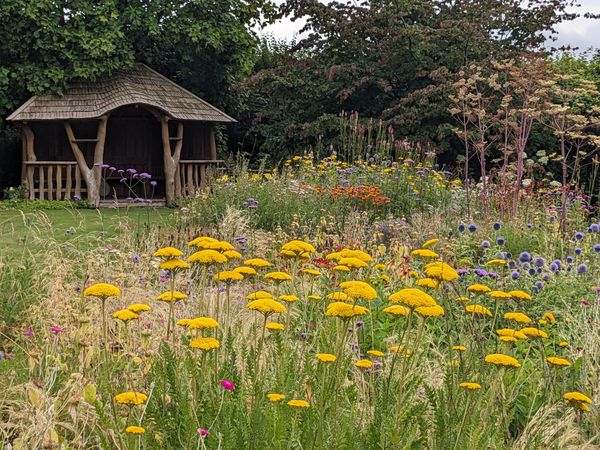
Achillea ‘Gold Plate’ is glorious in July, its flat heads gleaming in the sun and pairing perfectly with the blue globe flower, Echinops ritro. In winter it will stand until February.
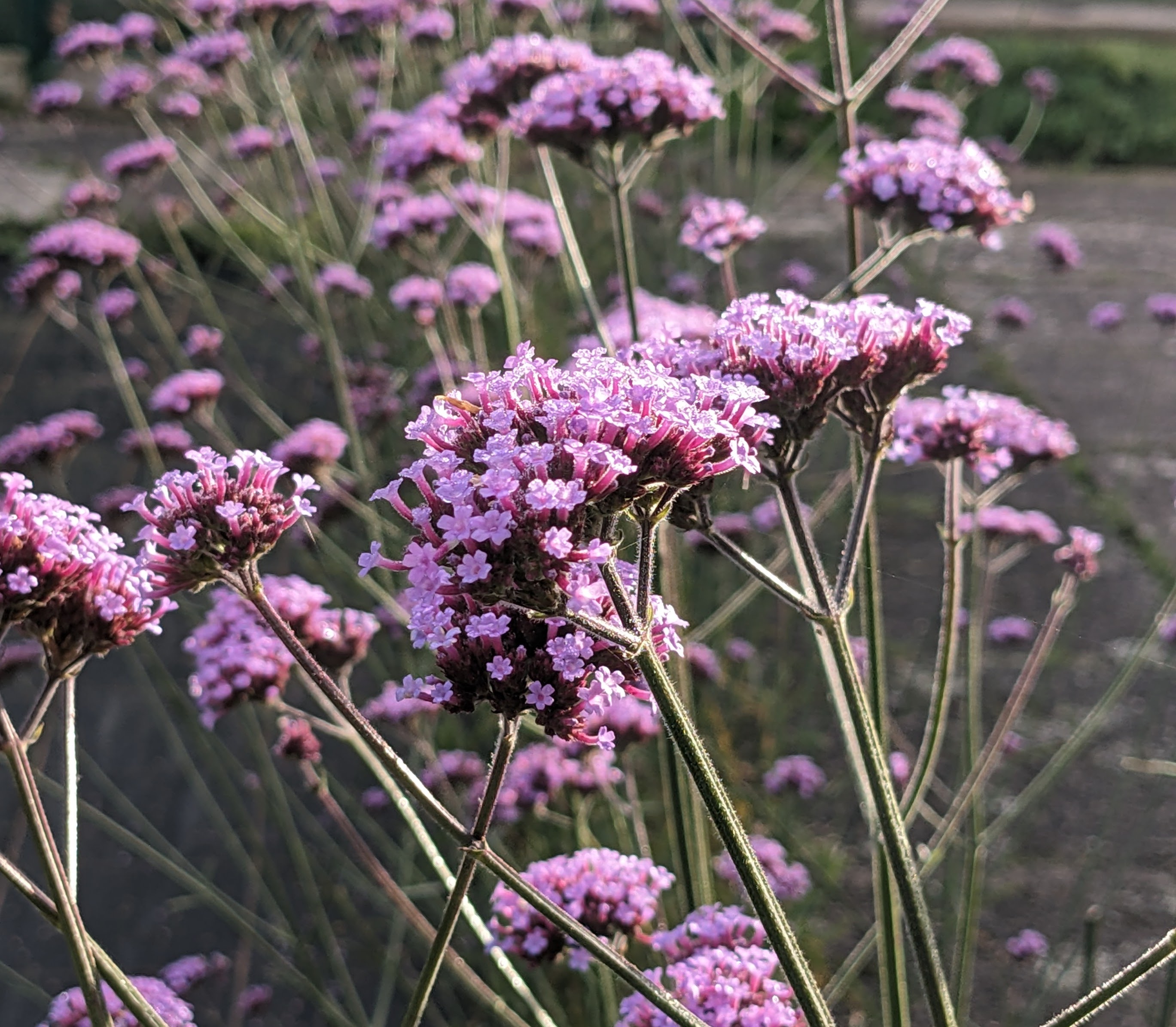
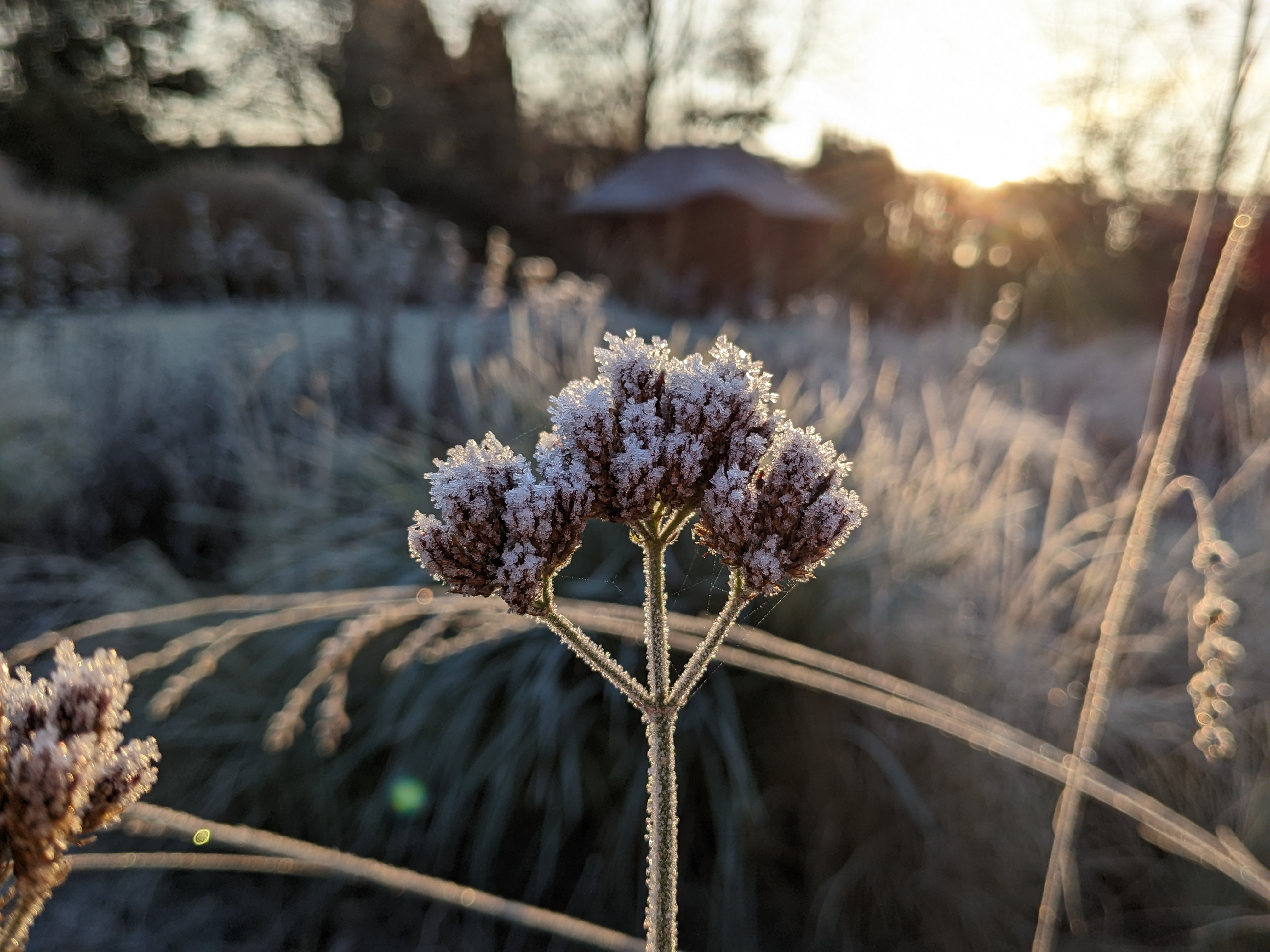
Doyenne of border ‘transparency’, Verbena bonariensis is a delight in late summer and a joy in winter. Ladybirds tuck themselves in amongst the tight-knit seed heads too. Wait until there is no sign of purple to cut a few heads for seed for next year. But leave the best placed ones to bring you joy in a frosty spell.
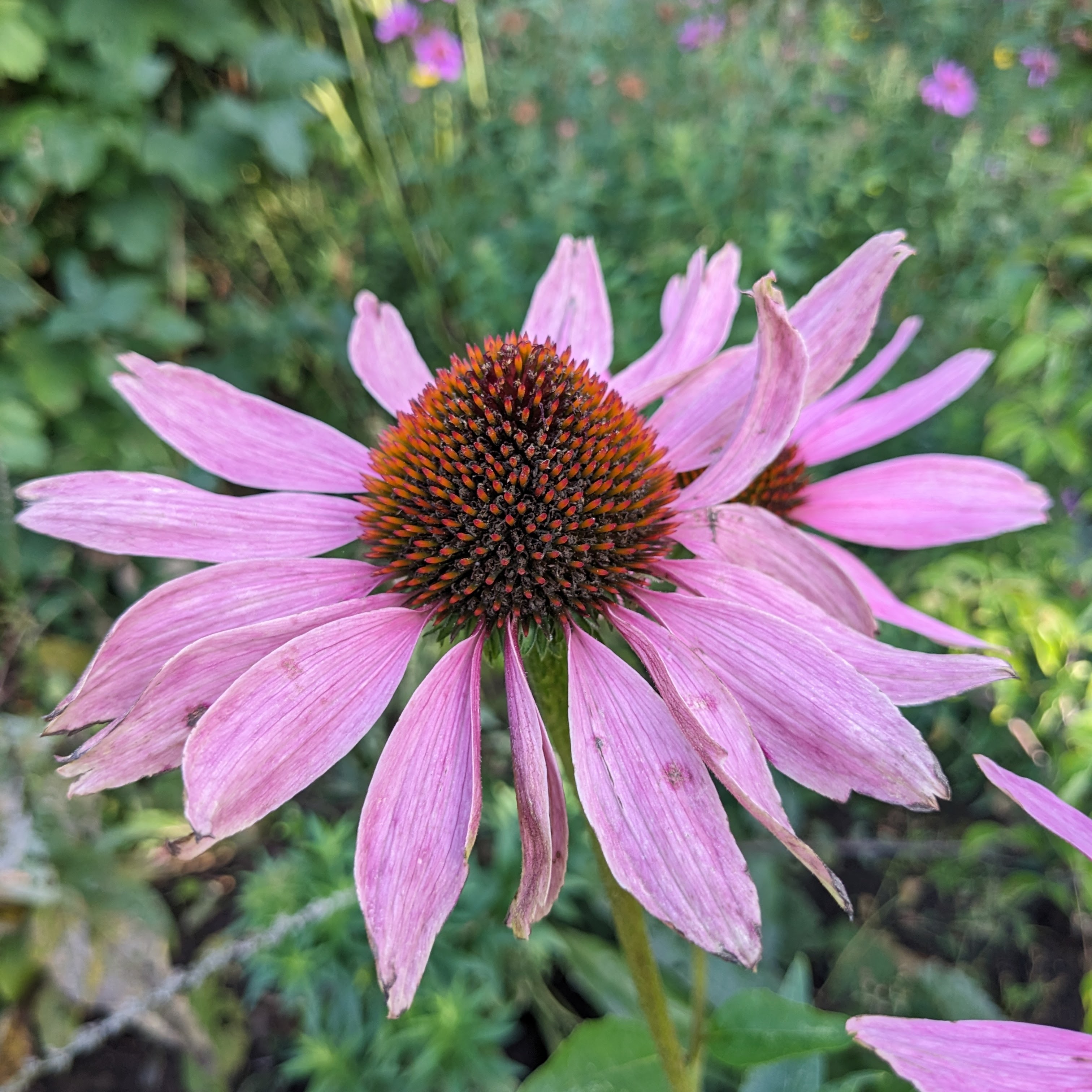
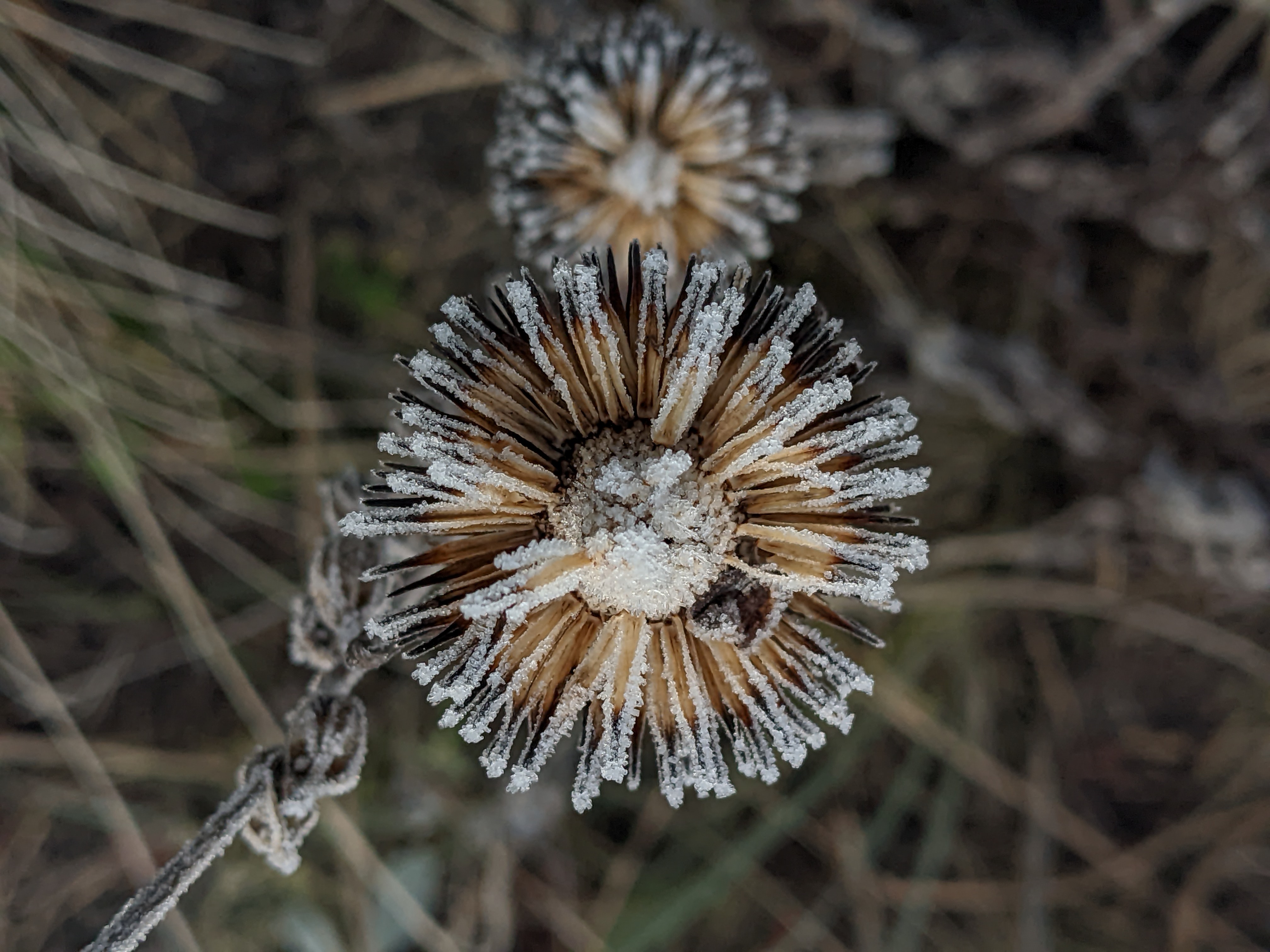
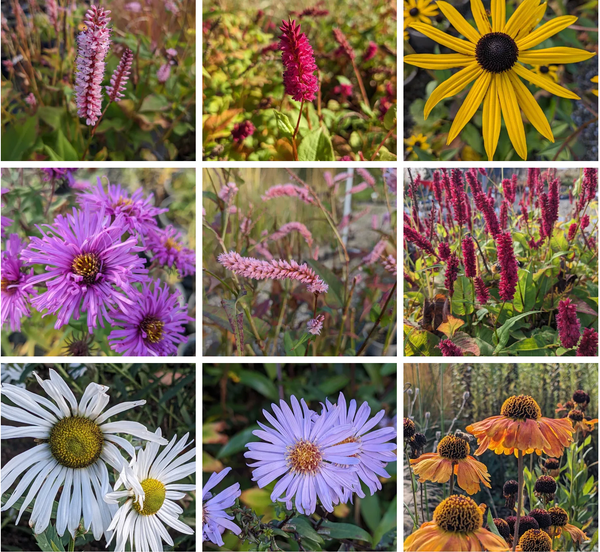
The single pink Echinaceas with big central cones are the the easiest to grow, thriving in lighter soils and full sun. Sometimes the cones just rot in a wet autumn, but they will often dry very pleasingly, leaving a ‘tutu’ of dried flowers.
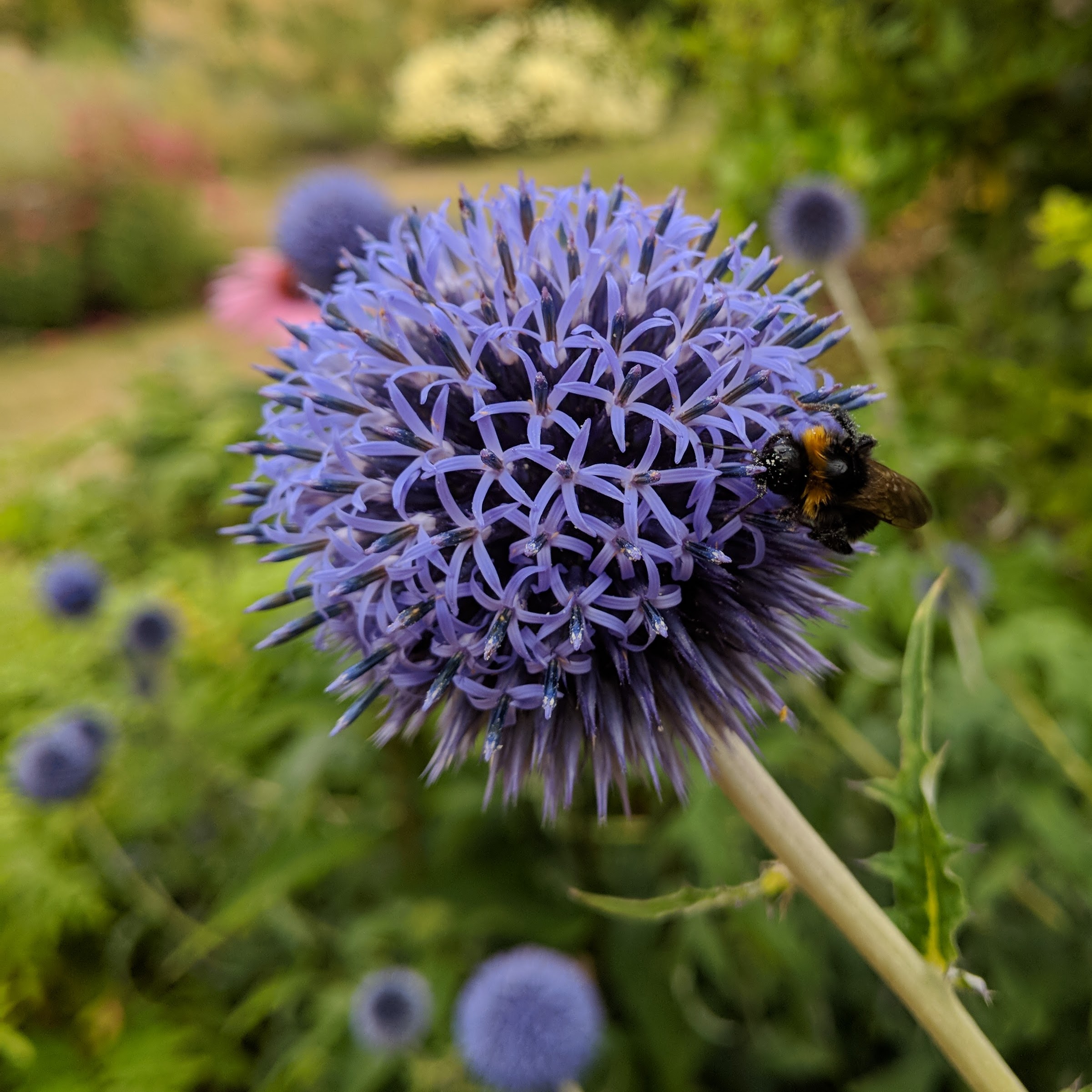
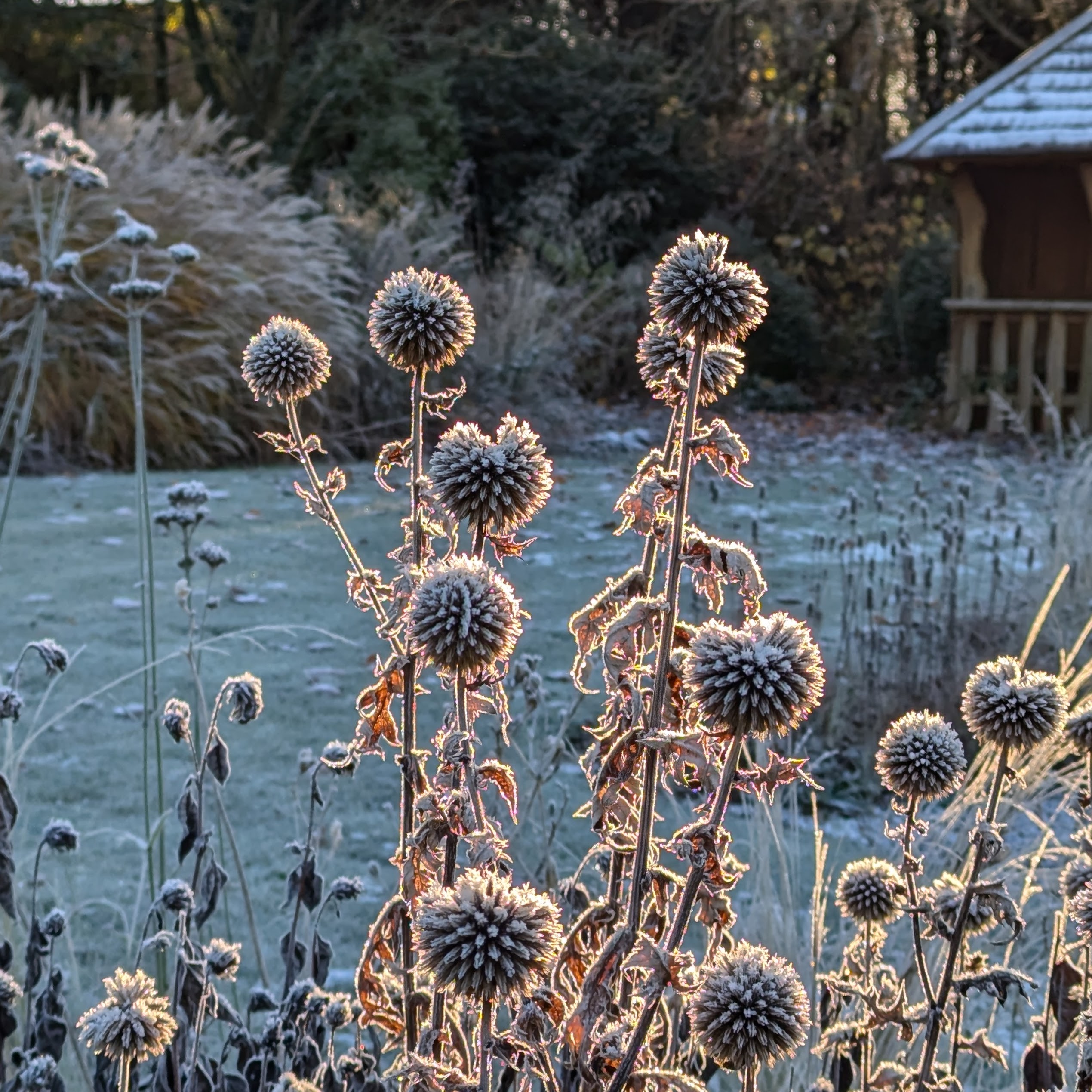
Echinops is such a great plant for adding height and drama to a border. Adored by bees in July, it’s spectacular in winter too.
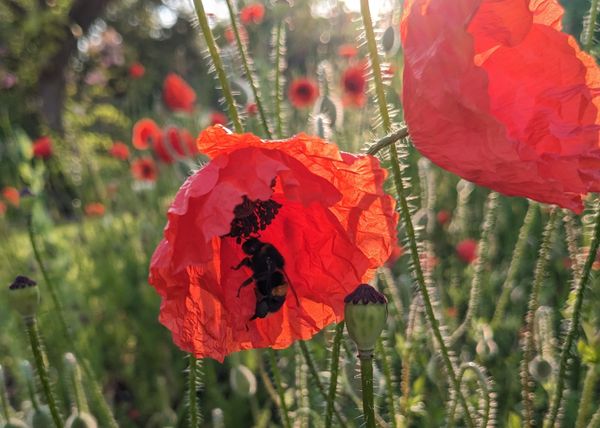
I’ve focussed here on the aesthetics, but it’s obviously better for the wildlife in your garden to leave things alone for a few weeks. Seedheads will provide food for birds, and a refuge for ladybirds and overwintering cocoons. Taller vegetation above protects the soil below from freezing solid, giving a little protection to beetles and ground nesting bees. Robins and blackbirds will turn over dead leaves and riffle in fallen foliage for grubs and slug eggs, feeding them and keeping pests at bay.
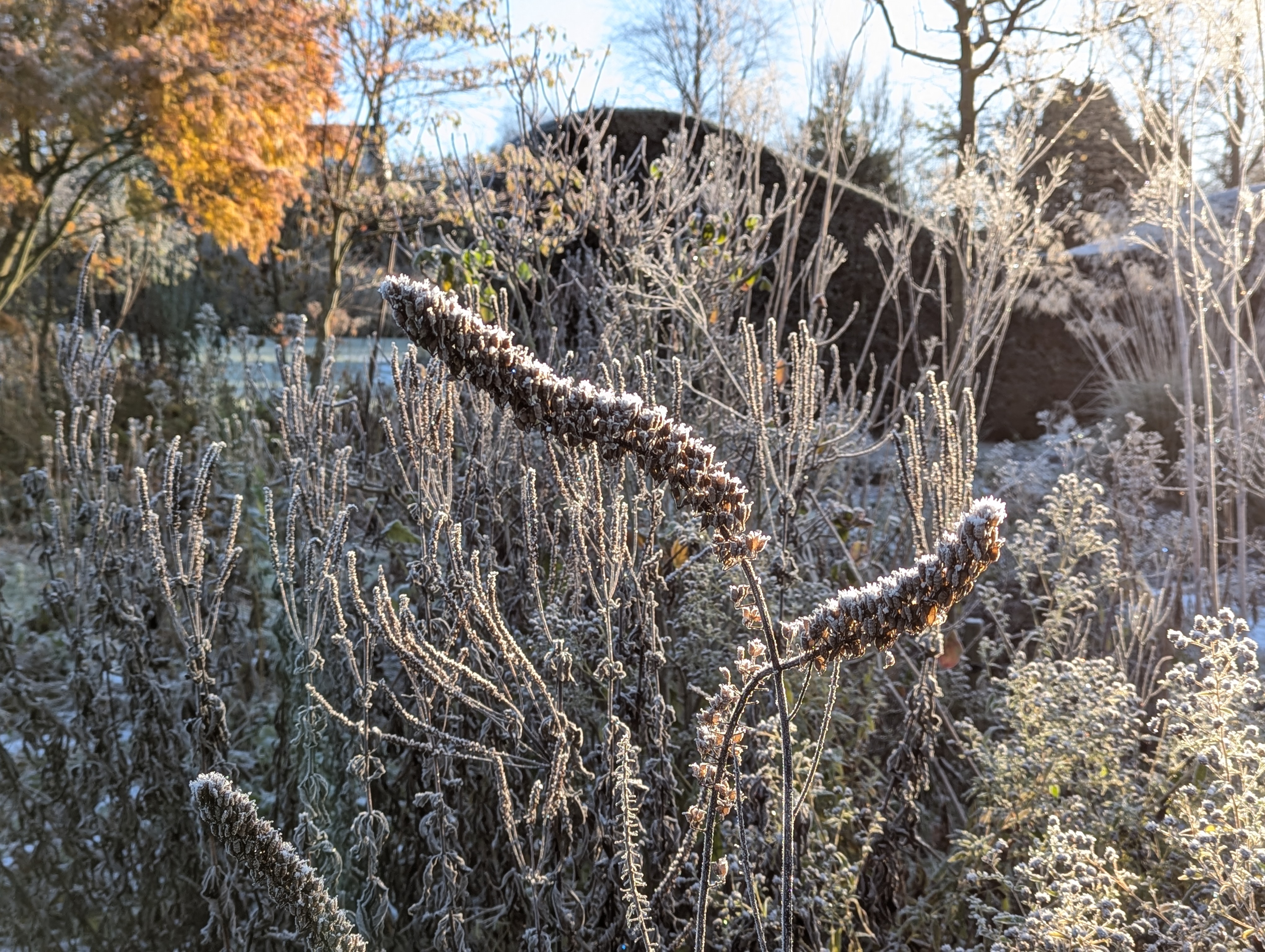
We don’t leave everything standing until spring. Some plants dissolve into slimy mush and others snap off in the first autumn gale. We tidy these away when it’s plainly the best thing to do. And there may be areas that we want to renovate, so we clear these out in any good weather window.
But otherwise we leave well alone until the first week of February. If this all sounds to you as if we’re leaving major jobs until the very last minute, remember that in November plants are still heavy with sap. By February all that is left is a dry, lightweight husk. The job takes half the time then and is much easier on the back.
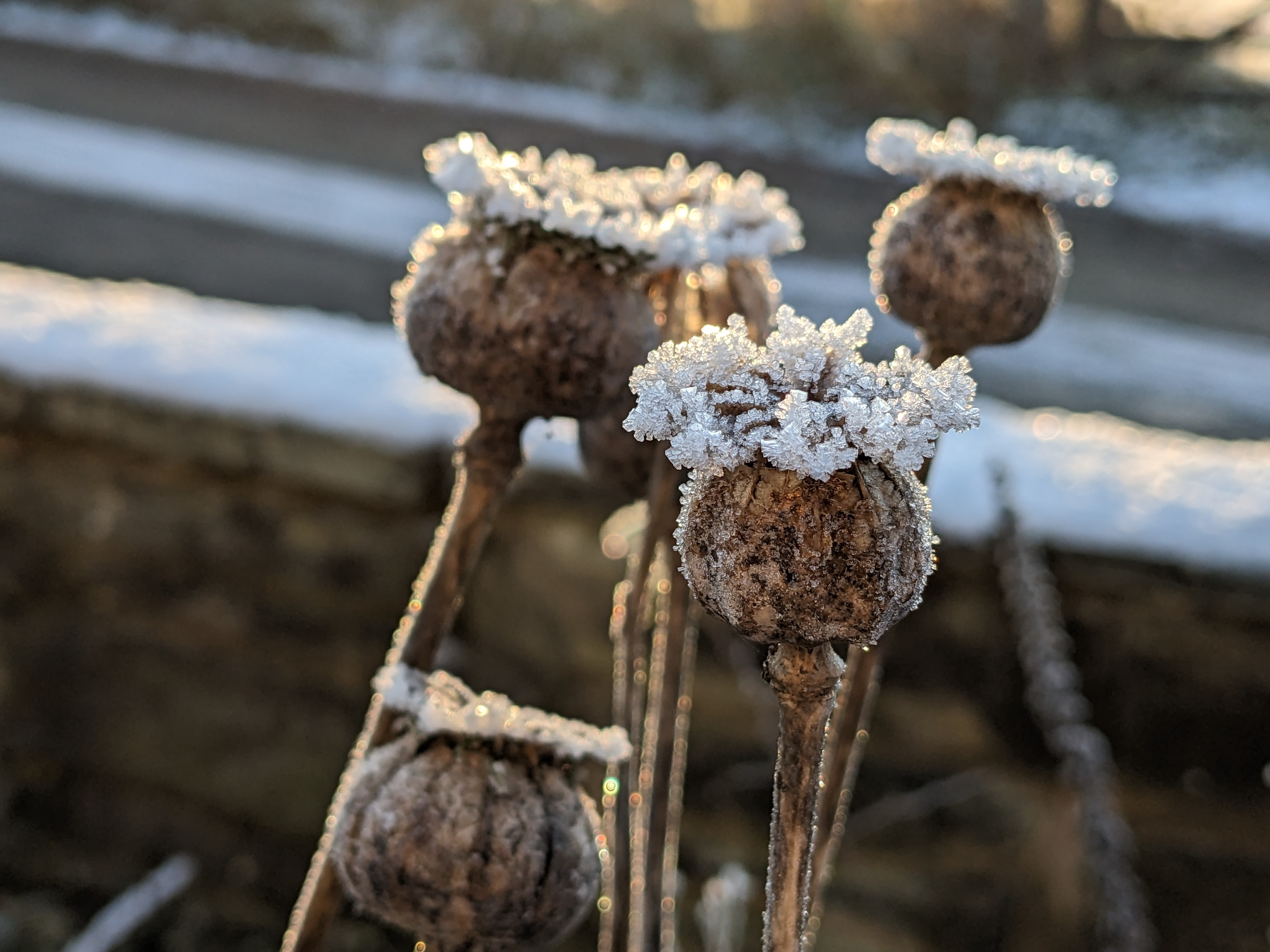
The old advice was to remove all foliage from the soil and compost or burn it, allowing the frost in to open up the soil and kill off pests and diseases. I can’t say that advice is wrong. But I think that managing a garden more lightly, allowing a balance to develop between pests and prey makes for a healthier garden in the long run.